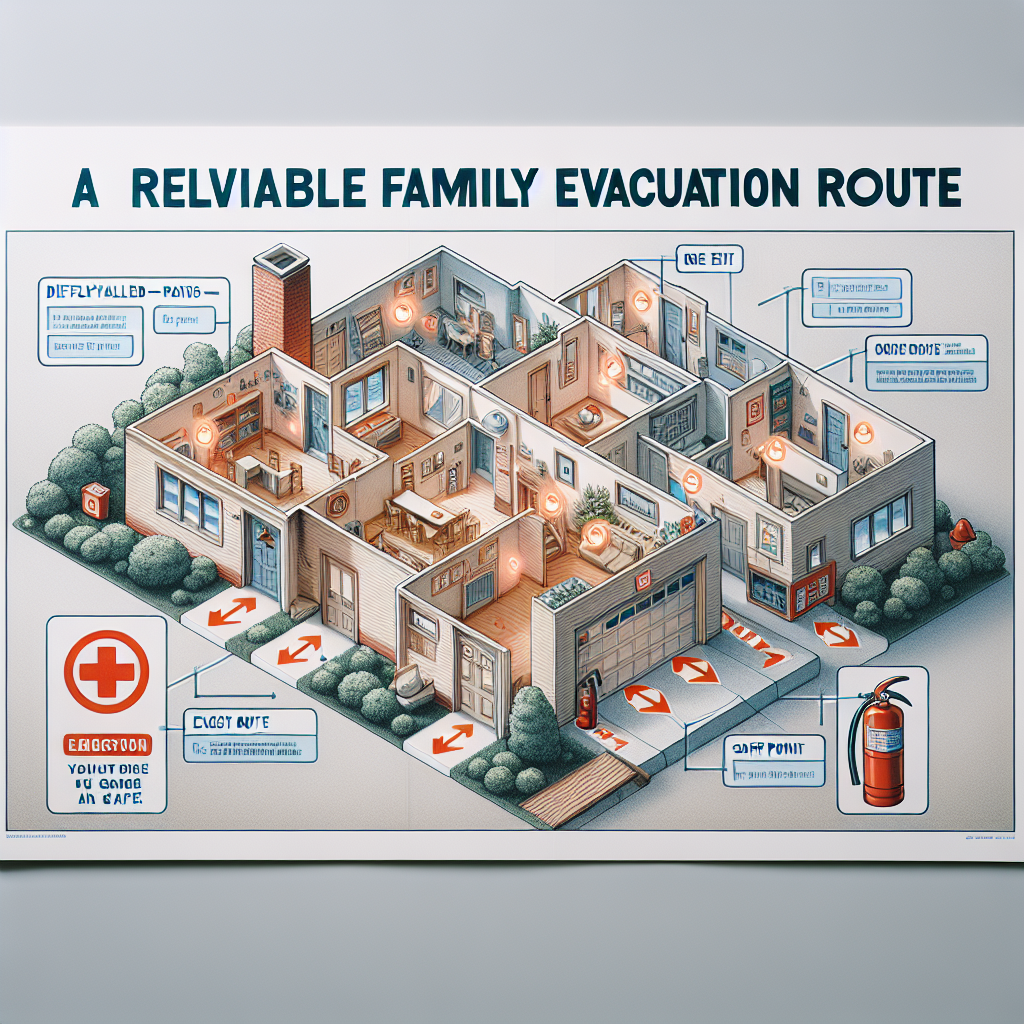
Preparing for winter storms and potential power outages requires proactive measures to ensure safety and comfort. Key strategies include assembling an emergency kit, developing a family communication plan, and considering alternative heating options.
Common pitfalls include underestimating the severity of storms and neglecting to prepare adequately. Households often fail to stock essential supplies or overlook the importance of maintaining communication. It’s crucial to recognize that power outages can last for days, making thorough preparedness vital. Prioritizing reliable heating sources, food, and water is essential for safety during extended outages.
Building an Emergency Kit
An effective emergency kit is the cornerstone of winter storm preparedness. Essential items include non-perishable food, bottled water, flashlights, batteries, blankets, and a first aid kit. It’s advisable to prepare enough supplies to last at least three days for each household member.
Many people overlook the necessity of regularly updating their kits. Check expiration dates on food and batteries periodically, and adjust the kit according to seasonal needs. Don’t forget to include medications, pet supplies, and any necessary personal items. Having a well-stocked emergency kit ensures you are ready for any duration of power outage.
Communication Plans
Establishing a communication plan is vital for ensuring family members can stay in touch during severe weather events. This includes designating a meeting point and ensuring everyone knows how to reach each other if separated.
Common mistakes include failing to discuss the plan or not practicing it. Ensure all family members understand the communication methods, whether through cell phones, texts, or landlines. Consider local emergency numbers and have a backup plan in case cell service is down. Regularly reviewing and practicing these plans can save lives in emergencies.
Heating Alternatives
During power outages, maintaining warmth is critical, especially in winter. Explore various heating alternatives, such as wood stoves, propane heaters, or fireplaces, ensuring they are safe for indoor use.
A significant mistake is using unsafe heating methods, such as charcoal grills or gas stoves indoors, which can lead to carbon monoxide poisoning. Always have a functioning carbon monoxide detector and ensure proper ventilation when using alternative heating sources. Prioritize safety and have a plan for maintaining warmth without electricity.

Staying Informed
Staying updated on weather conditions is essential for effective winter storm preparedness. Utilize weather apps, local news, and emergency alert systems to receive timely information about storms and potential outages.
Get Preparedness and Self-Reliance Tips. Subscribe Now!
Many people rely solely on one source for updates, which can be risky. Diversifying your information sources can provide a more comprehensive picture. Have a battery-powered radio as a backup to ensure you stay informed even when the power is out. Being aware of the forecast allows for better planning and response during winter storms.
Further Reading
Authoritative Sources
- Winter Weather Preparedness
ready.govThis resource provides comprehensive guidelines for preparing for winter weather, including checklists and safety tips
- Red Cross Winter Storm Safety
redcross.orgOffers insights on winter storm safety and outlines necessary preparations for households
Frequently Asked Questions
What should I include in my emergency kit for winter storms?
Your emergency kit should include non-perishable food, water, flashlights, batteries, a first aid kit, medications, and blankets.
How can I keep warm during a power outage?
Use safe heating alternatives like wood stoves, propane heaters, or fireplaces, ensuring proper ventilation to avoid carbon monoxide buildup.
What is a good communication plan for my family during a winter storm?
Establish a meeting point and ensure all family members know how to contact each other through different methods, including cell phones and landlines.
How often should I check my emergency kit?
Regularly check your emergency kit every six months to ensure all items are up-to-date and replace expired items as necessary.
What should I do if I lose power during a winter storm?
Stay indoors, use safe heating methods, keep your emergency kit accessible, and stay informed through battery-powered devices or radios.
Conclusion
Preparing for winter storms and potential power outages is essential for maintaining safety and comfort in your home. Focus on building a comprehensive emergency kit, establishing a clear communication plan, and exploring safe heating alternatives. By remaining informed and proactive, you can effectively mitigate the risks associated with winter weather, ensuring your household is ready for whatever challenges may arise.
Get Preparedness and Self-Reliance Tips. Subscribe Now!
Related Content

Dehydrated Spinach Flakes Emergency Food Supply, 45 Servings, 25 Year Shelf Life, 15 Calories per Serving - Dehydrated Meals, Survival Food Camping Essentials Can
$14.28 (as of March 26, 2026 23:32 GMT -04:00 - More infoProduct prices and availability are accurate as of the date/time indicated and are subject to change. Any price and availability information displayed on [relevant Amazon Site(s), as applicable] at the time of purchase will apply to the purchase of this product.)
Ready Hour Beans Trio with Rice Kit Bucket (100 Servings) Survival Beans and Rice, Survival Food Storage, Emergency Preparedness Food, Prepper, Easy Prep, 30-Year Shelf Life
$64.95 (as of March 26, 2026 23:32 GMT -04:00 - More infoProduct prices and availability are accurate as of the date/time indicated and are subject to change. Any price and availability information displayed on [relevant Amazon Site(s), as applicable] at the time of purchase will apply to the purchase of this product.)
AquaPodKit Made in USA - Emergency Bathtub Water Storage Bladder 65-100 Gallon Capacity - BPA Free- Food Grade Materials - Hurricane Disaster Preparedness Supply - Family Survival Supply (Bag)
$32.95 (as of March 26, 2026 23:32 GMT -04:00 - More infoProduct prices and availability are accurate as of the date/time indicated and are subject to change. Any price and availability information displayed on [relevant Amazon Site(s), as applicable] at the time of purchase will apply to the purchase of this product.)
2026 Inspection U.S. Military Surplus MREs A and B Case – 2 Cases of 12 each Meals ready Eat | Genuine Military Rations with Flameless Heaters | Long Shelf-Life Emergency Food Supply
$96.95 (as of March 26, 2026 23:32 GMT -04:00 - More infoProduct prices and availability are accurate as of the date/time indicated and are subject to change. Any price and availability information displayed on [relevant Amazon Site(s), as applicable] at the time of purchase will apply to the purchase of this product.)