Most disaster preparedness kits fail when needed due to a lack of proper planning, inadequate knowledge of personal needs, and poor maintenance. Many individuals overlook essential items, neglect to customize kits for specific situations, or fail to update supplies regularly, leading to ineffective responses during emergencies.
Understanding the limitations of standard kits is crucial. Many pre-packaged kits are designed for generic situations and may not account for specific family needs, such as dietary restrictions, medical conditions, or the number of family members. Additionally, people often assume that having a kit means they are prepared, leading to complacency in understanding how to use the items effectively or when to deploy them.
Common Mistakes in Disaster Preparedness Kits
A frequent mistake is the assumption that a store-bought kit contains everything needed. Many kits lack critical items or do not meet the unique needs of individuals or families. Furthermore, people often overlook the importance of regular reviews and updates to their kits, which can lead to expired food, outdated medications, or missing components when an emergency arises.
To avoid these pitfalls, regularly assess your kit based on changing needs, family dynamics, and potential risks in your area. For instance, families with young children may require additional supplies such as baby food, formula, and diapers, while individuals with health concerns might need specific medications or equipment.
Essential Items Often Overlooked
While many kits include basics like water and non-perishable food, they often miss items that can significantly impact survival. Critical items that are frequently absent include local maps, multi-tools, first-aid supplies, and personal hygiene products. Additionally, people often forget to include comfort items, which can help maintain morale during stressful situations.
Consider creating a checklist to ensure all necessary items are included. Think beyond immediate survival needs and incorporate items that support mental well-being, such as games, books, or personal items that provide comfort during an emergency. This holistic approach can enhance the effectiveness of your preparedness kit.
How to Customize Your Kit
Customizing your disaster preparedness kit is essential for addressing the specific needs of your household. Each family member may have different requirements based on age, health, and lifestyle. For example, pets require specific food and supplies, while elderly family members may need mobility aids or medications.
Start by assessing the unique needs of each family member, including dietary restrictions, health conditions, and personal preferences. Tailoring your kit can make a significant difference in how effectively it meets your needs during a disaster. Keep in mind that customization is an ongoing process; as family situations change, so too should your kit.

Maintaining Your Preparedness Kit
Regular maintenance of your disaster preparedness kit is crucial to ensure its effectiveness. This involves checking expiration dates, replacing used items, and updating supplies based on changing needs. Many people create a kit but forget about it until an emergency occurs, leading to disappointment when it is needed most.
Get Preparedness and Self-Reliance Tips. Subscribe Now!
To maintain your kit effectively, set a schedule for regular reviews—ideally every six months. During this time, check food and water supplies, replace batteries in flashlights and radios, and ensure that all items are in good condition. This proactive approach helps ensure your kit remains ready for any situation.
Further Reading
Authoritative Sources
- Ready.gov: Build a Kit
ready.govThis resource provides comprehensive guidance on building and maintaining a disaster preparedness kit tailored to individual needs
- Red Cross: Emergency Kit Checklist
redcross.orgA detailed checklist from the Red Cross to help ensure you include all necessary items in your emergency kit
Frequently Asked Questions
What should be included in a disaster preparedness kit?
A disaster preparedness kit should include water, non-perishable food, first-aid supplies, essential medications, a flashlight, batteries, a multi-tool, and personal hygiene items.
How often should I check my disaster preparedness kit?
It is recommended to check your disaster preparedness kit every six months to ensure all items are up-to-date and in good condition.
Can I use a store-bought kit?
Are store-bought kits sufficient for every family?
Store-bought kits can be useful but often lack customization for specific family needs. It’s important to personalize them based on your unique situation.
What are common mistakes people make with preparedness kits?
Common mistakes include not updating supplies, failing to customize the kit for personal needs, and assuming that a kit is sufficient without proper planning.
How can I maintain my disaster preparedness kit?
Maintain your kit by reviewing it regularly, replacing expired items, and updating supplies based on changing family needs.
Conclusion
To ensure your disaster preparedness kit is effective when needed, focus on customization, regular maintenance, and understanding the unique needs of your household. Avoid common pitfalls by regularly reviewing and updating your supplies, and remember that preparedness is an ongoing process. By taking these steps, you can significantly improve your readiness for emergencies.
Get Preparedness and Self-Reliance Tips. Subscribe Now!
Related Content
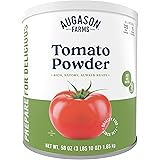
Tomato Powder Can Emergency Food Supply, 329 Servings, 25 Year Shelf Life, Made with Real Tomatoes - Dry Tomato Powder Blend, Ingredient for Cooking and Food Preparation
$33.44 (as of March 27, 2026 23:51 GMT -04:00 - More infoProduct prices and availability are accurate as of the date/time indicated and are subject to change. Any price and availability information displayed on [relevant Amazon Site(s), as applicable] at the time of purchase will apply to the purchase of this product.)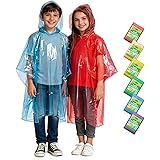
Hitituto Rain Ponchos Family Pack Kids– 6/12/24 Pack Disposable Poncho with Hood, Clear & Assorted Colors, Home Survival Kits
$9.99 (as of March 27, 2026 23:51 GMT -04:00 - More infoProduct prices and availability are accurate as of the date/time indicated and are subject to change. Any price and availability information displayed on [relevant Amazon Site(s), as applicable] at the time of purchase will apply to the purchase of this product.)
AquaPodKit Made in USA - Emergency Bathtub Water Storage Bladder 65-100 Gallon Capacity - BPA Free- Food Grade Materials - Hurricane Disaster Preparedness Supply - Family Survival Supply (Bag)
$32.95 (as of March 27, 2026 23:51 GMT -04:00 - More infoProduct prices and availability are accurate as of the date/time indicated and are subject to change. Any price and availability information displayed on [relevant Amazon Site(s), as applicable] at the time of purchase will apply to the purchase of this product.)
SOS Food Labs, Inc. 185000825 S.O.S. Rations Emergency 3600 Calorie Food bar - 3 Day/ 72 Hour Package with 5 Year Shelf Life, 5" Height, 2" Wide, 4.5" Length, white
$14.95 (as of March 27, 2026 23:51 GMT -04:00 - More infoProduct prices and availability are accurate as of the date/time indicated and are subject to change. Any price and availability information displayed on [relevant Amazon Site(s), as applicable] at the time of purchase will apply to the purchase of this product.)