Disasters can strike at any moment, often without warning. Whether it’s a natural disaster like a hurricane or an unexpected emergency such as a house fire, knowing what to store for disaster is crucial for safeguarding yourself and your loved ones. Being prepared not only provides peace of mind but also ensures that you have the necessary items to sustain yourself during challenging times. So, what exactly should you have on hand? This comprehensive guide will delve into what to store for disaster and how to effectively prepare for various emergencies.
To begin with, it’s essential to understand that preparedness is a proactive approach. According to the Federal Emergency Management Agency (FEMA), having a disaster supply kit can significantly increase your chances of staying safe and healthy in a crisis. The first step is knowing what to store for disaster to mitigate risks and enhance your emergency response capabilities.
Understanding the Importance of Disaster Preparedness
When it comes to disaster preparedness, awareness is key. Understanding the types of disasters that can occur in your area will guide your preparation efforts. For instance, those living in coastal regions might prioritize hurricane supplies, while individuals in earthquake-prone areas should focus on securing their homes and having necessary safety equipment.

**Why Prepare?**
– Enhances your safety and security.
– Reduces the anxiety that comes from uncertainty.
– Ensures that you can act quickly and effectively during emergencies.
– Helps you assist others in your community.
In fact, research shows that people who prepare are not only more resilient but also act as community leaders during crises. By being prepared, you can help others access resources and support during difficult times.
What to Store for Disaster: Essential Supplies
Knowing what to store for disaster begins with assembling a well-rounded emergency kit. Below are key supplies that should be included in your disaster preparedness plan:
Basic Supplies

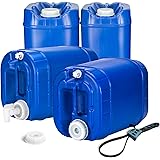
1. **Water:** One gallon per person per day for at least three days, for drinking and sanitation.
2. **Food:** A three-day supply of non-perishable items such as canned goods, granola bars, and dried fruits.
3. **Battery-Powered or Hand-Crank Radio:** To stay informed about emergency updates.
4. **Flashlight:** With extra batteries.
5. **First Aid Kit:** Including bandages, antiseptics, and any necessary prescription medications.
Consider this: many people underestimate the importance of having adequate food and water supplies. A survey by the American Red Cross found that only 53% of households have an emergency kit ready. By ensuring you have the essentials, you’re taking a crucial step towards safety.
Special Considerations
Not everyone’s needs are the same. Here are some additional items to consider based on your specific circumstances:
– **Infant Supplies:** Formula, diapers, and wipes if you have a baby.
– **Pet Supplies:** Food, water, and medications for pets.
– **Medical Needs:** Extra eyeglasses or hearing aids.
– **Cash:** Small bills in case ATMs are unavailable.
By assessing your unique situation, you can tailor your kit to cover all necessary bases. This thoughtful preparation can make a significant difference in your ability to cope during a crisis.
Creating a Personal Disaster Plan
After understanding what to store for disaster, the next step is to create a personal disaster plan. A clear and concise plan will help you act swiftly in times of need.
**Steps to Create Your Plan:**
1. **Identify Emergency Contacts:** Make a list of local emergency numbers, family contacts, and neighbors.
2. **Designate Meeting Points:** Choose safe locations where your family can regroup if separated.
3. **Practice Your Plan:** Conduct regular drills so everyone knows their roles and responsibilities.
The reality is that a well-rehearsed plan can save lives. It fosters familiarity and reduces panic during actual emergencies. By practicing your plan, you can identify potential issues and make necessary adjustments.
Safeguarding Important Documents
In addition to physical supplies, knowing what to store for disaster involves protecting critical documents. These include identification, insurance policies, and medical records.
**Tips for Document Safety:**
– **Digital Copies:** Store copies of important documents on a secure cloud service.
– **Physical Copies:** Keep essential documents in a waterproof and fireproof container.
– **Emergency Contact Information:** Ensure this is readily accessible within your emergency kit.
By safeguarding your documents, you can ensure that you have access to vital information even in the chaos of a disaster. This proactive measure can facilitate recovery and help you navigate the aftermath.
References and Resources
These resources provide valuable information about what to store for disaster. Check them out for additional insights:
Authoritative Sources on what to store for disaster
-
Ready.gov
ready.govThis FEMA resource provides comprehensive guidelines on disaster preparedness, including what to store for different types of emergencies.
-
American Red Cross
redcross.orgA leading organization in disaster response, providing resources on emergency kits and safety planning.
-
Centers for Disease Control and Prevention (CDC)
cdc.govOffers guidelines on health and safety during disasters, including vaccination recommendations and health supplies.
-
National Hurricane Center
nhc.noaa.govProvides expert information on hurricanes, including preparedness checklists tailored for severe weather.
-
National Preparedness Month
nationalready.govPromotes preparedness awareness and resources to help individuals prepare for any disaster.
-
CDC Emergency Preparedness
emergency.cdc.govA valuable resource for understanding health risks and what to store for disaster-related emergencies.
-
Emergency Kit Essentials
ready.govDetails the specific items to include in your emergency kit, tailored for various scenarios.
Get Preparedness and Self-Reliance Tips. Subscribe Now!
-
National Fire Protection Association (NFPA)
nfpa.orgOffers resources on fire safety and preparedness, including what to store for fire-related emergencies.
Frequently Asked Questions
What should I include in my emergency kit?
Your emergency kit should include water, non-perishable food, a flashlight, batteries, a first aid kit, and any necessary medications. It’s essential to tailor your kit based on your family’s specific needs, including any special requirements for infants or pets.
How often should I check my disaster supplies?
It’s advisable to review your disaster supplies at least once a year. Check expiration dates on food and medications, and replenish items as needed. Regular checks ensure that your emergency kit is always ready for any situation.
Why is it important to have a disaster plan?
A disaster plan outlines what to do in emergencies, helping to reduce panic and confusion. It ensures everyone knows their roles, where to meet, and how to communicate, ultimately enhancing safety and preparedness.
What to store for disaster recovery?
For disaster recovery, store important documents, insurance policies, and emergency contact information. Additionally, consider having extra cash and a backup of digital documents to ensure you have necessary resources for rebuilding.
How can I involve my family in disaster preparedness?
Involve your family by discussing potential emergencies, creating a disaster plan together, and practicing drills. Make it a family project to assemble the emergency kit, ensuring everyone understands their role in maintaining safety.
Conclusion
Preparing for emergencies by knowing what to store for disaster is not just wise; it’s essential for ensuring safety and security. By creating a comprehensive emergency kit and a clear disaster plan, you empower yourself and your family to face challenges head-on. The key takeaways here emphasize the importance of awareness, preparedness, and regular updates to your supplies.
As you move forward, take the first steps by assessing your current situation and making a checklist of items to gather. Remember, the goal is not just to survive but to thrive, even in the face of adversity. Take action today, and invest in your peace of mind for tomorrow.
Find out more information about “what to store for disaster”
Search for more resources and information:
Related Content
- The Best Strategies for Cooking Without a Kitchen
- The Best Techniques for Concealing Emergency Supplies
- Can I become self-reliant without quitting my job?
- Empower Yourself with These Crucial Elderly Disaster Planning Tips for Peace of Mind
- Equip Yourself for Lifes Surprises: A Comprehensive Basic First Aid Prep List
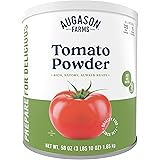
Tomato Powder Can Emergency Food Supply, 329 Servings, 25 Year Shelf Life, Made with Real Tomatoes - Dry Tomato Powder Blend, Ingredient for Cooking and Food Preparation
$44.99 (as of March 31, 2026 03:01 GMT -04:00 - More infoProduct prices and availability are accurate as of the date/time indicated and are subject to change. Any price and availability information displayed on [relevant Amazon Site(s), as applicable] at the time of purchase will apply to the purchase of this product.)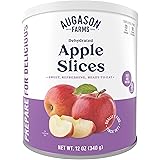
Dehydrated Apple Slices Emergency Food Supply, 20 Servings, 25 Year Shelf Life, Great for Cooking, Baking, and Snacks - Dehydrated Meals, Survival Food Camping Essentials Can
$44.49 (as of March 31, 2026 03:01 GMT -04:00 - More infoProduct prices and availability are accurate as of the date/time indicated and are subject to change. Any price and availability information displayed on [relevant Amazon Site(s), as applicable] at the time of purchase will apply to the purchase of this product.)
Ready Hour, Fruit & Veggie Mix, Non-Perishable Freeze-Dried Food, 30-Year Shelf Life, Portable Emergency and Adventure Food Supply, Durable Flood Safe Container, 56 Servings
$64.99 (as of March 31, 2026 03:01 GMT -04:00 - More infoProduct prices and availability are accurate as of the date/time indicated and are subject to change. Any price and availability information displayed on [relevant Amazon Site(s), as applicable] at the time of purchase will apply to the purchase of this product.)
3 Pack 40 Gallon Water Storage Bladder, Heavy Duty Food-Grade Plastic Bag, BPA-Free, Foldable and Resuable. Ideal for Emergency Water Bank, Camping, Gardening & Agricultural Irrigation
$29.99 (as of March 31, 2026 03:01 GMT -04:00 - More infoProduct prices and availability are accurate as of the date/time indicated and are subject to change. Any price and availability information displayed on [relevant Amazon Site(s), as applicable] at the time of purchase will apply to the purchase of this product.)