
A family emergency evacuation plan checklist is crucial for ensuring safety and preparedness during unexpected events such as natural disasters or emergencies. This checklist should include essential items like identification documents, emergency contacts, a first aid kit, and sufficient food and water supplies.
When creating your evacuation plan, consider the specific risks your family may face based on your location, such as floods, wildfires, or severe storms. Each risk may require different items or considerations in your checklist. Common mistakes include underestimating the amount of food and water needed or failing to include vital documents like insurance policies and medical records. Prioritizing these elements can make a significant difference in the effectiveness of your plan.
Essential Documents and Information
One of the most critical aspects of your evacuation checklist is ensuring you have all essential documents and information readily available. This includes identification documents, insurance policies, medical records, and any other important paperwork.

To avoid losing these documents during an emergency, keep them in a waterproof and portable container. Consider creating electronic copies stored securely online, which can be accessed from anywhere. Failing to have these documents can lead to complications in recovery and assistance after an evacuation.
Supplies for Evacuation
Your evacuation checklist should also include necessary supplies to sustain your family during the emergency. This typically encompasses food, water, first aid kits, and any necessary medications.
It’s important to pack non-perishable food items and enough water to last at least three days. Don’t forget to include a first aid kit with bandages, antiseptics, and other medical supplies, tailored to your family’s specific needs. Additionally, regularly check the expiration dates on supplies and replace them as needed.
Planning Your Evacuation Route
Having a well-thought-out evacuation route is crucial for ensuring that you can leave your home efficiently and safely. Familiarize yourself with multiple routes and ensure your family understands them.

Consider local traffic patterns and potential hazards that may affect your routes. It’s also wise to have a backup plan in case your primary route is blocked. Regularly practice your evacuation plan with your family to ensure everyone knows what to do when the time comes.
Family Communication Plan
A solid communication plan can make a significant difference in ensuring everyone’s safety during an evacuation. Establish how family members will communicate before, during, and after an emergency.
Get Preparedness and Self-Reliance Tips. Subscribe Now!
Designate a family member or a friend outside your immediate area as a point of contact. Ensure that everyone knows how to reach this person. This helps keep everyone informed and accounted for, especially if cell networks are down or overloaded.
Further Reading
For additional guidance on creating an emergency evacuation plan, consult resources from local emergency management agencies or the Federal Emergency Management Agency (FEMA). They provide comprehensive checklists and planning tools tailored to various scenarios.
Further Reading
Authoritative Sources
- Ready.gov
ready.govOfficial U.S. preparedness guidance, checklists, and planning resources for households and emergencies.
- FEMA
fema.govFederal emergency management resources, disaster planning information, and recovery guidance.
- American Red Cross Emergency Preparedness
redcross.orgPractical emergency preparation steps, supply lists, and safety guidance for families.
- National Weather Service
weather.govOfficial forecasts, hazard alerts, and weather safety information.
- CDC Emergency Preparedness and Response
cdc.govPublic health guidance for emergencies, disasters, and recovery situations.
Frequently Asked Questions
What items should be included in a family emergency evacuation plan?
Essential items include identification documents, emergency contacts, a first aid kit, necessary medications, non-perishable food, and water supplies.
How often should I update my evacuation plan?
It’s advisable to review and update your evacuation plan at least once a year or after any significant life changes, such as moving or the addition of new family members.
What is the best way to store important documents for emergencies?
Store important documents in a waterproof, portable container and keep electronic copies in a secure cloud service for easy access.
How can I ensure my family knows the evacuation plan?
Regularly practice the evacuation plan with your family and ensure everyone understands the routes, meeting points, and communication methods.
What should I do if I have pets during an evacuation?
Include your pets in your evacuation plan by preparing pet supplies, food, and carriers. Ensure pet-friendly shelters are part of your route.
Conclusion
Creating a comprehensive family emergency evacuation plan checklist is vital for safety and preparedness. Prioritize essential documents, supplies, and communication strategies to ensure your family can respond effectively during an emergency. Regularly review and practice your plan to adapt to any changes in your circumstances. Taking these proactive steps can significantly enhance your family’s safety and resilience in the face of unexpected events.
Get Preparedness and Self-Reliance Tips. Subscribe Now!
Related Content
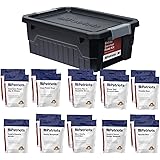
4Patriots Emergency Entree Food Kit – 128 Tasty Freeze-Dried MRE Survival Meals, 25 Year Shelf Life
Now retrieving the price.
(as of March 27, 2026 23:51 GMT -04:00 - More infoProduct prices and availability are accurate as of the date/time indicated and are subject to change. Any price and availability information displayed on [relevant Amazon Site(s), as applicable] at the time of purchase will apply to the purchase of this product.)
AquaPodKit Made in USA - Emergency Bathtub Water Storage Bladder 65-100 Gallon Capacity - BPA Free- Food Grade Materials - Hurricane Disaster Preparedness Supply - Family Survival Supply (Bag)
$32.95 (as of March 27, 2026 23:51 GMT -04:00 - More infoProduct prices and availability are accurate as of the date/time indicated and are subject to change. Any price and availability information displayed on [relevant Amazon Site(s), as applicable] at the time of purchase will apply to the purchase of this product.)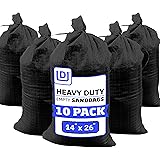
DURASACK Heavy Duty Sand Bags with Tie Strings Empty Woven Polypropylene Sand-Bags for Flood Control with 1600 Hours of UV Protection, 50 lbs Capacity, 14x26 inches, Black, Pack of 10
$9.85 (as of March 27, 2026 23:51 GMT -04:00 - More infoProduct prices and availability are accurate as of the date/time indicated and are subject to change. Any price and availability information displayed on [relevant Amazon Site(s), as applicable] at the time of purchase will apply to the purchase of this product.)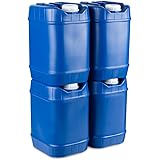
Saratoga Farms 5-Gallon Stackable Water Storage Containers, Emergency Water Storage for Camping and Disaster Preparedness, 20 Gallons
$104.79 (as of March 27, 2026 23:51 GMT -04:00 - More infoProduct prices and availability are accurate as of the date/time indicated and are subject to change. Any price and availability information displayed on [relevant Amazon Site(s), as applicable] at the time of purchase will apply to the purchase of this product.)