Critical emergency supplies for elderly individuals encompass a range of items tailored to their specific health and mobility needs. Essential supplies such as medications, mobility aids, personal hygiene items, nutritious food, and reliable communication devices are crucial for ensuring safety and comfort during emergencies.
Understanding the stakes is vital; elderly individuals often have chronic health conditions that require ongoing management, making access to medications and medical devices paramount. Moreover, mobility aids like walkers or canes are essential for those with limited mobility, ensuring they can move safely in their environment. Neglecting these specific needs can lead to dire consequences, such as exacerbated health conditions or increased risk of injury.
Common mistakes include underestimating the quantity of supplies needed or failing to regularly update them based on changing health conditions. It is also crucial to prioritize items that can sustain individual needs for an extended period, especially in prolonged emergencies. Preparing a well-thought-out kit tailored to an elderly person’s unique situation can significantly impact their safety and well-being.
Essential Medications and Health Supplies
Having an adequate supply of essential medications is the cornerstone of emergency preparedness for elderly individuals. Many older adults rely on daily medications to manage chronic conditions such as diabetes, hypertension, or heart disease. Therefore, it is critical to keep at least a week’s supply of all medications in the emergency kit, along with any necessary medical devices like inhalers or glucose monitors.

Additionally, basic first aid supplies, such as band-aids, antiseptics, and pain relievers, should be included. Regularly checking expiration dates and replacing expired items is crucial to ensure the kit remains functional. Moreover, consider the specific health conditions of the elderly individual when assembling these supplies, as unique requirements may necessitate additional items.
One often overlooked aspect is the importance of having a list of medications, including dosages and prescribing doctors, which can be invaluable during emergencies, especially when seeking care or assistance. Keeping this information readily available can facilitate more effective responses in crisis situations.
Mobility Aids and Personal Care Items
Mobility aids play a significant role in ensuring the safety of elderly individuals during emergencies. Items such as walkers, canes, or wheelchairs should be included in their emergency plan to help them navigate safely if evacuation is necessary. These aids are not just about mobility; they are essential for maintaining independence and confidence.
Personal care items, including hygiene products like wet wipes, adult diapers, and toiletries, are equally important. In emergencies, maintaining personal hygiene can help prevent infections and other health issues. It’s essential to consider the comfort and dignity of elderly individuals during stressful situations, and having these items on hand can greatly enhance their well-being.

Moreover, ensure that any mobility aids are in good working condition and easily accessible. In a hurry, it’s common for individuals to forget their aids, leading to dangerous situations. Having a designated emergency bag with these supplies can help mitigate this risk.
Nutritional Needs and Food Supplies
Emergency food supplies for elderly individuals should focus on nutrition and ease of preparation. Non-perishable food items such as canned goods, protein bars, and dried fruits are ideal, as they have a long shelf life and can provide essential nutrients. It is important to consider dietary restrictions or preferences when selecting these items.
In addition to food, access to clean drinking water is vital. Elderly individuals may require more hydration, so ensuring a sufficient supply in the emergency kit is crucial. A general rule of thumb is to have at least one gallon of water per person per day for at least three days.
Lastly, consider including items that are easy to consume, especially if the elderly individual has swallowing difficulties. Foods that require minimal preparation are preferable, as they reduce stress during emergencies when time and resources may be limited.
Communication and Emergency Contact Information
Effective communication is essential during emergencies, especially for elderly individuals who may require assistance. Including a fully charged mobile phone with emergency contacts saved is crucial. In addition, a portable charger can help ensure that devices remain operational during power outages.
It is also advisable to have printed copies of important documents, including medical records, identification, and emergency contacts. These documents should be stored in a waterproof bag within the emergency kit to protect them from damage. This preparation can facilitate quicker access to necessary information during a crisis.
Moreover, consider establishing a communication plan with family members or caregivers. Regular check-ins and shared knowledge about the emergency kit’s location can enhance safety and reduce anxiety for both elderly individuals and their loved ones.
Further Reading
Authoritative Sources
- Ready.gov: Emergency Preparedness for Seniors
ready.govThis resource provides comprehensive guidance tailored specifically for elderly individuals, ensuring their unique needs are met during emergencies
- CDC: Emergency Preparedness for Older Adults
cdc.govThe CDC offers valuable insights and recommendations for preparing older adults for various emergency scenarios
- Red Cross: Emergency Preparedness for Seniors
redcross.orgThis site includes practical tips and checklists for ensuring that seniors are ready for emergencies
- NIA: Preparing for Emergencies
nia.nih.govThe National Institute on Aging provides important information on how to prepare for emergencies, focusing on the needs of older adults
Frequently Asked Questions
What should elderly individuals include in their emergency kit?
Elderly individuals should include medications, mobility aids, personal care items, non-perishable food, clean drinking water, and communication devices in their emergency kit.
How often should I check and update the emergency supplies?
It is advisable to check and update emergency supplies every six months to ensure medications and food are not expired and that all items are in good condition.
What types of food are best for an emergency kit?
Non-perishable, nutrient-dense foods such as canned goods, protein bars, and dried fruits are ideal for an emergency kit, considering dietary restrictions.
How can I ensure communication during an emergency?
Keep a charged mobile phone with emergency contacts saved, and consider having a portable charger. Establish a communication plan with family members.
Why is it important to include personal care items?
Personal care items help maintain hygiene and comfort during emergencies, preventing infections and enhancing dignity for elderly individuals.
Conclusion
In conclusion, preparing an emergency kit for elderly individuals involves careful consideration of their unique needs. Prioritizing essential medications, mobility aids, personal care items, nutritious food, and communication devices can significantly enhance their safety and well-being during crises. Regularly reviewing and updating these supplies ensures they remain relevant and effective. By taking proactive steps, families can help ensure that elderly loved ones are ready to face emergencies with confidence and security.
Related Content
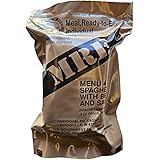
Genuine USGI Individual MRE [Meal, Ready to Eat] Inspection Date 01/2024 or Newer - You Choose Menu - Complete Ration with Entree, Snacks, Dessert, Drink Mix, Utensils, Condiments and FRH. (#4 Spaghetti)
$13.85 (as of April 1, 2026 03:28 GMT -04:00 - More infoProduct prices and availability are accurate as of the date/time indicated and are subject to change. Any price and availability information displayed on [relevant Amazon Site(s), as applicable] at the time of purchase will apply to the purchase of this product.)
Country Fresh Instant Nonfat Dry Milk Powder, 39 Servings, 20 Year Shelf Life, Gluten Free - Canned Vitamin-Fortified Nonfat Milk Powder for Baking and Emergency Food Supplies
$16.78 (as of April 1, 2026 03:28 GMT -04:00 - More infoProduct prices and availability are accurate as of the date/time indicated and are subject to change. Any price and availability information displayed on [relevant Amazon Site(s), as applicable] at the time of purchase will apply to the purchase of this product.)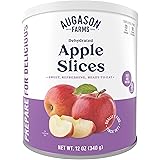
Dehydrated Apple Slices Emergency Food Supply, 20 Servings, 25 Year Shelf Life, Great for Cooking, Baking, and Snacks - Dehydrated Meals, Survival Food Camping Essentials Can
$43.88 (as of April 1, 2026 03:28 GMT -04:00 - More infoProduct prices and availability are accurate as of the date/time indicated and are subject to change. Any price and availability information displayed on [relevant Amazon Site(s), as applicable] at the time of purchase will apply to the purchase of this product.)
S.O.S. Rations Emergency 3600 Calorie Food Bar (Cinnamon + Coconut, 2 Pack)
$18.06 (as of April 1, 2026 03:28 GMT -04:00 - More infoProduct prices and availability are accurate as of the date/time indicated and are subject to change. Any price and availability information displayed on [relevant Amazon Site(s), as applicable] at the time of purchase will apply to the purchase of this product.)