
In rural environments, the best emergency gear comprises essential items like multi-tools, first-aid kits, portable water purification systems, sturdy flashlights, and emergency blankets. These tools are crucial for ensuring safety and survival during unforeseen situations, especially when immediate help may be unavailable.
When selecting emergency gear, consider the unique challenges posed by rural settings, such as limited access to resources, potential isolation during emergencies, and varying weather conditions. For instance, multi-tools can serve multiple functions, reducing the need to carry several individual tools. Additionally, portable water purification systems are vital for ensuring access to safe drinking water, which is often a challenge in emergencies.
A common mistake is underestimating the importance of having a comprehensive first-aid kit tailored for the specific risks associated with rural living. Many people overlook items like snake bite kits or trauma supplies, which can be critical in remote areas. Understanding local hazards and preparing accordingly can make a significant difference in emergency outcomes.
Key Emergency Items for Rural Preparedness
Essential emergency gear for rural environments includes items that address unique challenges. A reliable multi-tool is indispensable, offering functions ranging from cutting to screwing, which can be crucial for quick repairs or crafting makeshift solutions. Additionally, a well-stocked first-aid kit should include not only basic supplies but also items tailored to rural hazards, such as insect bite treatments and trauma supplies.

Portable water purification systems, such as filters or purification tablets, are critical in areas where water sources may be contaminated or scarce. Sturdy flashlights with extra batteries ensure visibility during power outages or nighttime emergencies, while emergency blankets provide warmth without adding significant weight to your pack.
Another vital component is a reliable communication device, such as a satellite phone or a personal locator beacon, especially in areas with poor cell service. This gear allows for emergency communication and can be a lifeline in critical situations. Prioritizing these items can significantly enhance your readiness for unexpected events.
Assessing Local Risks and Needs
Understanding the specific risks associated with your rural location is essential for effective emergency preparedness. Factors such as geographical features, local wildlife, and common natural disasters (like floods or wildfires) should inform your gear selection. For instance, if you live in an area prone to wildfires, having a fire extinguisher and protective clothing is crucial.
Conducting a risk assessment can help identify the most pressing concerns for your area. This assessment should include evaluating potential hazards, such as severe weather, terrain challenges, and wildlife encounters. By understanding these risks, you can tailor your emergency kit to address the specific needs of your environment.

Many individuals fail to recognize the importance of local knowledge in their preparedness plans. Engaging with local emergency services or community preparedness groups can provide insights into common issues faced by residents, helping you make informed decisions about your gear. This proactive approach can lead to better safety outcomes during emergencies.
Building a Customized Emergency Kit
Creating a customized emergency kit involves selecting items that align with your specific needs and risks. Start with a sturdy, waterproof backpack to house your gear, ensuring it remains organized and accessible. Include a first-aid kit tailored to your identified risks, as well as personal medications and hygiene items.
Incorporate food supplies that are non-perishable and easy to prepare, such as energy bars, dried fruits, and canned goods. Additionally, include a portable cooking device and fuel, which can be invaluable if you need to prepare meals without electricity.
Assembling your kit is not a one-time task; it requires regular updates and checks. Periodically review the contents, checking expiration dates on food and medical supplies, and adjust based on seasonal changes or evolving local risks. This ensures your kit remains ready for any emergency scenario.
Maintaining and Updating Your Gear
Regular maintenance of your emergency gear is crucial for ensuring its effectiveness when needed. Check items like flashlights for battery life and functionality, and inspect first-aid supplies for expired items. Keeping your gear in good working order can prevent failures during critical moments.
Updating your emergency kit should be a routine task, especially after significant life changes, such as moving to a new location or experiencing changes in family size. Each time you make updates, reconsider the unique risks associated with your current environment to ensure your gear aligns with your needs.
Many people underestimate the importance of training in using their emergency gear. Familiarize yourself with the operation of tools, first-aid techniques, and the functionality of communication devices. This practice can significantly enhance your confidence and readiness in real emergencies.
Further Reading
Authoritative Sources
- Ready.gov Emergency Kit
ready.govThis resource provides comprehensive guidelines on building an emergency kit tailored for various needs
- American Red Cross Emergency Preparedness
redcross.orgOffers valuable information on emergency preparedness and specific gear recommendations
Frequently Asked Questions
What are the most essential items for an emergency kit?
Key items include a multi-tool, first-aid kit, portable water purification system, flashlight, and emergency blanket.
How often should I update my emergency gear?
It’s advisable to review and update your emergency kit at least twice a year or after significant life changes.
What should be included in a first-aid kit for rural emergencies?
Your first-aid kit should include basic supplies, trauma items, snake bite kits, and personal medications.
How can I assess risks specific to my rural area?
Conduct a risk assessment by evaluating geographical features, local wildlife, and common natural disasters in your area.
Why is local knowledge important in emergency preparedness?
Local knowledge helps you understand specific hazards and prepare effectively, improving safety outcomes during emergencies.
Related Content

Grizzly Gear Emergency Food Rations- 3600 Calorie Bar (Vanilla Poundcake) - 3 Day, 72 Hour Ready To Eat Supply For Disaster, Hurricane, Flood Preparedness - Non Thirst Provoking - 5 Year Shelf Life
$19.99 (as of March 31, 2026 03:01 GMT -04:00 - More infoProduct prices and availability are accurate as of the date/time indicated and are subject to change. Any price and availability information displayed on [relevant Amazon Site(s), as applicable] at the time of purchase will apply to the purchase of this product.)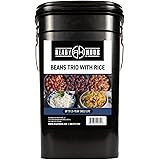
Ready Hour Beans Trio with Rice Kit Bucket (100 Servings) Survival Beans and Rice, Survival Food Storage, Emergency Preparedness Food, Prepper, Easy Prep, 30-Year Shelf Life
$114.99 (as of March 31, 2026 03:01 GMT -04:00 - More infoProduct prices and availability are accurate as of the date/time indicated and are subject to change. Any price and availability information displayed on [relevant Amazon Site(s), as applicable] at the time of purchase will apply to the purchase of this product.)
Dehydrated Apple Slices Emergency Food Supply, 20 Servings, 25 Year Shelf Life, Great for Cooking, Baking, and Snacks - Dehydrated Meals, Survival Food Camping Essentials Can
$44.49 (as of March 31, 2026 03:01 GMT -04:00 - More infoProduct prices and availability are accurate as of the date/time indicated and are subject to change. Any price and availability information displayed on [relevant Amazon Site(s), as applicable] at the time of purchase will apply to the purchase of this product.)
Emergency Food Ration Bars, Chocolate Flavor Survival Tabs Supply for Outdoor Camping Emergency Snowstorm Earthquake Disaster Preparedness Kit With Long Self Life 12 Count
$26.04 (as of March 31, 2026 03:01 GMT -04:00 - More infoProduct prices and availability are accurate as of the date/time indicated and are subject to change. Any price and availability information displayed on [relevant Amazon Site(s), as applicable] at the time of purchase will apply to the purchase of this product.)