When considering water purification, it’s essential to identify the specific contaminants present in your water. For instance, some methods excel at removing bacteria and viruses, while others are better for heavy metals or chemical pollutants. Understanding the strengths and limitations of each strategy allows you to select the most suitable approach for your needs.
Filtration Systems
Filtration systems are one of the most popular methods for home water purification. They can effectively remove sediment, chlorine, and some heavy metals, depending on the type of filter used. Common options include activated carbon filters and ceramic filters, which are widely available and easy to install.
When selecting a filtration system, consider the specific contaminants you need to address. Activated carbon filters are great for improving taste and odor, while ceramic filters can remove bacteria and larger particles. It’s also important to maintain and replace filters regularly to ensure optimal performance.
Many homeowners overlook the necessity of regular maintenance for their filtration systems. Failure to do so can lead to reduced efficiency and potential health risks from contaminated water. Ensure you follow the manufacturer’s guidelines for filter replacement and cleaning.

Boiling Water
Boiling is one of the oldest and most effective methods of purifying water, killing pathogens such as bacteria and viruses. Bringing water to a rolling boil for at least one minute is sufficient for disinfection.
This method is particularly useful in emergency situations or when other purification methods are unavailable. However, boiling does not remove chemical contaminants or heavy metals, so it should be used as a supplement to other purification methods.
Many people may not realize that boiling water can lead to a concentration of certain contaminants, like nitrates, due to evaporation. Therefore, while boiling is effective for microbial purification, it’s crucial to combine it with other methods for comprehensive water quality improvement.
Chemical Treatments
Chemical treatments, such as using chlorine or iodine tablets, are convenient methods for disinfecting water. These chemicals can effectively kill bacteria and viruses, making water safe to drink.

However, the use of chemicals can introduce new considerations, such as taste and potential health effects from long-term exposure. It’s essential to follow the instructions carefully and to allow sufficient contact time for the chemicals to work effectively.
Many users underestimate the importance of proper dosage and contact time when using chemical treatments. Insufficient levels may not effectively kill pathogens, while excessive use can lead to unwanted chemical residues in the water. Always test your water after treatment to ensure safety.
UV Light Purification
Ultraviolet (UV) light purification is an advanced method that effectively kills bacteria and viruses without the use of chemicals. UV systems are convenient and can be integrated into home water systems.
However, UV purification requires clear water to be effective; turbidity can shield microorganisms from UV light. Additionally, this method does not remove chemical contaminants, so it’s best used in conjunction with filtration.
Many homeowners may not realize that UV systems require regular maintenance, including bulb replacement and cleaning of the quartz sleeve. Neglecting these tasks can lead to reduced effectiveness and potential health risks.
Reverse Osmosis
Reverse osmosis (RO) systems are among the most effective water purification methods, capable of removing a wide range of contaminants, including heavy metals, salts, and some chemicals. RO systems use a semi-permeable membrane to filter out impurities.
While effective, these systems can be costly and may require significant maintenance. Additionally, they can waste water during the purification process, which is an important consideration for environmentally-conscious users.
Many people underestimate the amount of maintenance required for RO systems. Regular filter changes, system sanitization, and membrane replacement are essential for maintaining efficiency. Users should be prepared for ongoing costs and potential water wastage.
Further Reading
Authoritative Sources
- Safe Drinking Water Information
epa.govThis resource provides comprehensive information on safe drinking water standards and water purification methods
Frequently Asked Questions
What is the most effective method for water purification at home?
The most effective method for water purification at home depends on the specific contaminants present. Reverse osmosis is highly effective for a wide range of impurities, while filtration systems are popular for everyday use.
How often should I replace filters in my water purification system?
Filters in water purification systems should be replaced according to the manufacturer’s recommendations, typically every 6 to 12 months, depending on usage and water quality.
Can boiling water remove chemical contaminants?
No, boiling water is effective for killing pathogens but does not remove chemical contaminants or heavy metals. It should be combined with other purification methods for comprehensive safety.
Is UV water purification safe?
Yes, UV water purification is safe and effective for killing bacteria and viruses. However, it does not remove chemical contaminants, so it should be used alongside filtration systems.
What maintenance do reverse osmosis systems require?
Reverse osmosis systems require regular maintenance, including replacing filters and membranes, cleaning the system, and ensuring proper function to maintain efficiency and safety.
Related Content
- How to Secure Your Home During Civil Unrest Situations: Practical Steps and Precautions
- Why should I prioritize self-reliance in my daily life?
- How to Prepare for Extreme Cold Weather Events
- Be Prepared: The Ultimate Hurricane Prep Supply List to Weather Any Storm
- What are the most important steps for emergency preparation?

Ready Hour, Fruit & Veggie Mix, Non-Perishable Freeze-Dried Food, 30-Year Shelf Life, Portable Emergency and Adventure Food Supply, Durable Flood Safe Container, 56 Servings
$64.99 (as of April 1, 2026 03:28 GMT -04:00 - More infoProduct prices and availability are accurate as of the date/time indicated and are subject to change. Any price and availability information displayed on [relevant Amazon Site(s), as applicable] at the time of purchase will apply to the purchase of this product.)
SOS Food Labs, Inc. 185000825 S.O.S. Rations Emergency 3600 Calorie Food bar - 3 Day/ 72 Hour Package with 5 Year Shelf Life, 5" Height, 2" Wide, 4.5" Length, white
$14.95 (as of April 1, 2026 03:28 GMT -04:00 - More infoProduct prices and availability are accurate as of the date/time indicated and are subject to change. Any price and availability information displayed on [relevant Amazon Site(s), as applicable] at the time of purchase will apply to the purchase of this product.)
Grizzly Gear Emergency Food Rations- 3600 Calorie Bar (Vanilla Poundcake) - 3 Day, 72 Hour Ready To Eat Supply For Disaster, Hurricane, Flood Preparedness - Non Thirst Provoking - 5 Year Shelf Life
$19.99 (as of April 1, 2026 03:28 GMT -04:00 - More infoProduct prices and availability are accurate as of the date/time indicated and are subject to change. Any price and availability information displayed on [relevant Amazon Site(s), as applicable] at the time of purchase will apply to the purchase of this product.)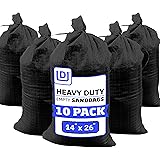
DURASACK Heavy Duty Sand Bags with Tie Strings Empty Woven Polypropylene Sand-Bags for Flood Control with 1600 Hours of UV Protection, 50 lbs Capacity, 14x26 inches, Black, Pack of 10
$9.85 (as of April 1, 2026 03:28 GMT -04:00 - More infoProduct prices and availability are accurate as of the date/time indicated and are subject to change. Any price and availability information displayed on [relevant Amazon Site(s), as applicable] at the time of purchase will apply to the purchase of this product.)