Assessing Your Water Needs
Understanding Household Water Usage
This matters more than it seems because weak decisions here usually create bigger downstream problems. First, let’s get real about how much water we’re using daily. It’s crazy easy to overlook. From brushing our teeth to doing laundry, we’re probably throwing more water down the drain than we care to admit. Grab a notebook and jot down major activities—this will give you a solid sense of where adjustments can be made.
By breaking down our water usage into activities, it’s clear where we might be wasting water. For example, did you know that a standard shower can use up to 2.5 gallons per minute? A quick shower can seriously add up, so just by being mindful, you can already make an impact.
Assessing our water needs doesn’t just help in identifying waste; it’s also a great way to engage the whole family in a group effort. Trust me, once everyone is on board with saving water, it becomes a fun little challenge! Game on, right?

Implementing Water-Saving Devices
Finding the Right Tools
This matters more than it seems because weak decisions here usually create bigger downstream problems. Next up, let’s chat about those nifty water-saving devices. There are loads out there that can really help you cut down water use. From low-flow showerheads to dual-flush toilets, these can make a huge difference in your daily water consumption.
When I upgraded our showerhead, it was like flipping a switch. I still got that refreshing shower without the water hogging. A simple swap can lead to savings on your water bill too—talk about a win-win!
Don’t overlook your faucets! Aerators are inexpensive and easy to install. They reduce flow while still maintaining pressure, so you won’t even notice the cutback. Plus, having these devices makes you feel like a true water-saving superhero at home!
Modifying Daily Habits
Mindful Behavior Changes
This matters more than it seems because weak decisions here usually create bigger downstream problems. Okay friends, this is where we really make our mark! Modifying our daily habits is big time. Instead of washing dishes under a steady stream of water, how about filling one basin? Not only does it save water, but it also saves time and effort.

Another easy one? Turning off the tap while brushing your teeth. I used to let it run, but now I only turn it on to rinse. This simple habit change saves gallons over time, and it’s so easy to do!
Streamlining your laundry is equally crucial. Only running full loads? Definitely! It’s about being smart and efficient with what you use, so every drop counts during a drought.
Optimizing Outdoor Water Use
Watering Wisely
This matters more than it seems because weak decisions here usually create bigger downstream problems. Let’s take it outdoors for a bit! Watering your lawn can feel like a necessary chore, but it can be easily optimized. Early mornings or late evenings are the best times to water, which prevents evaporation during the hotter parts of the day. Who knew I could save so much just by changing the timing?
Get Preparedness and Self-Reliance Tips. Subscribe Now!
Another tip? Collect rainwater! Yup, using barrels to catch rain during storms is genius. This ‘freebie’ water can be used to hydrate your garden or even wash your car. It’s like Mother Nature’s gift to us, just sitting there waiting to be used.
Lastly, if you’ve got plants that thrive in your local climate, consider swaying towards native plants. They generally need less water and care, plus they’re beautiful! Gardening can be totally rewarding when it means using less water.
Educating and Advocating for Change
Sharing Your Knowledge
This matters more than it seems because weak decisions here usually create bigger downstream problems. Now that we’ve got some solid tips, let’s spread the love! Educating my friends and family about why water conservation is important can really amplify the effect. It’s amazing how quickly this knowledge can trickle down. A fun group fun can turn into a community movement—who’s in?
Don’t underestimate the power of advocating for better policies. Whether it’s speaking at a local community meeting or just signing petitions, every little bit helps. Working together to push for sustainable water practices can lead to a cleaner future for all.
And remember, your efforts can inspire others. Share your water-saving achievements on social media or even through a blog. We all want to make a difference, but sometimes people just need a nudge in the right direction!
FAQs
What are the top ways to save water at home?
This matters more than it seems because weak decisions here usually create bigger downstream problems. Start by assessing your usage, using water-saving devices, and modifying daily habits like shorter showers and full laundry loads. Little changes can add up!
How can I conserve water outdoors?
This matters more than it seems because weak decisions here usually create bigger downstream problems. Water your plants at dawn or dusk, collect rainwater, and consider planting drought-resistant native plants. They need less care and water.
What devices can help me save water?
This matters more than it seems because weak decisions here usually create bigger downstream problems. Low-flow showerheads, dual-flush toilets, and faucet aerators are great options. They help cut back without sacrificing water pressure.
How can I involve my family in water conservation efforts?
This matters more than it seems because weak decisions here usually create bigger downstream problems. Turn it into a fun challenge! Track usage, set goals together, and celebrate when you meet those goals. Make it a family affair!
What if my community lacks information on water conservation?
This matters more than it seems because weak decisions here usually create bigger downstream problems. Start the conversation! Bring it up at community events, share resources online, or organize a workshop. Education is key!
Related Content

DURASACK Heavy Duty Sand Bags with Tie Strings Empty Woven Polypropylene Sand-Bags for Flood Control with 1600 Hours of UV Protection, 50 lbs Capacity, 14x26 inches, White, Pack of 20
$16.99 (as of March 21, 2026 21:08 GMT -04:00 - More infoProduct prices and availability are accurate as of the date/time indicated and are subject to change. Any price and availability information displayed on [relevant Amazon Site(s), as applicable] at the time of purchase will apply to the purchase of this product.)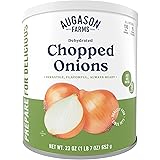
Dehydrated Chopped Onions Emergency Food Supply, 130 Servings, 25 Year Shelf Life, Great for Cooking and Baking - Dehydrated Meals, Survival Food Camping Essentials Can
$11.47 (as of March 21, 2026 21:08 GMT -04:00 - More infoProduct prices and availability are accurate as of the date/time indicated and are subject to change. Any price and availability information displayed on [relevant Amazon Site(s), as applicable] at the time of purchase will apply to the purchase of this product.)
Country Fresh Instant Nonfat Dry Milk Powder, 39 Servings, 20 Year Shelf Life, Gluten Free - Canned Vitamin-Fortified Nonfat Milk Powder for Baking and Emergency Food Supplies
$12.99 (as of March 21, 2026 21:08 GMT -04:00 - More infoProduct prices and availability are accurate as of the date/time indicated and are subject to change. Any price and availability information displayed on [relevant Amazon Site(s), as applicable] at the time of purchase will apply to the purchase of this product.)
Ready Hour, Black Bean Burger Mix, Real Non-Perishable Recipe, 25-Year Shelf Life, Emergency and Adventure Food Supply, Includes 10 Resealable Pouches, 60 Servings
$59.95 (as of March 21, 2026 21:08 GMT -04:00 - More infoProduct prices and availability are accurate as of the date/time indicated and are subject to change. Any price and availability information displayed on [relevant Amazon Site(s), as applicable] at the time of purchase will apply to the purchase of this product.)