When faced with an unexpected crisis, having a well-thought-out short term emergency checklist can make all the difference. Whether it’s a natural disaster, a medical emergency, or a sudden evacuation, being prepared can help you respond effectively. A reliable short term emergency checklist ensures that you have all the necessary supplies and information at your fingertips, ultimately minimizing panic and confusion.
In this article, we’ll explore the components of a comprehensive short term emergency checklist, how to create one tailored to your needs, and examples that can serve as a guide for your preparations. Let’s dive in and ensure you’re ready for any situation!
Understanding the Importance of a Short Term Emergency Checklist
Having a short term emergency checklist is crucial for several reasons. First and foremost, it provides peace of mind. Knowing that you have a plan in place can significantly reduce anxiety during emergencies. Furthermore, a checklist can save time in critical situations, allowing you to focus on the essentials. Here are some key points to consider:

- Efficiency: A checklist helps streamline your response, ensuring that you gather essential items quickly.
- Preparedness: Being prepared can significantly impact your ability to cope with emergencies.
- Safety: A checklist can include safety protocols, thereby enhancing your overall security during a crisis.
- Resource Management: It aids in managing your resources effectively, ensuring that nothing critical is overlooked.
Why Everyone Needs a Short Term Emergency Checklist
Emergencies can strike anyone at any time. Consider the recent wildfires or hurricanes that have devastated communities. These events remind us of the importance of being prepared. According to FEMA, nearly 60% of Americans do not have an emergency kit. A short term emergency checklist can guide you in assembling a kit that meets your specific needs and circumstances.
Essential Items for Your Short Term Emergency Checklist
When creating your short term emergency checklist, certain items are non-negotiable. Here’s a breakdown of the essentials:

Basic Supplies
- Water: At least one gallon per person per day for three days.
- Food: Non-perishable items that require minimal preparation.
- First Aid Kit: Include bandages, antiseptics, and any necessary medications.
- Flashlight and Extra Batteries: Ensure you have a reliable light source.
- Multi-tool or Swiss Army Knife: Useful for various tasks.
Personal Needs
Everyone has unique requirements. Consider the following:
- Prescription Medications: A two-week supply is ideal.
- Personal Hygiene Items: Include soap, toothpaste, and sanitary products.
- Important Documents: Keep copies of identification, insurance policies, and medical records.
Creating Your Personal Short Term Emergency Checklist
Now that you know what to include, it’s time to tailor your short term emergency checklist to fit your lifestyle. Follow these steps:
- Assess Your Needs: Consider your family size, ages, and any special requirements.
- Choose a Storage Location: Ensure your supplies are in a place that’s accessible but secure.
- Regularly Update Your Checklist: Review your supplies every six months to replace expired items.
- Practice Your Plan: Conduct drills to familiarize everyone with the checklist and supplies.
Examples of Short Term Emergency Checklists
Having examples can be incredibly helpful when designing your short term emergency checklist. Here are a couple of formats:
Basic Emergency Kit
- Water (1 gallon per day for three days)
- Non-perishable food (3-day supply)
- First aid supplies
- Flashlight
- Multi-tool
Family-Specific Checklist
- Water (1 gallon per day for three days)
- Special dietary food items
- Medications for chronic conditions
- Comfort items for children (toys, blankets)
- Pet supplies (food, leash, carrier)
References and Resources
These resources provide valuable information about short term emergency checklist. Check them out for additional insights:
Authoritative Sources on short term emergency checklist
-
Build A Kit
www.ready.govThese resources teach you to build an emergency kit filled with the items you need to survive on your own for several days after a disaster.
-
Survival Kit Supplies
www.redcross.orgLearn about essential supplies including water, food, and medical supplies crucial for emergencies.
-
Prepare an Emergency Supply Kit – CDPH – CA.gov
www.cdph.ca.govFind a comprehensive emergency supply kit checklist tailored for various demographics.
Get Preparedness and Self-Reliance Tips. Subscribe Now!
-
Emergency – Your Supply Kit
www.smcgov.orgLearn how to prepare a week’s supply of water and food for emergencies.
-
A Disaster Kit for Staying at Home
content.ces.ncsu.eduGet insights on essential supplies and tools for emergencies, focusing on staying at home.
-
Make an Emergency Kit
www.lafayetteco.govA detailed emergency kit checklist to meet basic survival needs for 3-7 days.
-
Emergency Checklists | Calcasieu Parish Police Jury, LA
www.calcasieu.govAccess a range of emergency checklists including grab-and-go boxes and first-aid kits.
-
Emergency Preparedness Checklist
www.montgomerycountypa.govAn actionable checklist to help you prepare for emergencies in your locality.
-
Checklists
www.scemd.orgComplete checklists to help you understand your zone and local emergency protocols.
Frequently Asked Questions
What is a short term emergency checklist?
A short term emergency checklist is a curated list of essential items and tasks to prepare for unexpected situations such as natural disasters, medical emergencies, or any crisis that requires immediate action. Having this checklist ensures that you’re equipped and ready to respond effectively.
How often should I review my short term emergency checklist?
It’s advisable to review your short term emergency checklist at least twice a year. This ensures that all supplies are up-to-date, especially food items and medications, which can expire. Additionally, reviewing your checklist keeps you familiar with your emergency plan.
What should I include in my short term emergency checklist for my family?
Your family-specific short term emergency checklist should include basic supplies like water and food, first aid kits, any necessary medications, and personal items such as hygiene products. Consider any unique needs of family members, including pets.
How can I customize my short term emergency checklist?
Customizing your short term emergency checklist involves assessing your personal needs, the number of people in your household, and specific situations you may face. This can include dietary needs, age-related requirements, or any medical conditions that necessitate special attention.
Conclusion
Being prepared is not just a precaution; it’s a necessity. A well-structured short term emergency checklist can empower you and your loved ones to face crises with confidence. By understanding the importance of preparing, knowing what essentials to include, and regularly updating your checklist, you can enhance your safety and peace of mind.
Take action today by creating your own comprehensive short term emergency checklist. Remember, preparation is the key to resilience in the face of adversity.
Related Content
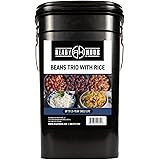
Ready Hour Beans Trio with Rice Kit Bucket (100 Servings) Survival Beans and Rice, Survival Food Storage, Emergency Preparedness Food, Prepper, Easy Prep, 30-Year Shelf Life
$64.95 (as of March 26, 2026 23:32 GMT -04:00 - More infoProduct prices and availability are accurate as of the date/time indicated and are subject to change. Any price and availability information displayed on [relevant Amazon Site(s), as applicable] at the time of purchase will apply to the purchase of this product.)
AquaPodKit Made in USA - Emergency Bathtub Water Storage Bladder 65-100 Gallon Capacity - BPA Free- Food Grade Materials - Hurricane Disaster Preparedness Supply - Family Survival Supply (Bag)
$32.95 (as of March 26, 2026 23:32 GMT -04:00 - More infoProduct prices and availability are accurate as of the date/time indicated and are subject to change. Any price and availability information displayed on [relevant Amazon Site(s), as applicable] at the time of purchase will apply to the purchase of this product.)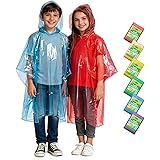
Hitituto Rain Ponchos Family Pack Kids– 6/12/24 Pack Disposable Poncho with Hood, Clear & Assorted Colors, Home Survival Kits
$9.99 (as of March 26, 2026 23:32 GMT -04:00 - More infoProduct prices and availability are accurate as of the date/time indicated and are subject to change. Any price and availability information displayed on [relevant Amazon Site(s), as applicable] at the time of purchase will apply to the purchase of this product.)
Emergency Food Ration Bars, Chocolate Flavor Survival Tabs Supply for Outdoor Camping Emergency Snowstorm Earthquake Disaster Preparedness Kit With Long Self Life 12 Count
$26.04 (as of March 26, 2026 23:32 GMT -04:00 - More infoProduct prices and availability are accurate as of the date/time indicated and are subject to change. Any price and availability information displayed on [relevant Amazon Site(s), as applicable] at the time of purchase will apply to the purchase of this product.)