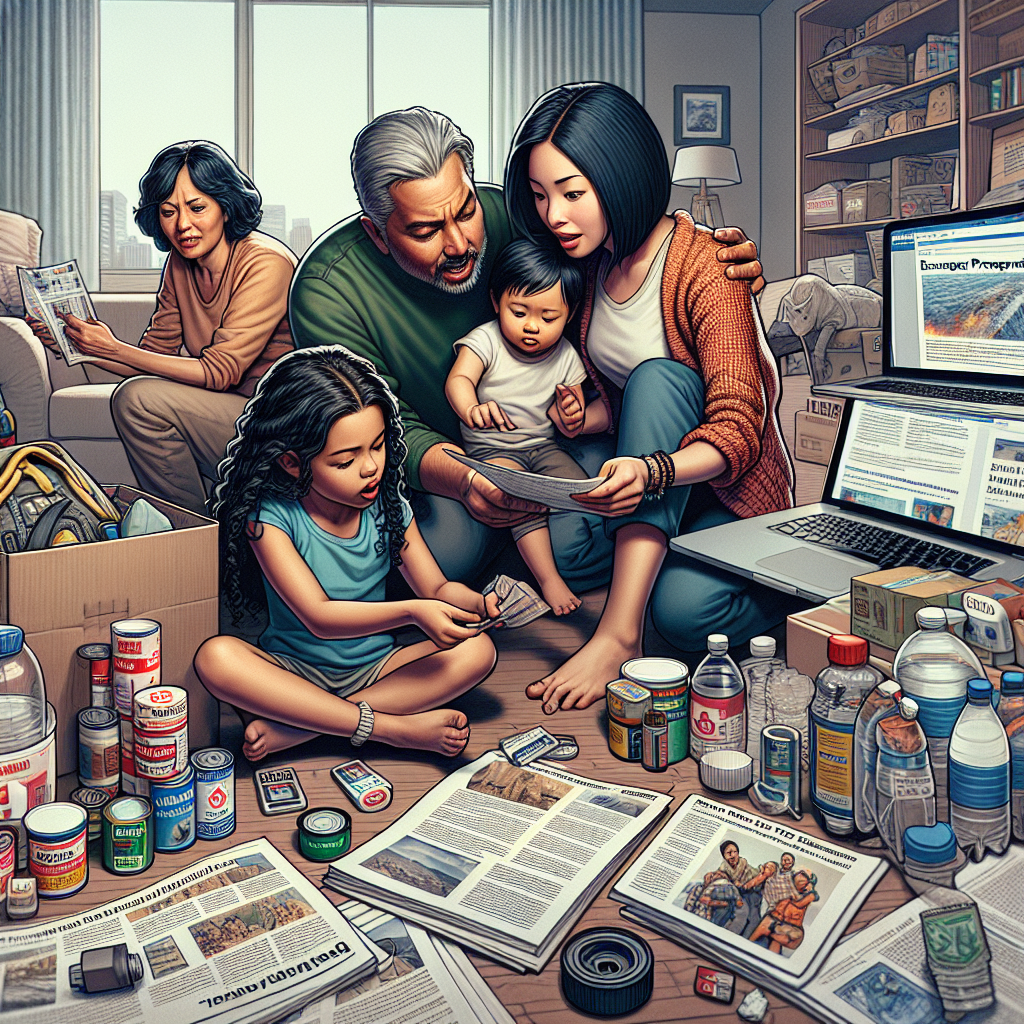
Safe ways to store water for long term emergencies involve careful selection of containers, treatment methods, and storage conditions. Food-grade plastic containers are ideal for this purpose, as they prevent leaching of harmful chemicals.
Proper storage conditions are equally crucial. Water should be kept in a cool, dark place, as exposure to sunlight can lead to algae growth and degradation of the container material. Regularly rotating your water supply—every six months to a year—is important to ensure freshness and prevent stagnation.
Choosing the Right Containers
When selecting containers for long-term water storage, opt for food-grade plastic or glass. These materials are less likely to leach chemicals into the water compared to regular plastic. Containers should be opaque to block out light, which can promote algae growth. Always ensure your containers are clean and sanitized before filling them with water.
Consider the size of the containers based on your needs. Smaller containers are easier to handle and can be rotated more frequently, while larger containers might be more efficient for bulk storage. Remember to label each container with the date of storage and the contents to keep track of freshness.
Water Treatment Techniques
Treating water before storage is critical to ensure its safety. Common methods include adding unscented household bleach at a ratio of 1/8 teaspoon per gallon of water, or using water purification tablets that are designed for emergency use. Allow the treated water to sit for at least 30 minutes to ensure effective disinfection.
Be aware that some contaminants, like heavy metals or certain chemicals, may not be eliminated through these methods. In such cases, consider using a water filter designed for emergency situations before storage. This proactive approach helps mitigate risks associated with long-term water storage.
Optimal Storage Conditions
For long-term storage, water should be kept in a cool, dark place away from direct sunlight. Ideal temperatures range between 50°F and 70°F (10°C to 21°C). Extreme temperatures can affect the integrity of the containers and the quality of the water.

Additionally, ensure that the storage area is free of chemicals and other contaminants that could seep into the water containers. Regularly check stored water for any signs of leaks or deterioration in the containers to maintain safety.
Common Mistakes to Avoid
One common mistake is using non-food-grade containers, which can contaminate the water. Another is neglecting to treat the water before storage, leading to potential health risks. Additionally, failing to rotate the water supply can result in stale, unsafe water.
Get Preparedness and Self-Reliance Tips. Subscribe Now!
It’s also crucial not to store water in areas with fluctuating temperatures, such as garages or attics, as this can compromise the water quality. Educating yourself about proper storage techniques can greatly enhance your preparedness for emergencies.
Further Reading
Authoritative Sources
- Emergency Water Supply
cdc.govCDCThis source provides detailed guidelines on emergency water supply and treatment methods
- Water Supply in Emergencies
redcross.orgRed CrossOffers practical advice on how to store water safely and effectively for emergencies
Frequently Asked Questions
How long can water be stored for?
Water can be stored indefinitely if kept in proper conditions, but it’s recommended to rotate it every six months to ensure freshness.
Is tap water safe for long-term storage?
Yes, tap water is safe for long-term storage if treated properly with purification methods before storage.
What containers are best for water storage?
Food-grade plastic or glass containers are best for water storage as they do not leach harmful substances.
How much water should I store for emergencies?
It is recommended to store at least one gallon of water per person per day for at least three days for emergencies.
Can I store water in a bathtub?
While it is possible to fill a bathtub with water for emergencies, it should not be relied upon as a long-term storage solution.
Conclusion
In summary, storing water safely for long-term emergencies requires careful planning and execution. Selecting the right containers, treating the water appropriately, and ensuring optimal storage conditions are crucial steps. Regularly rotating your water supply and avoiding common mistakes will help maintain water quality. By following these guidelines, you can ensure that you and your family have access to safe drinking water during emergencies.
Get Preparedness and Self-Reliance Tips. Subscribe Now!
Related Content
- Empower Yourself with These Crucial Elderly Disaster Planning Tips for Peace of Mind
- Top Mistakes New Preppers Make and Avoid
- The Ultimate Guide to 2025 Preparedness Kit for Family: 10 Effective Tips
- How to Protect Your Property from Severe Weather
- What is the best way to secure my home during a disaster?

Borogo 4/6/12 Pack Disposable Rain Ponchos Family Pack for Adults - Emergency Rain Ponchos for Women and Men
$6.99 (as of March 24, 2026 23:04 GMT -04:00 - More infoProduct prices and availability are accurate as of the date/time indicated and are subject to change. Any price and availability information displayed on [relevant Amazon Site(s), as applicable] at the time of purchase will apply to the purchase of this product.)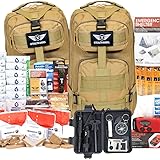
Stealth Angel Survival - 72 Hour Family Emergency Kit - 1-5 Person Survival Bag for Earthquakes, Hurricanes, and Other Natural Disasters
Now retrieving the price.
(as of March 24, 2026 23:04 GMT -04:00 - More infoProduct prices and availability are accurate as of the date/time indicated and are subject to change. Any price and availability information displayed on [relevant Amazon Site(s), as applicable] at the time of purchase will apply to the purchase of this product.)
Emergency Food Supply - Chocolate Survival Ration - 20 Years Shelf Life - 1 Day
$9.95 (as of March 24, 2026 23:04 GMT -04:00 - More infoProduct prices and availability are accurate as of the date/time indicated and are subject to change. Any price and availability information displayed on [relevant Amazon Site(s), as applicable] at the time of purchase will apply to the purchase of this product.)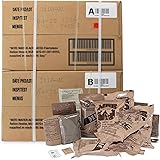
Wornick Sopacko, Ameriqual MRE Meals Ready to Eat Inspection dates 2025 or 2026 or Better , Emergency Food Supply, Survival Camping Outdoor (INSPECTION DATE IS NOT EXPIRATION DATE) 12 Pack(A & B Case Bundle, 2, Count)
$86.49 (as of March 24, 2026 23:04 GMT -04:00 - More infoProduct prices and availability are accurate as of the date/time indicated and are subject to change. Any price and availability information displayed on [relevant Amazon Site(s), as applicable] at the time of purchase will apply to the purchase of this product.)