Prepping for medical emergencies is an essential aspect of ensuring your family’s safety and well-being. Did you know that nearly 1 in 5 Americans will experience a medical emergency in their lifetime? This statistic emphasizes the need for proper preparation, as being caught off guard during a crisis can lead to severe consequences. By understanding the fundamentals of prepping for medical emergencies, you can equip yourself with the knowledge and tools necessary to respond effectively when time is of the essence.
The reality is that emergencies can occur at any moment, whether it’s a sudden illness, an accident, or a natural disaster. Therefore, prepping for medical emergencies involves not only gathering supplies but also understanding how to use them effectively. In this comprehensive guide, we will explore the various aspects of preparing for medical situations, empowering you with the confidence to act decisively in the face of adversity.
Understanding the Importance of Prepping for Medical Emergencies
Recognizing the importance of prepping for medical emergencies is the first step in ensuring safety. Here are several key reasons why this preparation matters:
1. **Immediate Response**: The time it takes to get professional help can be critical. Being prepared allows you to take immediate action.
2. **Reduced Panic**: Knowing what to do in a medical crisis helps to reduce panic and anxiety, allowing for a more rational response.
3. **Family Safety**: In a household, ensuring that everyone knows emergency procedures can save lives and prevent injuries.
4. **Community Resilience**: Prepared individuals contribute to the overall resilience of communities during widespread emergencies.

Furthermore, prepping for medical emergencies means understanding the specific risks associated with your environment, lifestyle, and personal health. For instance, families with pets may need additional considerations, such as pet first aid kits.
Types of Medical Emergencies to Prepare For
Being aware of the types of emergencies you may face is crucial. Here are common scenarios to consider when prepping for medical emergencies:
– **Cardiac Arrest**: Knowing CPR can be a life-saver.
– **Severe Allergic Reactions**: Carrying an epinephrine auto-injector if you or a family member has known allergies.
– **Cuts and Lacerations**: Understanding when to apply pressure and when to seek medical help.
– **Burns**: Knowing the proper steps for treatment and when to seek professional care.
Each of these situations requires a different approach and preparation strategy, which is why understanding the landscape of potential emergencies is essential.
Essential Supplies for Prepping for Medical Emergencies
When it comes to prepping for medical emergencies, having the right supplies readily available can make all the difference. Below are categories of essential supplies you should consider:
First Aid Kit Basics
A well-stocked first aid kit is a cornerstone of prepping for medical emergencies. Here’s what to include:
– Adhesive bandages of various sizes
– Sterile gauze pads and adhesive tape
– Antiseptic wipes and ointments
– Tweezers and scissors
– Pain relievers (e.g., acetaminophen, ibuprofen)
– Instant cold packs
– Elastic bandages for sprains
Make sure to regularly check your kit and replace any expired items.
Special Considerations for Individual Needs
Everyone has unique health considerations. Here are some additional items you may need based on individual circumstances:
– **Prescription Medications**: Always keep a supply of essential medications.
– **Allergy Medications**: Antihistamines and inhalers for asthma sufferers.
– **Diabetic Supplies**: Insulin, glucose monitors, and snacks for low blood sugar.
Being prepared means accounting for every family member’s specific needs when prepping for medical emergencies.
Step-by-Step Guide to Prepping for Medical Emergencies
Creating a structured plan can significantly enhance your readiness. Here’s a practical step-by-step guide for prepping for medical emergencies:
1. **Assess Your Risks**: Evaluate the potential medical emergencies pertinent to your home and lifestyle.
2. **Gather Supplies**: Start collecting the items listed in your first aid kit and ensure they are easily accessible.
3. **Create an Emergency Plan**: Write down procedures for various scenarios, including who to contact and where to go for help.
4. **Educate Your Family**: Make sure everyone knows how to use the supplies and understand the emergency plan.
5. **Practice Regularly**: Conduct drills to reinforce the knowledge and ensure everyone is familiar with their roles.
Following these steps will provide a solid foundation for your emergency preparedness.
Training and Skills for Effective Emergency Response
While having supplies is crucial, the knowledge of how to use them effectively is equally important. Here are ways to enhance your skills in prepping for medical emergencies:
First Aid and CPR Training
Consider enrolling in certified first aid and CPR courses. These classes provide hands-on training and can be invaluable during emergencies. Many organizations, including the American Red Cross, offer accessible programs.
Online Resources and Workshops
In addition to formal training, many online resources and workshops can supplement your knowledge. Websites like the CDC and WHO provide valuable information on managing medical emergencies.
References and Resources
These resources provide valuable information about prepping for medical emergencies. Check them out for additional insights:
Authoritative Sources on prepping for medical emergencies
-
American Red Cross – Emergency Preparedness
redcross.orgOffers comprehensive guidance on preparing for various emergencies, including first aid resources.
-
CDC – Emergency Preparedness
cdc.govThe Centers for Disease Control and Prevention detail the importance of preparedness and provide actionable tips.
-
National Safety Council – Emergency Preparedness
nsc.orgProvides resources and information on how to prepare for emergencies in everyday life.
-
American Red Cross – Learning Center
redcross.orgAccess to various first aid and CPR courses, both online and in-person.
-
FEMA – Emergency Management
fema.govFederal Emergency Management Agency’s resources for emergency planning and response.
-
Mayo Clinic – First Aid Kit Essentials
mayoclinic.orgGuidelines on what to include in a first aid kit and how to use the items effectively.
Get Preparedness and Self-Reliance Tips. Subscribe Now!
-
WHO – Emergency Preparedness
who.intWorld Health Organization resources on global emergency preparedness strategies.
-
Psychology Today – Preparing for Medical Emergencies
psychologytoday.comA discussion on the psychological aspects of medical emergency preparedness, especially for the elderly.
Frequently Asked Questions
What is the first step in prepping for medical emergencies?
The first step in prepping for medical emergencies is to assess your risks and understand the types of emergencies that may occur in your environment. This helps you tailor your emergency kits and response plans accordingly.
How can I ensure my family is prepared for medical emergencies?
To ensure your family is prepared, create a detailed emergency plan and conduct regular drills. Include everyone in the preparation process, making sure each family member understands their role and knows how to use the emergency supplies.
What should be included in a first aid kit for prepping for medical emergencies?
A well-stocked first aid kit should include adhesive bandages, sterile gauze, antiseptic wipes, pain relievers, and any personal medications. Tailor the kit based on individual health needs and regularly check for expired items.
How often should I review my emergency preparedness plan?
Your emergency preparedness plan should be reviewed at least once a year or whenever there are significant changes in your family’s health or living situation. Regular updates ensure that everyone is aware of the latest procedures and supplies.
Conclusion
Prepping for medical emergencies is not just a safety measure; it is a proactive approach to safeguarding your loved ones. By understanding the types of emergencies, gathering essential supplies, and educating yourself and your family, you can significantly increase your readiness for any situation.
As you embark on your journey of prepping for medical emergencies, remember that knowledge is just as important as supplies. Equip yourself with the skills and confidence to act decisively during crises, and you’ll unlock peace of mind knowing you’re prepared for whatever may come your way. Start today, and take the first step toward a safer tomorrow.
Related Content
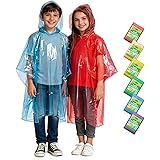
Hitituto Rain Ponchos Family Pack Kids– 6/12/24 Pack Disposable Poncho with Hood, Clear & Assorted Colors, Home Survival Kits
$9.99 (as of March 31, 2026 03:01 GMT -04:00 - More infoProduct prices and availability are accurate as of the date/time indicated and are subject to change. Any price and availability information displayed on [relevant Amazon Site(s), as applicable] at the time of purchase will apply to the purchase of this product.)
3 Pack 40 Gallon Water Storage Bladder, Heavy Duty Food-Grade Plastic Bag, BPA-Free, Foldable and Resuable. Ideal for Emergency Water Bank, Camping, Gardening & Agricultural Irrigation
$29.99 (as of March 31, 2026 03:01 GMT -04:00 - More infoProduct prices and availability are accurate as of the date/time indicated and are subject to change. Any price and availability information displayed on [relevant Amazon Site(s), as applicable] at the time of purchase will apply to the purchase of this product.)
Ready Hour 120 Serving Entree Bucket-Freeze Dried Emergency Food Supply-Survival Meals with Long Shelf Life-Prepper Essentials for Disaster, Camping, Hiking, or Outdoor Use
$139.99 (as of March 31, 2026 03:01 GMT -04:00 - More infoProduct prices and availability are accurate as of the date/time indicated and are subject to change. Any price and availability information displayed on [relevant Amazon Site(s), as applicable] at the time of purchase will apply to the purchase of this product.)
Dehydrated Spinach Flakes Emergency Food Supply, 45 Servings, 25 Year Shelf Life, 15 Calories per Serving - Dehydrated Meals, Survival Food Camping Essentials Can
$14.28 (as of March 31, 2026 03:01 GMT -04:00 - More infoProduct prices and availability are accurate as of the date/time indicated and are subject to change. Any price and availability information displayed on [relevant Amazon Site(s), as applicable] at the time of purchase will apply to the purchase of this product.)