In today’s fast-paced world, mastering non perishable food storage is essential for maintaining a well-stocked pantry and ensuring food safety. Knowing how to store non perishable items properly can extend their shelf life and save you money in the long run. With the right techniques, you can enjoy your favorite foods without worrying about spoilage.
Non perishable food storage involves keeping items that do not require refrigeration, such as canned goods, dry grains, and dehydrated products, in optimal conditions. This article will explore effective methods for non perishable food storage, best practices to follow, and common pitfalls to avoid. Let’s dive into the world of non perishable food storage to ensure your food remains fresh and safe for consumption.
Understanding Non Perishable Food Storage
What Are Non Perishable Foods?

Non perishable foods are items that can be stored for extended periods without refrigeration. These foods typically have low moisture content and are less susceptible to spoilage. Common examples include:
– Canned vegetables and fruits
– Dried beans and legumes
– Pasta and rice
– Cereals and grains
– Powdered milk and instant potatoes
Understanding what constitutes non perishable foods is the first step toward effective non perishable food storage. These items are not only convenient but also essential for emergency preparedness and meal planning.

The Importance of Proper Storage
Proper storage of non perishable foods is crucial for several reasons:
– **Safety**: Prevents contamination and foodborne illnesses.
– **Quality**: Maintains taste, texture, and nutritional value.
– **Cost-effectiveness**: Reduces waste and saves money by maximizing shelf life.
By investing time in learning about non perishable food storage, you can create a safe and efficient pantry that meets your needs.
Best Practices for Non Perishable Food Storage
Optimal Storage Conditions
To ensure your non perishable foods remain fresh, consider the following storage conditions:
– **Temperature**: Store in a cool, dry place away from direct sunlight. Ideal temperatures range from 50°F to 70°F (10°C to 21°C).
– **Humidity**: Keep humidity levels low to prevent mold growth. Aim for a humidity level below 15%.
– **Containers**: Use airtight containers to protect against pests and moisture.
Following these practices can significantly enhance the quality of your non perishable food storage.
Labeling and Rotation
Implementing a system for labeling and rotating your non perishable items is vital. Here’s how to do it effectively:
1. **Label**: Clearly mark containers with the contents and expiration dates.
2. **First In, First Out (FIFO)**: Always use older items first to avoid having to throw away expired food.
3. **Inventory Check**: Regularly check your pantry and update your inventory.
By organizing your non perishable food storage this way, you can minimize waste and ensure you’re always consuming fresh products.
Common Mistakes in Non Perishable Food Storage
Ignoring Expiration Dates
One of the most common mistakes is overlooking the expiration dates of non perishable items. While many foods can last beyond their “best by” dates, it’s essential to regularly check and replace items that are approaching expiration to maintain quality.
Inadequate Sealing
Another frequent error is failing to seal containers properly. Make sure that all containers are airtight to prevent moisture and pests from compromising your food. This simple step is critical for effective non perishable food storage.
Innovative Techniques for Non Perishable Food Storage
Vacuum Sealing
Vacuum sealing is an excellent method for extending the life of non perishable foods. By removing air, you can significantly reduce oxidation and spoilage. This technique is particularly effective for items like grains, nuts, and dried fruits.
Using Mylar Bags
Mylar bags are another innovative solution for non perishable food storage. These bags provide an exceptional barrier to moisture, light, and oxygen, making them perfect for long-term storage. Here’s how to use them:
1. Fill the Mylar bag with your chosen food item.
2. Add oxygen absorbers to enhance preservation.
3. Seal the bag with a heat sealer.
This method can help you keep your non perishable items fresh for years.
References and Resources
These resources provide valuable information about non perishable food storage. Check them out for additional insights:
Authoritative Sources on non perishable food storage
-
Food Safety and Inspection Service
FSIS.USDA.govOffers guidelines on food safety, including the proper storage of non perishable foods.
-
National Agricultural Library
NAL.USDA.govProvides research and resources on food preservation techniques, including non perishable items.
-
Centers for Disease Control and Prevention
CDC.govComprehensive resource for food safety practices, including those related to non perishable storage.
-
FoodSafety.gov
Foodsafety.govA government site that provides essential information on food storage and safety.
-
Academy of Nutrition and Dietetics
Eatright.orgOffers expert advice on nutrition and food storage practices, including non perishable items.
Get Preparedness and Self-Reliance Tips. Subscribe Now!
-
Purdue Extension
Purdue.eduProvides educational resources on food preservation and storage techniques.
-
National Center for Home Food Preservation
Foodpreservation.orgA valuable resource for information on food preservation methods, including non perishable storage.
-
Canning Pantry
Canningpantry.comOffers tools and tips for canning and preserving non perishable foods effectively.
Frequently Asked Questions
What are the best containers for non perishable food storage?
For optimal non perishable food storage, consider using airtight containers made of glass, plastic, or metal. These materials help protect against moisture and pests, ensuring your food remains fresh for longer periods.
How long can non perishable foods be stored?
The shelf life of non perishable foods varies by type. Generally, canned goods can last 2 to 5 years, while dry foods like rice and pasta can last indefinitely if stored correctly. Always check the expiration dates and store under proper conditions for best results.
Can I freeze non perishable foods?
Freezing is not necessary for most non perishable items, as they are designed to be stored at room temperature. However, some items like nuts can benefit from freezing to extend their freshness. Just make sure to use airtight packaging to prevent freezer burn.
What is the best way to organize non perishable food storage?
To effectively organize your non perishable food storage, use clear bins or labeled containers. Group similar items together, and implement a FIFO system to ensure older products are used first. Regularly check your inventory to keep it current.
What are some innovative techniques for long-term non perishable food storage?
Innovative techniques include vacuum sealing and using Mylar bags with oxygen absorbers. These methods can significantly extend the shelf life of non perishable foods while maintaining their quality.
Conclusion
Mastering non perishable food storage is not just a skill; it’s an essential part of maintaining a healthy and cost-effective pantry. By understanding the principles of proper storage, avoiding common mistakes, and employing innovative techniques, you can ensure that your non perishable items remain fresh and safe for consumption.
Take action today by reviewing your pantry and implementing these strategies. A well-organized approach to non perishable food storage will benefit you in the long run, providing peace of mind and delicious meals for you and your family.
Related Content

Emergency Food Ration Bars, Chocolate Flavor Survival Tabs Supply for Outdoor Camping Emergency Snowstorm Earthquake Disaster Preparedness Kit With Long Self Life 12 Count
$26.04 (as of March 31, 2026 03:01 GMT -04:00 - More infoProduct prices and availability are accurate as of the date/time indicated and are subject to change. Any price and availability information displayed on [relevant Amazon Site(s), as applicable] at the time of purchase will apply to the purchase of this product.)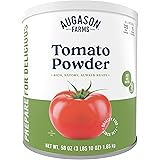
Tomato Powder Can Emergency Food Supply, 329 Servings, 25 Year Shelf Life, Made with Real Tomatoes - Dry Tomato Powder Blend, Ingredient for Cooking and Food Preparation
$44.99 (as of March 31, 2026 03:01 GMT -04:00 - More infoProduct prices and availability are accurate as of the date/time indicated and are subject to change. Any price and availability information displayed on [relevant Amazon Site(s), as applicable] at the time of purchase will apply to the purchase of this product.)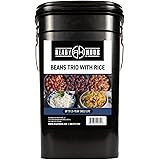
Ready Hour Beans Trio with Rice Kit Bucket (100 Servings) Survival Beans and Rice, Survival Food Storage, Emergency Preparedness Food, Prepper, Easy Prep, 30-Year Shelf Life
$114.99 (as of March 31, 2026 03:01 GMT -04:00 - More infoProduct prices and availability are accurate as of the date/time indicated and are subject to change. Any price and availability information displayed on [relevant Amazon Site(s), as applicable] at the time of purchase will apply to the purchase of this product.)
AquaPodKit Made in USA - Emergency Bathtub Water Storage Bladder 65-100 Gallon Capacity - BPA Free- Food Grade Materials - Hurricane Disaster Preparedness Supply - Family Survival Supply (Bag)
$32.95 (as of March 31, 2026 03:01 GMT -04:00 - More infoProduct prices and availability are accurate as of the date/time indicated and are subject to change. Any price and availability information displayed on [relevant Amazon Site(s), as applicable] at the time of purchase will apply to the purchase of this product.)