
Alternative heating sources, such as wood stoves, propane heaters, or even candles, can provide necessary warmth. However, safety must be your priority; ensure proper ventilation to prevent carbon monoxide buildup and never use outdoor heating devices indoors. Focus on layering your clothing, as wearing multiple layers traps heat more effectively than a single heavy garment.
Insulating Your Home Effectively
To maximize warmth, start by insulating your home. Close off unused rooms and cover windows with heavy curtains or blankets to prevent drafts. Seal gaps around doors and windows with towels or duct tape to keep cold air out.
Consider using cardboard or foam boards to insulate windows further. These materials can be placed over windows to create an extra layer of insulation. Remember, maintaining a smaller, heated area will conserve warmth better than trying to heat a larger space.
Alternative Heating Options
Using alternative heating sources can significantly improve your comfort during power outages. Wood stoves and fireplaces are excellent options if you have them available. Ensure your chimney is clean and free of obstructions to avoid smoke buildup.
If you opt for propane or kerosene heaters, make sure they are designed for indoor use. Safety is paramount, so keep a battery-operated carbon monoxide detector nearby and regularly check its functionality. Always follow manufacturer instructions and guidelines for any heating source.
Essential Supplies for Staying Warm
Having essential supplies on hand can make a significant difference in your comfort level during an outage. Stock up on warm blankets, sleeping bags, and insulated clothing. Hand warmers can also provide immediate relief when temperatures drop.
Consider non-electric heating options, such as thermal mass heaters, which can retain and radiate heat effectively. Items like hot water bottles can also be filled and used to warm beds or clothing.

Safety Precautions for Heating
While heating your space, prioritize safety to prevent accidents. Never use outdoor heating devices indoors, and avoid leaving any heating element unattended. Ensure proper ventilation for any combustion-based heating.
It’s also wise to have a fire extinguisher accessible in case of emergencies. Regularly check smoke detectors and carbon monoxide detectors to ensure they are functioning, as these can save lives during power outages.
Further Reading
Authoritative Sources
- Ready.gov
ready.govOfficial U.S. preparedness guidance, checklists, and planning resources for households and emergencies.
- FEMA
fema.govFederal emergency management resources, disaster planning information, and recovery guidance.
- American Red Cross Emergency Preparedness
redcross.orgPractical emergency preparation steps, supply lists, and safety guidance for families.
- National Weather Service
weather.govOfficial forecasts, hazard alerts, and weather safety information.
- CDC Emergency Preparedness and Response
cdc.govPublic health guidance for emergencies, disasters, and recovery situations.
Frequently Asked Questions
What are the best ways to insulate a room during a power outage?
The best ways to insulate a room include closing off unused spaces, using heavy curtains, sealing drafts with towels, and covering windows with cardboard or foam boards.
Can I use my gas stove for heating during an outage?
Using a gas stove for heating is not recommended due to the risk of carbon monoxide buildup. It’s safer to use designated indoor heating appliances.
How can I create a warm sleeping area without power?
Create a warm sleeping area by layering blankets, using sleeping bags, and placing hot water bottles in your bed before sleeping. Insulating the room also helps.
What safety measures should I take when using a kerosene heater?
When using a kerosene heater, ensure it is rated for indoor use, keep it on a stable surface, and never leave it unattended. Ensure ventilation to avoid carbon monoxide buildup.
What should I do if I start feeling cold symptoms?
If you start feeling cold symptoms, such as shivering or numbness, seek warmth immediately by layering clothing, using blankets, or moving to a smaller insulated space.
Related Content

Tomato Powder Can Emergency Food Supply, 329 Servings, 25 Year Shelf Life, Made with Real Tomatoes - Dry Tomato Powder Blend, Ingredient for Cooking and Food Preparation
$33.44 (as of March 30, 2026 02:34 GMT -04:00 - More infoProduct prices and availability are accurate as of the date/time indicated and are subject to change. Any price and availability information displayed on [relevant Amazon Site(s), as applicable] at the time of purchase will apply to the purchase of this product.)
4Patriots 4-Week Survival Food Kit: Emergency Food Supply Designed to Last 25 Years, 192 Servings
$257.00 (as of March 30, 2026 02:34 GMT -04:00 - More infoProduct prices and availability are accurate as of the date/time indicated and are subject to change. Any price and availability information displayed on [relevant Amazon Site(s), as applicable] at the time of purchase will apply to the purchase of this product.)
Emergency Food Ration Bars, Chocolate Flavor Survival Tabs Supply for Outdoor Camping Emergency Snowstorm Earthquake Disaster Preparedness Kit With Long Self Life 12 Count
$26.04 (as of March 30, 2026 02:34 GMT -04:00 - More infoProduct prices and availability are accurate as of the date/time indicated and are subject to change. Any price and availability information displayed on [relevant Amazon Site(s), as applicable] at the time of purchase will apply to the purchase of this product.)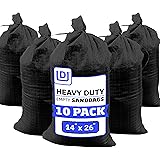
DURASACK Heavy Duty Sand Bags with Tie Strings Empty Woven Polypropylene Sand-Bags for Flood Control with 1600 Hours of UV Protection, 50 lbs Capacity, 14x26 inches, Black, Pack of 10
$9.85 (as of March 30, 2026 02:34 GMT -04:00 - More infoProduct prices and availability are accurate as of the date/time indicated and are subject to change. Any price and availability information displayed on [relevant Amazon Site(s), as applicable] at the time of purchase will apply to the purchase of this product.)