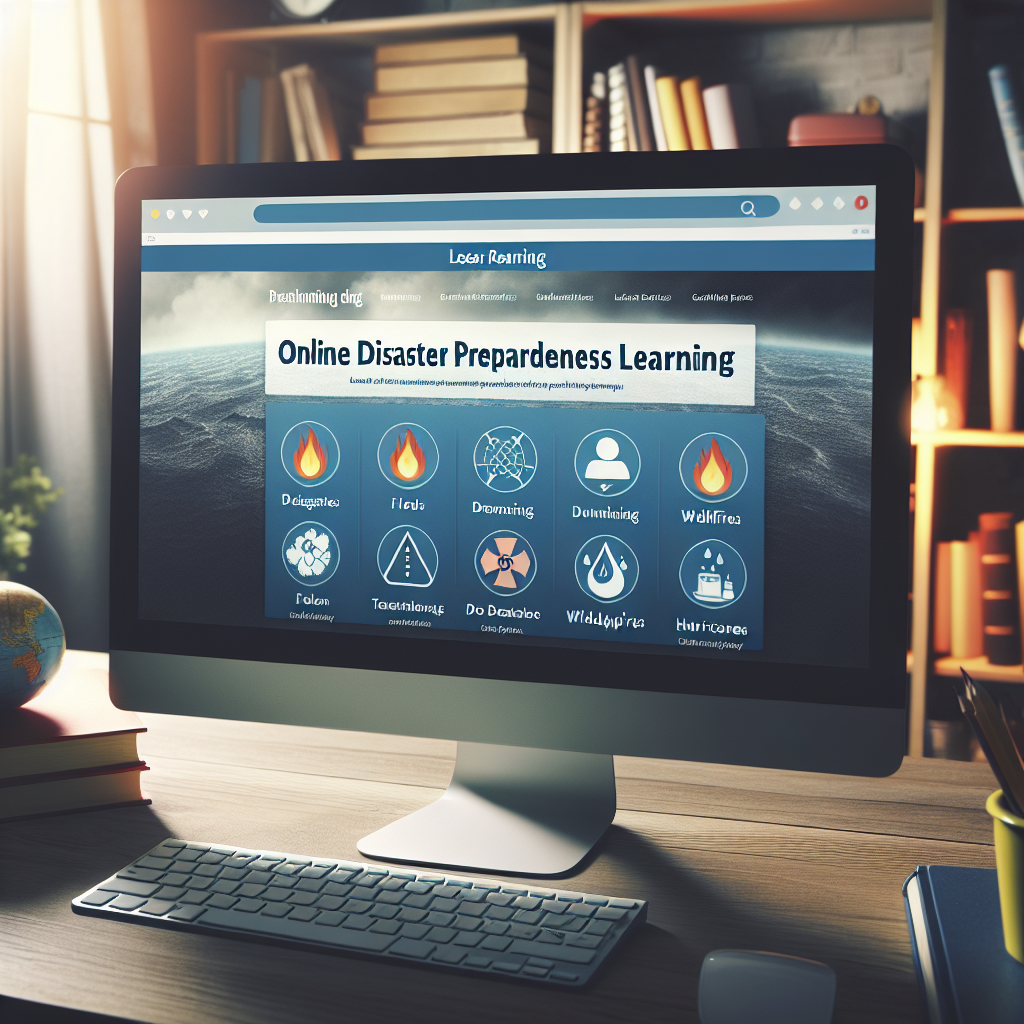
The real challenge isn't understanding how to prep without fear: embrace confidence in your preparedness journey — it's what happens when small oversights, weak priorities, or real-world constraints start compounding.
Prepping without fear involves cultivating a mindset that prioritizes confidence over anxiety. The first step is to recognize that preparedness is a journey, not a destination. It’s about making informed decisions, understanding your unique circumstances, and gradually building your skills and resources. Instead of becoming overwhelmed by the potential for disaster, focus on what you can control, and take proactive steps to mitigate risks.
Common pitfalls include getting bogged down by information overload or focusing too much on worst-case scenarios. Many individuals assume that they need to have everything perfectly in place before they can begin; however, this mindset can lead to paralysis. Instead, prioritize small, manageable tasks and celebrate your progress. Understand that every step you take contributes to your overall preparedness, and it’s okay to start small.
Understanding Your Unique Needs
This matters more than it seems because weak decisions here usually create bigger downstream problems. Every individual’s preparedness needs are shaped by their environment, lifestyle, and personal circumstances. A family in a suburban area will have different priorities than someone living in a rural setting. Begin by assessing your specific risks, including natural disasters, economic disruptions, or personal health concerns. Understanding these factors helps you prioritize what to prepare for and why it matters.
A common mistake is assuming that one-size-fits-all solutions apply to everyone. A smart reader should focus on their immediate concerns and develop a tailored approach. This might involve engaging with local community resources or connecting with neighbors to share insights and strategies. By understanding your unique needs, you can build a more effective and focused preparedness strategy.
Building a Practical Plan
This matters more than it seems because weak decisions here usually create bigger downstream problems. A practical plan is the backbone of effective preparedness. It should be actionable, flexible, and realistic. Start by outlining your goals, such as creating a food supply, establishing communication channels, or learning essential skills. Break these goals into smaller tasks that can be scheduled over time, allowing you to make steady progress without feeling overwhelmed.
Many people struggle with the scope of their plans, leading to unrealistic expectations. Prioritize tasks based on urgency and importance, and be willing to adjust your plan as circumstances change. A well-structured plan should evolve with your needs and capabilities, allowing you to adapt to new challenges and opportunities.
Essential Supplies and Resources
This matters more than it seems because weak decisions here usually create bigger downstream problems. When it comes to supplies, focus on quality over quantity. Essential items may include food, water, first aid kits, and communication devices. Instead of trying to stockpile everything at once, identify the most critical items based on your assessment of risks and your plan. This approach helps prevent waste and ensures that you are investing in the supplies that matter most.

Additionally, consider the trade-offs involved in your selections. For example, pre-packaged meals offer convenience, but they may be more expensive than bulk ingredients. Understanding these trade-offs allows you to make informed decisions that align with your budget and preparedness goals. Always seek out reliable resources and guides to help you navigate these choices effectively.
Get Preparedness and Self-Reliance Tips. Subscribe Now!
Embracing a Growth Mindset
This matters more than it seems because weak decisions here usually create bigger downstream problems. Prepping is not a destination; it’s a continuous learning process. Embracing a growth mindset allows you to see challenges as opportunities for improvement. Engage with community resources, attend workshops, and participate in training sessions. Each experience will enhance your confidence and competence, reducing fear and anxiety.
Many individuals fear making mistakes or lacking knowledge. It’s essential to recognize that everyone starts somewhere, and learning from mistakes is a valuable part of the journey. Celebrate your progress and remain open to adapting your approach as you gain new insights. This mindset shift can transform your preparedness journey from a source of fear into an empowering adventure.
Further Reading
This matters more than it seems because weak decisions here usually create bigger downstream problems. For those interested in exploring more about effective preparedness strategies, consider checking out reputable resources such as government emergency management websites, local community preparedness programs, and trusted survival blogs. Engaging with these materials can provide additional insights and broaden your understanding of how to prep without fear.
Frequently Asked Questions
What should be my first step in prepping?
Your first step should be assessing your unique risks and needs to create a tailored preparedness plan.
How can I manage my budget while prepping?
Focus on essential supplies first, prioritize quality over quantity, and consider bulk purchases for savings.
Is it necessary to have a large stockpile of supplies?
No, it’s more important to have the right supplies tailored to your needs rather than a large quantity of unnecessary items.
How do I overcome fear while prepping?
Focus on gradual progress, celebrate small victories, and embrace the learning process as part of your journey.
Can I prep alone, or should I involve others?
While you can prep alone, involving others can provide support, shared resources, and diverse perspectives.
Conclusion
This matters more than it seems because weak decisions here usually create bigger downstream problems. Prepping without fear is about empowering yourself with knowledge, resources, and a supportive mindset. By understanding your unique needs, building a practical plan, and embracing continuous learning, you can navigate your preparedness journey with confidence. Start small, prioritize effectively, and remember that every step you take is a step toward greater resilience and peace of mind.
Get Preparedness and Self-Reliance Tips. Subscribe Now!
Related Content
- The Best Ways to Protect Your Family from Cyber Threats
- Stay Ready for Emergencies: Unlock Peace of Mind with Smart Preparedness Strategies
- How to Prepare for Floods: The Ultimate Guide
- Advanced Strategies for Urban Survival Situations
- The Ultimate Guide to the 2025 Bug Out Bag Checklist: 10 Effective Tips
Flood Hero 6 ft Water Activated Sandbags - 2 Pack Flood Bag Barriers for Home
$24.99 (as of March 18, 2026 19:03 GMT -04:00 - More infoProduct prices and availability are accurate as of the date/time indicated and are subject to change. Any price and availability information displayed on [relevant Amazon Site(s), as applicable] at the time of purchase will apply to the purchase of this product.)
4Patriots 4-Week Survival Food Kit: Emergency Food Supply Designed to Last 25 Years, 192 Servings
$257.00 (as of March 18, 2026 19:03 GMT -04:00 - More infoProduct prices and availability are accurate as of the date/time indicated and are subject to change. Any price and availability information displayed on [relevant Amazon Site(s), as applicable] at the time of purchase will apply to the purchase of this product.)
AquaPodKit Made in USA - Emergency Bathtub Water Storage Bladder 65-100 Gallon Capacity - BPA Free- Food Grade Materials - Hurricane Disaster Preparedness Supply - Family Survival Supply (Box)
$39.99 (as of March 18, 2026 19:03 GMT -04:00 - More infoProduct prices and availability are accurate as of the date/time indicated and are subject to change. Any price and availability information displayed on [relevant Amazon Site(s), as applicable] at the time of purchase will apply to the purchase of this product.)
Ready Hour 120 Serving Entree Bucket-Freeze Dried Emergency Food Supply-Survival Meals with Long Shelf Life-Prepper Essentials for Disaster, Camping, Hiking, or Outdoor Use
$119.95 (as of March 18, 2026 19:03 GMT -04:00 - More infoProduct prices and availability are accurate as of the date/time indicated and are subject to change. Any price and availability information displayed on [relevant Amazon Site(s), as applicable] at the time of purchase will apply to the purchase of this product.)