
The real challenge isn't understanding unlocking rural preparedness: proven strategies on how to prep in rural areas — it's what happens when small oversights, weak priorities, or real-world constraints start compounding.
Many people assume that standard urban preparedness plans will suffice in rural settings; however, this often leads to critical oversights. For instance, while cities might have regular access to emergency services, rural areas may face longer response times and limited availability of professional assistance. Therefore, it’s crucial to think through what resources are available locally, how to leverage them, and what alternatives can be put in place.
Understanding the Unique Challenges of Rural Preparedness
This matters more than it seems because weak decisions here usually create bigger downstream problems. Rural environments present distinct challenges that can complicate emergency preparedness. The vast landscapes often lead to isolation, making it difficult for residents to access critical supplies and services. In addition, rural areas may lack the infrastructure found in urban settings, such as reliable transportation routes or emergency services. Understanding these challenges is the first step in developing a robust preparedness plan.
For instance, during an emergency, the time it takes for help to arrive can be significantly longer in rural areas. This reality necessitates that individuals and families prepare to be self-sufficient for extended periods. Consider factors such as local climate, terrain, and seasonal variations, as these can impact everything from food storage to transportation. Identifying local resources, such as nearby farms or community groups, can also be pivotal in establishing a supportive network.

Building a Sustainable Food and Water Supply
This matters more than it seems because weak decisions here usually create bigger downstream problems. A reliable food and water supply is foundational to any preparedness plan. In rural settings, where grocery stores may be far away, it’s essential to have a strategy for sourcing food and water. This might include growing your own vegetables, raising livestock, or storing non-perishable foods. Additionally, understanding local water sources and ensuring they are safe for consumption is crucial.
Many rural residents mistakenly believe that a few weeks’ worth of supplies will suffice. However, considering longer-term scenarios is wise. Investing in rainwater collection systems, filtration devices, and sustainable gardening practices can provide a more secure food and water supply. Prioritize crops that are climate-appropriate and consider preserving surplus harvests to mitigate shortages.
Creating Effective Communication Plans
This matters more than it seems because weak decisions here usually create bigger downstream problems. In emergencies, communication can often be disrupted, especially in rural areas where cell service may be unreliable. Establishing a clear communication plan is vital. This includes knowing how to reach family and neighbors, as well as keeping updated on local news and emergency alerts.
Many people overlook the importance of alternative communication methods. Consider investing in two-way radios, satellite phones, or community bulletin boards to share information when traditional networks fail. Regularly practicing emergency communication drills can also help ensure that everyone understands the plan and can act quickly when needed.

Establishing Community Networks for Support
This matters more than it seems because weak decisions here usually create bigger downstream problems. Rural communities often have tight-knit networks that can be invaluable during emergencies. Establishing these connections before a crisis can provide mutual aid and support when it’s needed most. Joining local preparedness groups or community organizations can facilitate information sharing and resource pooling.
Get Preparedness and Self-Reliance Tips. Subscribe Now!
Don’t underestimate the power of community skills. Local residents may have expertise in gardening, hunting, first aid, or other relevant areas that can enhance overall preparedness. Organizing community training sessions or workshops can build collective resilience and ensure that everyone is equipped to handle emergencies effectively.
Further Reading
Authoritative Sources
Frequently Asked Questions
What are the essential supplies for rural preparedness?
Key supplies include non-perishable food, clean water, first aid kits, tools for food production, and communication devices.
How can I assess my local risks?
Evaluate your area for natural hazards, such as floods or wildfires, and consider potential disruptions to services.
Is it necessary to have a community network?
Yes, a community network can provide essential support, resources, and shared knowledge during emergencies.
What should I include in my communication plan?
Your plan should detail how to contact family, neighbors, and local emergency services, along with alternative communication methods.
How can I ensure my food supply is sustainable?
Consider growing your own food, preserving harvests, and sourcing from local farms to create a sustainable food system.
Get Preparedness and Self-Reliance Tips. Subscribe Now!
Related Content

Cheese Sauce Mix Can Emergency Food Supply, 87 Servings, 10 Year Shelf Life - Shelf Stable Cheddar Cheese Powder Canned Food
$23.35 (as of March 20, 2026 20:10 GMT -04:00 - More infoProduct prices and availability are accurate as of the date/time indicated and are subject to change. Any price and availability information displayed on [relevant Amazon Site(s), as applicable] at the time of purchase will apply to the purchase of this product.)
Emergency Food Ration Bars, Chocolate Flavor Survival Tabs Supply for Outdoor Camping Emergency Snowstorm Earthquake Disaster Preparedness Kit With Long Self Life 12 Count
$37.99 (as of March 20, 2026 20:10 GMT -04:00 - More infoProduct prices and availability are accurate as of the date/time indicated and are subject to change. Any price and availability information displayed on [relevant Amazon Site(s), as applicable] at the time of purchase will apply to the purchase of this product.)
Dehydrated Chopped Onions Emergency Food Supply, 130 Servings, 25 Year Shelf Life, Great for Cooking and Baking - Dehydrated Meals, Survival Food Camping Essentials Can
$12.27 (as of March 20, 2026 20:10 GMT -04:00 - More infoProduct prices and availability are accurate as of the date/time indicated and are subject to change. Any price and availability information displayed on [relevant Amazon Site(s), as applicable] at the time of purchase will apply to the purchase of this product.)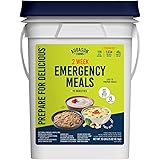
Augason Farms 2 Week 1 Person Emergency Food Supply
$74.38 (as of March 20, 2026 20:10 GMT -04:00 - More infoProduct prices and availability are accurate as of the date/time indicated and are subject to change. Any price and availability information displayed on [relevant Amazon Site(s), as applicable] at the time of purchase will apply to the purchase of this product.)