
Managing sanitation when water systems fail is critical to preventing public health crises. In the absence of reliable water supply, alternative sanitation methods must be adopted to ensure hygiene and minimize disease transmission.
Understanding the stakes involved is crucial. Waterborne diseases can spread rapidly in unsanitary conditions, leading to severe health implications. Common mistakes include neglecting the need for proper waste disposal and underestimating the importance of hygiene. Prioritizing sanitation during water system failures can help mitigate these risks and protect community health.
One frequent oversight is the assumption that sanitation can be ignored if water supply is limited. However, maintaining hygiene practices is essential even when water resources are scarce. Communities should focus on education about proper sanitation methods and the importance of cleanliness to combat potential outbreaks effectively.
Establishing Temporary Sanitation Facilities
To manage sanitation effectively, the first step is to establish temporary sanitation facilities. These can include portable toilets or designated areas for waste disposal. It is essential to ensure these facilities are easily accessible and maintained regularly to prevent overflow and contamination.

When setting up temporary sanitation facilities, consider the location and number needed based on the population density. Regular maintenance is crucial to avoid health hazards. Communities often overlook the need for frequent servicing, which can lead to unsanitary conditions and increased disease risk.
Additionally, it is important to communicate the locations of these facilities to the community. Lack of awareness can result in improper disposal practices, exacerbating sanitation issues.
Using Biodegradable Products
During water system failures, opting for biodegradable products can significantly reduce environmental impact while maintaining sanitation. These products, such as biodegradable wipes and compostable bags, can help manage waste in a more sustainable manner.
Using biodegradable products not only minimizes environmental damage but also reduces the risk of harmful waste accumulation. However, communities often mistakenly believe that any waste can be disposed of in regular trash, leading to pollution. Proper disposal methods for biodegradable products should be clearly communicated.

Moreover, educating the public on the benefits of using biodegradable products can foster community cooperation in maintaining sanitation standards. This education should emphasize the importance of proper disposal and the environmental benefits of these products.
Maintaining Hygiene Practices
Maintaining hygiene practices is vital during water system failures. Handwashing with soap, using hand sanitizers, and ensuring clean surfaces can help prevent disease spread. Establishing handwashing stations near sanitation facilities is an effective way to encourage hygiene.
Communities often underestimate the importance of hygiene in reducing disease transmission. It is essential to promote hand hygiene actively and provide necessary resources, such as soap and sanitizers, to ensure compliance. Failing to prioritize hygiene can lead to outbreaks of waterborne diseases.
Furthermore, regular reminders about hygiene practices can reinforce their importance. Consider using visual aids or community workshops to engage residents and promote a culture of cleanliness.
Education and Community Engagement
Effective sanitation management during water system failures relies heavily on education and community engagement. Providing information about sanitation practices, the importance of hygiene, and available resources can empower residents to take an active role in maintaining cleanliness.
Communities should be encouraged to participate in discussions and training sessions about sanitation. Often, residents may feel disconnected from the management process, leading to a lack of participation. Engaging the community fosters a sense of responsibility and ownership over sanitation practices.
Additionally, consider leveraging local leaders to disseminate information and encourage participation. Local trust can significantly enhance community engagement and adherence to sanitation practices.
Further Reading
For those seeking additional resources on managing sanitation during water crises, consider consulting official guidelines from health organizations and local authorities. These documents often provide detailed strategies and insights into effective sanitation management.
Further Reading
Authoritative Sources
- MedlinePlus
medlineplus.govConsumer-friendly medical and health information from the U.S. National Library of Medicine.
- National Institutes of Health
nih.govResearch-based health information and links to authoritative medical resources.
- Centers for Disease Control and Prevention
cdc.govOfficial public health guidance, prevention resources, and topic-specific recommendations.
- Mayo Clinic
mayoclinic.orgTrusted clinical guidance, symptom explainers, and treatment overviews.
- World Health Organization
who.intGlobal health guidance, fact sheets, and evidence-based public health information.
Frequently Asked Questions
What are the immediate steps to take when water systems fail?
Immediate steps include establishing temporary sanitation facilities, promoting hygiene practices, and ensuring community awareness of available resources.
How can communities maintain sanitation without a water supply?
Communities can use biodegradable products, set up handwashing stations, and educate residents on proper waste disposal methods to maintain sanitation.
What are the risks of neglecting sanitation during water failures?
Neglecting sanitation can lead to rapid spread of waterborne diseases, health crises, and increased mortality rates in affected populations.
How can we encourage proper hygiene practices?
Encouraging proper hygiene can be achieved through community education, providing necessary resources like soap and sanitizers, and engaging local leaders to promote hygiene.
What role does community engagement play in sanitation management?
Community engagement fosters a sense of responsibility, promotes adherence to sanitation practices, and encourages collective action to maintain hygiene standards.
Conclusion
In conclusion, managing sanitation when water systems fail is crucial for public health. Establishing temporary sanitation facilities, using biodegradable products, and maintaining hygiene practices are essential strategies. Community education and engagement can significantly enhance the effectiveness of these measures. By prioritizing these actions, communities can mitigate health risks and ensure their residents remain safe during water crises.
Related Content
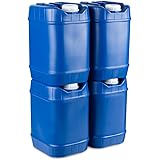
Saratoga Farms 5-Gallon Stackable Water Storage Containers, Emergency Water Storage for Camping and Disaster Preparedness, 20 Gallons
Now retrieving the price.
(as of March 30, 2026 02:34 GMT -04:00 - More infoProduct prices and availability are accurate as of the date/time indicated and are subject to change. Any price and availability information displayed on [relevant Amazon Site(s), as applicable] at the time of purchase will apply to the purchase of this product.)
Borogo 4/6/12 Pack Disposable Rain Ponchos Family Pack for Adults - Emergency Rain Ponchos for Women and Men
$6.99 (as of March 30, 2026 02:34 GMT -04:00 - More infoProduct prices and availability are accurate as of the date/time indicated and are subject to change. Any price and availability information displayed on [relevant Amazon Site(s), as applicable] at the time of purchase will apply to the purchase of this product.)
Grizzly Gear Emergency Food Rations- 3600 Calorie Blueberry Bar - 3 Day, 72 Hour Supply For Disaster, Hurricane, Flood Preparedness - Less Sugar, More Nutrients Than Leading Brands - 5 Year Shelf Life
$19.99 (as of March 30, 2026 02:34 GMT -04:00 - More infoProduct prices and availability are accurate as of the date/time indicated and are subject to change. Any price and availability information displayed on [relevant Amazon Site(s), as applicable] at the time of purchase will apply to the purchase of this product.)
S.O.S. Rations Emergency 3600 Calorie Food Bar (Cinnamon + Coconut, 2 Pack)
$17.18 (as of March 30, 2026 02:34 GMT -04:00 - More infoProduct prices and availability are accurate as of the date/time indicated and are subject to change. Any price and availability information displayed on [relevant Amazon Site(s), as applicable] at the time of purchase will apply to the purchase of this product.)