
Food can spoil within hours to days during prolonged power outages, depending on the type of food and the temperature conditions. Perishable items like dairy, meat, and certain fruits and vegetables can become unsafe after just four hours without refrigeration.
Understanding the factors that influence food spoilage during a power outage is important for anyone preparing for emergencies. The temperature of the environment plays a significant role; food stored at temperatures above 40°F (4°C) can enter the danger zone where bacteria thrive. Additionally, the type of food is crucial; some foods spoil faster than others. For example, ground meats and fish can spoil more quickly than whole cuts of meat. It’s wise to prioritize the use of perishable items first, and to keep a close eye on the temperature of your refrigerator and freezer if the power is out for an extended period.
Another common mistake is assuming that food is still safe if it looks and smells fine. While some foods may appear unaffected, they can still harbor dangerous bacteria. When in doubt, it’s better to err on the side of caution. Keeping a thermometer handy to monitor food temperatures can help you make informed decisions. If the power is out for more than four hours, consider moving perishable items to a cooler with ice packs to extend their safe consumption period.
Factors Influencing Food Spoilage
Several key factors influence how quickly food spoils during a power outage. The primary factor is temperature; food kept above 40°F (4°C) can begin to spoil rapidly, especially if it remains at that temperature for extended periods. Humidity and exposure to air also affect spoilage rates, as they can promote the growth of bacteria and mold. Additionally, the duration of the outage is crucial; the longer food remains unrefrigerated, the higher the risk of spoilage.

In practical terms, understanding these factors allows for better planning. For instance, items like eggs and milk can last about two hours safely at room temperature, while hard cheeses may last longer. It is essential to regularly check the temperature of food items and use a thermometer to gauge safety accurately. Furthermore, knowing which foods are more susceptible to spoilage can help prioritize their use in recipes during an outage.
One often-overlooked aspect is how cooking methods can affect spoilage. For example, food that has been cooked and then cooled may spoil at a different rate than raw food. Always consider the original state of the food when determining its safety post-outage.
Safe Temperature Guidelines
Maintaining safe temperatures is vital during a power outage to prevent foodborne illnesses. The USDA recommends keeping food out of the danger zone, which is between 40°F and 140°F (4°C and 60°C). If the power goes out, check the temperature of your refrigerator and freezer. A full freezer can keep food safe for about 48 hours if unopened, while a half-full freezer may only last about 24 hours.
For refrigerated items, if the temperature rises above 40°F (4°C) for more than two hours, it is safer to discard perishable foods such as meat, poultry, fish, eggs, and dairy products. Non-perishable items like canned goods, dry grains, and pasta can remain safe indefinitely if stored correctly. It’s advisable to keep a food thermometer handy to monitor temperatures accurately.

Moreover, if food appears questionable, it is wise to discard it rather than risk foodborne illness. This precaution can save you from severe health issues that arise from consuming spoiled food. Always remember: when in doubt, throw it out.
Types of Food and Their Shelf Lives
Different types of food have varying shelf lives when subjected to power outages. Perishable foods such as dairy, eggs, and meat should ideally be consumed within two hours if they have not been kept at a safe temperature. On the other hand, non-perishable foods like canned goods, dry beans, and rice can last for years if stored in a cool, dry place.
Fruits and vegetables also vary in how long they can last without refrigeration. For example, root vegetables like potatoes and carrots can last several days at room temperature, while berries and leafy greens may spoil within a day or two. Understanding these distinctions can help you prioritize which foods to consume first during an outage.
Additionally, certain foods can be preserved through cooking or canning before a power outage, extending their shelf life. Always consider the food’s original state and how it was prepared when assessing its safety after prolonged exposure to unsafe temperatures.
Best Practices for Food Storage During Outages
To maximize the safety of your food during prolonged outages, implementing best practices for storage is essential. First, keep your refrigerator and freezer doors closed as much as possible to maintain internal temperatures. If you anticipate a prolonged outage, consider moving perishable items to a cooler with ice packs to extend their safe storage time.
Labeling food items with dates can also help track their freshness and safety. If the power is out, you can quickly assess which items need to be consumed first. Furthermore, consider investing in a generator or solar-powered cooler to maintain refrigeration during outages, especially if you live in an area prone to power interruptions.
Finally, always have a backup plan for food storage, such as canned goods and dry goods, which can be consumed without refrigeration. These preparations will ensure that you have safe food options available even when the power is out for an extended period.
Further Reading
Authoritative Sources
- USDA Food Safety and Inspection Service
fsis.usda.govThis resource provides guidelines on food safety during power outages and other emergencies
- CDC Food Safety During Power Outages
cdc.govThe CDC offers tips on how to keep food safe and prevent foodborne illnesses during outages
- FoodSafety.gov
foodsafety.govA comprehensive guide on food safety practices during power outages
- Ready.gov Food Safety
ready.govProvides information on food safety resources during emergencies and disasters
Frequently Asked Questions
How can I tell if food is still safe after a power outage?
If the food has been above 40°F for more than two hours, it is generally unsafe to consume, especially perishable items.
What types of food spoil the fastest during outages?
Perishable foods like dairy, meat, and seafood spoil the fastest, typically within a few hours without refrigeration.
Can I refreeze food after a power outage?
Refreezing food that has thawed is not recommended if it has been above 40°F for more than two hours. It can compromise the food’s safety.
What should I do with canned food during a power outage?
Canned food is safe during a power outage as long as it remains sealed and stored in a cool, dry place.
How long can refrigerated food last without power?
Refrigerated food can typically last about 4 hours without power if the door remains closed. After that, its safety diminishes significantly.
Related Content
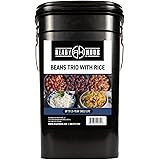
Ready Hour Beans Trio with Rice Kit Bucket (100 Servings) Survival Beans and Rice, Survival Food Storage, Emergency Preparedness Food, Prepper, Easy Prep, 30-Year Shelf Life
$64.95 (as of March 30, 2026 02:34 GMT -04:00 - More infoProduct prices and availability are accurate as of the date/time indicated and are subject to change. Any price and availability information displayed on [relevant Amazon Site(s), as applicable] at the time of purchase will apply to the purchase of this product.)
Hitituto Rain Ponchos for Adults - Extra Long Emergency Poncho with Hood, 6/12/24 Family Pack Raincoat, Home Survival Kits
$9.49 (as of March 30, 2026 02:34 GMT -04:00 - More infoProduct prices and availability are accurate as of the date/time indicated and are subject to change. Any price and availability information displayed on [relevant Amazon Site(s), as applicable] at the time of purchase will apply to the purchase of this product.)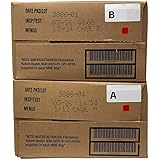
2026 Inspection U.S. Military Surplus MREs A and B Case – 2 Cases of 12 each Meals ready Eat | Genuine Military Rations with Flameless Heaters | Long Shelf-Life Emergency Food Supply
$96.95 (as of March 30, 2026 02:34 GMT -04:00 - More infoProduct prices and availability are accurate as of the date/time indicated and are subject to change. Any price and availability information displayed on [relevant Amazon Site(s), as applicable] at the time of purchase will apply to the purchase of this product.)
Ready Hour, Black Bean Burger Mix, Real Non-Perishable Recipe, 25-Year Shelf Life, Emergency and Adventure Food Supply, Includes 10 Resealable Pouches, 60 Servings
$59.95 (as of March 30, 2026 02:34 GMT -04:00 - More infoProduct prices and availability are accurate as of the date/time indicated and are subject to change. Any price and availability information displayed on [relevant Amazon Site(s), as applicable] at the time of purchase will apply to the purchase of this product.)