Home disasters can strike without warning, leaving families vulnerable and unprepared. That’s why home disaster risk planning is essential for every household. By taking proactive measures, families can significantly reduce risks and enhance their resilience against various emergencies, from natural disasters to fire hazards.
Statistics show that nearly 60% of families have never practiced a disaster plan, illustrating a critical gap in preparedness. This article will explore the significance of home disaster risk planning, detail actionable steps for creating an effective plan, and highlight valuable resources that can guide families through this vital process. With the right knowledge and tools, you can empower your family to navigate potential disasters confidently.

Understanding Home Disaster Risk Planning
Home disaster risk planning involves assessing risks, creating strategies to mitigate them, and developing an actionable response plan. This proactive approach not only safeguards your physical property but also ensures the safety and well-being of your loved ones.
### The Importance of Home Disaster Risk Planning
1. **Reduces Panic and Confusion**: Having a plan in place minimizes chaos during an emergency. Families who practice their disaster plans are more likely to remain calm and execute their strategies effectively.
2. **Saves Lives**: Proper planning can prevent injuries or fatalities. For instance, knowing escape routes during a fire can make a significant difference.
3. **Protects Property**: With a solid risk management strategy, you can take steps to protect your home and valuable belongings from potential disasters.
4. **Increases Community Resilience**: When families are prepared, entire neighborhoods can recover more quickly and effectively after a disaster.
== > What if ... Get a FREE Subscription to PREPARE

### Key Components of Home Disaster Risk Planning
– **Risk Assessment**: Identify potential hazards specific to your area, such as floods, earthquakes, or wildfires.
– **Emergency Contacts**: Maintain a list of essential contacts, including family members, local emergency services, and neighbors.
– **Resource Inventory**: Keep track of resources such as first-aid kits, food supplies, and necessary medications.
Steps to Effective Home Disaster Risk Planning
Planning for disasters is a systematic process. Follow these essential steps for effective home disaster risk planning.
### Step-by-Step Process
1. **Conduct a Home Hazard Assessment**:
– Walk through your home and identify potential risks.
– Look for hazards like flammable materials, unstable furniture, and escape routes.
2. **Develop a Family Communication Plan**:
– Designate a meeting place outside your home.
– Ensure all family members know how to contact each other during emergencies.
3. **Create an Emergency Kit**:
– Collect essential supplies, including water, non-perishable food, flashlights, batteries, and first-aid items.
– Check and replenish supplies regularly.
4. **Practice Regular Drills**:
– Simulate emergency scenarios, such as fire evacuations or severe weather responses.
– Discuss roles and responsibilities with family members to ensure everyone is prepared.
### Reviewing and Updating Your Plan
It’s crucial to review your plan regularly, especially after significant life changes, such as moving to a new home or after a family member’s departure. Stay informed about local risks and adjust your plan accordingly.
Creating a Family Disaster Plan
A family disaster plan is a roadmap for what to do when disaster strikes. This plan should cater to your family’s specific needs and circumstances.
### Essential Elements of a Family Disaster Plan
1. **Identify Roles**:
– Assign specific responsibilities to family members, such as gathering emergency kits or contacting emergency services.
2. **Establish Communication Protocols**:
– Set up a system for checking in with each other during a disaster, including the use of texts or social media to avoid congested phone lines.
3. **Create a Shelter Plan**:
– Identify safe places to shelter in your home or nearby locations, such as community centers or schools.
4. **Plan for Pets**:
– Include your pets in your disaster plans. Ensure you have supplies and arrangements in place for their safety and care during emergencies.
### Conducting Family Meetings
Regular family meetings are essential to discuss your home disaster risk planning. Use this time to update the plan, practice drills, and ensure everyone is on the same page.
Resources for Home Disaster Risk Planning
There are numerous resources available that can assist families in developing their home disaster risk plans. Here are some valuable options:
– **Ready.gov**: This government website offers extensive resources and tools for disaster preparedness, including checklists and planning guides.
– **American Red Cross**: The Red Cross provides a wealth of materials for creating disaster plans, including educational courses and mobile apps.
– **Local Emergency Management Offices**: Many local governments offer resources tailored to specific regional risks and hazards.
– **Community Preparedness Workshops**: Look for workshops in your area that provide hands-on training for disaster preparedness.
References and Resources
These resources provide valuable information about home disaster risk planning. Check them out for additional insights:
Authoritative Sources on home disaster risk planning
-
Ready.gov
ready.govA comprehensive resource for emergency preparedness, offering guides and checklists for various disasters.
-
American Red Cross: Preparedness
redcross.orgOffers resources for creating disaster plans, including mobile apps and training courses.
-
FEMA Emergency Management
fema.govProvides information on disaster preparedness and recovery, with a focus on community resilience.
-
National Fire Protection Association
nfpa.orgOffers fire safety tips and resources for creating a fire escape plan in your home.
-
CDC Preparedness
cdc.govProvides valuable information on public health readiness and recovery during emergencies.
-
Ready Kids
ready.govA program by the Red Cross focused on engaging children in disaster preparedness.
-
National Voluntary Organizations Active in Disaster
nvoad.orgA coalition of organizations that work to improve disaster preparedness and response.
Get Preparedness and Self-Reliance Tips. Subscribe Now!
-
USGS Natural Hazards
usgs.govOffers scientific information related to natural hazards and how to prepare for them.
Frequently Asked Questions
What is home disaster risk planning?
Home disaster risk planning is the process of assessing potential risks to a household and creating a strategy to mitigate these risks. This includes developing emergency plans, maintaining supplies, and ensuring all family members are prepared for various emergency scenarios.
How do I start home disaster risk planning?
Begin by conducting a hazard assessment of your home, identifying potential risks. Next, develop a family communication plan and create an emergency kit with essential supplies. Practice regular drills to ensure everyone knows their roles during an emergency.
Why is practicing a disaster plan important?
Practicing a disaster plan helps families to remain calm and organized during an actual emergency. Regular drills can identify gaps in the plan and ensure that everyone understands their responsibilities, ultimately saving lives and reducing panic.
How often should I update my home disaster risk plan?
You should review and update your home disaster risk plan at least once a year or whenever significant changes occur in your family, such as moving, the addition of family members, or changes in local risks.
Conclusion
In conclusion, home disaster risk planning is an essential aspect of ensuring the safety and resilience of your family. By understanding potential risks, creating comprehensive plans, and practicing regularly, you can empower your family to face disasters with confidence. As you move forward, take action today to develop or enhance your disaster plan. Remember, preparedness is not just a plan; it’s a mindset that can save lives. Don’t wait for a disaster to strike; start your home disaster risk planning journey now.
Get Preparedness and Self-Reliance Tips. Subscribe Now!
Find out more information about “home disaster risk planning”
Search for more resources and information:
Related Content
- What is the best way to secure alternative energy sources?
- Survive the Unforeseen The Vital Role of the bug out bag
- What is the best way to secure emergency communication channels?
- Tips for Handling Post-Disaster Cleanup Safely
- Unlocking Survival Skills: A Comprehensive Guide on How to Create a Bug Out Bag for Any Crisis

Dehydrated Spinach Flakes Emergency Food Supply, 45 Servings, 25 Year Shelf Life, 15 Calories per Serving - Dehydrated Meals, Survival Food Camping Essentials Can
$14.28 (as of March 15, 2026 18:00 GMT -04:00 - More infoProduct prices and availability are accurate as of the date/time indicated and are subject to change. Any price and availability information displayed on [relevant Amazon Site(s), as applicable] at the time of purchase will apply to the purchase of this product.)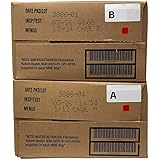
2026 Inspection U.S. Military Surplus MREs A and B Case – 2 Cases of 12 each Meals ready Eat | Genuine Military Rations with Flameless Heaters | Long Shelf-Life Emergency Food Supply
$95.95 (as of March 15, 2026 18:00 GMT -04:00 - More infoProduct prices and availability are accurate as of the date/time indicated and are subject to change. Any price and availability information displayed on [relevant Amazon Site(s), as applicable] at the time of purchase will apply to the purchase of this product.)
Tomato Powder Can Emergency Food Supply, 329 Servings, 25 Year Shelf Life, Made with Real Tomatoes - Dry Tomato Powder Blend, Ingredient for Cooking and Food Preparation
$33.44 (as of March 15, 2026 18:00 GMT -04:00 - More infoProduct prices and availability are accurate as of the date/time indicated and are subject to change. Any price and availability information displayed on [relevant Amazon Site(s), as applicable] at the time of purchase will apply to the purchase of this product.)
Ready Hour, Fruit & Veggie Mix, Non-Perishable Freeze-Dried Food, 30-Year Shelf Life, Portable Emergency and Adventure Food Supply, Durable Flood Safe Container, 56 Servings
$54.95 (as of March 15, 2026 18:00 GMT -04:00 - More infoProduct prices and availability are accurate as of the date/time indicated and are subject to change. Any price and availability information displayed on [relevant Amazon Site(s), as applicable] at the time of purchase will apply to the purchase of this product.)