Imagine waking up to an emergency situation—be it a natural disaster, a medical crisis, or any unexpected event. How prepared are you? Having essential emergency checklists at hand could be the difference between chaos and effective action. These checklists serve as vital tools, guiding you through crucial steps to ensure safety and preparedness. Whether you’re at home, at work, or even traveling, understanding how to create and utilize these lists can greatly enhance your peace of mind.
According to recent studies, nearly 60% of adults admit they would not know how to respond in an emergency. This statistic highlights the necessity of establishing essential emergency checklists. By preparing these lists, you not only equip yourself with actionable steps but also empower those around you to respond effectively in times of need. This article covers the importance of these checklists, how to create them, and the various types you should consider for different scenarios.
Understanding Essential Emergency Checklists
What Are Essential Emergency Checklists?
Essential emergency checklists are structured guides that outline the necessary actions to take during various emergencies. These lists can cover a wide range of scenarios, including natural disasters, health emergencies, or even personal safety threats. The key to these checklists is their ability to simplify complex situations into manageable steps, allowing individuals to act quickly and decisively.
Why Are They Important?
Having essential emergency checklists can significantly reduce panic and confusion during emergencies. Here are a few reasons why these checklists are crucial:
- Preparedness: Being prepared can save lives. Checklists help ensure that critical tasks are completed.
- Efficiency: They streamline decision-making, allowing for quick responses.
- Peace of Mind: Knowing you have a plan can reduce anxiety in uncertain situations.
- Resource Management: Checklists can help identify necessary supplies and resources ahead of time.
Creating Your Essential Emergency Checklists
Steps to Develop Your Checklists
== > What if ... Get a FREE Subscription to PREPARE

Creating effective essential emergency checklists involves a systematic approach. Follow these steps to ensure your lists are comprehensive and actionable:
- Identify Scenarios: Determine which emergencies you need to prepare for (e.g., fire, flood, medical emergencies).
- Gather Information: Research essential actions for each scenario. This may involve consulting experts or reliable online resources.
- Draft Your Checklist: Write clear, concise steps that are easy to follow. Use bullet points for clarity.
- Review and Revise: Periodically review your checklists to ensure they remain relevant and effective.
Involving the Family
It’s essential to involve your family in the development of these checklists. By discussing potential emergencies and actions as a group, you ensure that everyone understands their roles. This collaborative approach not only fosters awareness but also strengthens your family’s unity in the face of crises.
Types of Essential Emergency Checklists
Home Emergency Checklist
A home emergency checklist is vital for ensuring safety against threats like fires or natural disasters. Here are key components to include:
- Escape routes and meeting points
- Emergency contacts (family, friends, local authorities)
- Essential supplies (first aid kit, flashlight, batteries)
- Important documents (IDs, insurance papers)
Medical Emergency Checklist
In medical emergencies, time is of the essence. A dedicated medical emergency checklist should contain:
- List of allergies and medical conditions
- Medications and dosages
- Emergency contacts for healthcare providers
- First aid procedures for common injuries
Travel Emergency Checklist
When traveling, being prepared can prevent chaos. Consider these elements for your travel checklist:
- Travel insurance information
- Local emergency contacts
- Copies of important documents
- Emergency funds
Maintaining and Updating Your Checklists
Regular Reviews
It’s vital to regularly review your essential emergency checklists to ensure they reflect any changes in your life or environment. For example, if you move to a new area prone to different natural disasters, your checklist should be updated accordingly.
Practical Tips for Updates
To keep your checklists relevant, consider these practical tips:
- Set a reminder every six months to review your lists.
- Involve family members in the process—discuss any changes in circumstances.
- Store checklists in an easily accessible location, both digitally and physically.
- Test your plans through drills and discussions.
References and Resources
These resources provide valuable information about essential emergency checklists. Check them out for additional insights:
Authoritative Sources on essential emergency checklists
-
Ready.gov – Emergency Preparedness
ready.govProvides comprehensive resources on how to prepare for various emergencies, including checklists.
-
American Red Cross – Emergency Preparedness
redcross.orgOffers essential emergency checklists and preparation tips for individuals and families.
-
CDC – Emergency Preparedness
cdc.govProvides resources for preparing for public health emergencies and personal safety.
-
NFPA – Wildfire Preparedness
nfpa.orgFocuses on preparing homes and families for wildfire emergencies with checklists and guides.
Get Preparedness and Self-Reliance Tips. Subscribe Now!
-
FEMA – Emergency Preparedness 101
fema.govA resource for families on how to prepare for emergencies, including essential checklists.
-
WHO – Emergency Preparedness
who.intGlobal perspective on health-related emergencies and preparedness checklists.
-
Ready.gov – Kids’ Preparedness
ready.govA resource for teaching children about emergency preparedness with engaging checklists.
-
National Geographic – Preparing for Natural Disasters
nationalgeographic.comInsightful articles and guidelines on how to prepare for various natural disasters.
Frequently Asked Questions
What are essential emergency checklists?
Essential emergency checklists are structured guides designed to help individuals manage various emergency situations effectively. They outline critical steps and resources necessary for a quick response during crises, such as natural disasters, medical emergencies, or personal safety threats.
How can I create my own essential emergency checklists?
To create your own essential emergency checklists, start by identifying potential emergencies, gathering relevant information, drafting clear steps, and regularly reviewing your lists to ensure they remain up-to-date and effective.
Why is it important to update my essential emergency checklists?
Regularly updating your essential emergency checklists is crucial as it ensures they reflect any changes in your life or environment. This includes changes in family status, residence, or new types of threats, making your preparedness plans relevant and efficient.
What types of essential emergency checklists should I have?
It’s advisable to have multiple types of essential emergency checklists, including home emergency checklists, medical emergency checklists, and travel emergency checklists. Each type addresses specific scenarios to ensure comprehensive preparedness.
How often should I review my essential emergency checklists?
It is recommended to review your essential emergency checklists at least twice a year. This helps to keep them current and ensures that all family members are familiar with the procedures outlined in the checklists.
Conclusion
In conclusion, the importance of essential emergency checklists cannot be overstated. They provide a structured approach to handling emergencies, which can significantly enhance your preparedness and peace of mind. By regularly updating these lists and involving your family in the process, you create a resilient support system that can respond effectively in times of crisis. Take action today: start drafting your checklists, review them periodically, and ensure your family knows what to do when an emergency strikes. Preparedness is not just a plan; it’s a way to safeguard your loved ones and your peace of mind.
Get Preparedness and Self-Reliance Tips. Subscribe Now!
Related Content
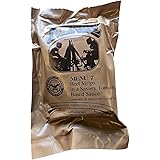
Genuine USGI Individual MRE [Meal, Ready to Eat] Inspection Date 01/2024 or Newer - You Choose Menu - Ration with Entree, Snacks, Dessert, Drink Mix, Utensils, Condiments and FRH. (#7 Beef Strips)
$11.99 (as of March 16, 2026 18:04 GMT -04:00 - More infoProduct prices and availability are accurate as of the date/time indicated and are subject to change. Any price and availability information displayed on [relevant Amazon Site(s), as applicable] at the time of purchase will apply to the purchase of this product.)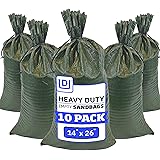
DURASACK Heavy Duty Sand Bags with Tie Strings Empty Woven Polypropylene Sand-Bags for Flood Control with 1600 Hours of UV Protection, 50 lbs Capacity, 14x26 inches, Green, Pack of 10
$10.99 (as of March 16, 2026 18:04 GMT -04:00 - More infoProduct prices and availability are accurate as of the date/time indicated and are subject to change. Any price and availability information displayed on [relevant Amazon Site(s), as applicable] at the time of purchase will apply to the purchase of this product.)
Hitituto Rain Ponchos for Adults - Extra Long Emergency Poncho with Hood, 6/12/24 Family Pack Raincoat, Home Survival Kits
$9.99 (as of March 16, 2026 18:04 GMT -04:00 - More infoProduct prices and availability are accurate as of the date/time indicated and are subject to change. Any price and availability information displayed on [relevant Amazon Site(s), as applicable] at the time of purchase will apply to the purchase of this product.)
Emergency Food Supply - Chocolate Survival Ration - 20 Years Shelf Life - 1 Day
$9.95 (as of March 16, 2026 18:04 GMT -04:00 - More infoProduct prices and availability are accurate as of the date/time indicated and are subject to change. Any price and availability information displayed on [relevant Amazon Site(s), as applicable] at the time of purchase will apply to the purchase of this product.)