Every family should be prepared for the unexpected. Whether it’s a natural disaster, a power outage, or a personal emergency, ensuring emergency readiness at home is essential. Did you know that nearly 60% of Americans have experienced a significant emergency in their lifetime? This statistic underscores the importance of being proactive about safety and preparedness. In this article, we will explore how to enhance emergency readiness at home so that every family can feel secure and prepared.
Being ready for emergencies means having a plan and the necessary supplies at hand. The focus on emergency readiness at home is not just about stockpiling supplies; it’s also about developing a mindset that prioritizes safety and preparedness. Let’s dive into the essential elements that can help your family navigate crises effectively.
Understanding Emergency Readiness at Home
This matters more than it seems because weak decisions here usually create bigger downstream problems. Emergency readiness at home involves a comprehensive approach that includes planning, preparation, and practice. It’s not merely a checklist; rather, it’s a lifestyle choice that can dramatically improve your family’s safety during a crisis. Understanding the various types of emergencies that could occur in your area is the first step towards effective preparedness.

What Is Emergency Readiness?
This matters more than it seems because weak decisions here usually create bigger downstream problems.
Emergency readiness refers to the state of being equipped and prepared for unexpected situations. This encompasses having the right supplies, a solid plan, and the knowledge to execute that plan. Here are some common emergencies to consider:
- Natural disasters (earthquakes, floods, hurricanes)
- Fires (house fires, wildfires)
- Medical emergencies (injuries, illnesses)
- Power outages
- Home invasions or security threats

Each type of emergency requires specific preparations, making it crucial to evaluate your family’s unique needs and circumstances.
Essential Supplies for Emergency Readiness at Home
This matters more than it seems because weak decisions here usually create bigger downstream problems. One of the foundational aspects of emergency readiness at home is having the right supplies. A well-stocked emergency kit can mean the difference between chaos and calm during an unexpected event. Here’s a breakdown of essential supplies your family should have on hand:
Basic Emergency Supplies
This matters more than it seems because weak decisions here usually create bigger downstream problems.
- Water: At least one gallon per person per day for three days.
- Food: Non-perishable items, such as canned goods, energy bars, and dried fruits.
- First aid kit: Include bandages, antiseptics, and over-the-counter medications.
- Flashlight and batteries: Ensure you have a reliable light source.
- Multi-tool or Swiss Army knife: Useful for various tasks.
- Whistle: To signal for help if needed.
Additional Supplies to Consider
This matters more than it seems because weak decisions here usually create bigger downstream problems.
Beyond the basics, consider these additional items to enhance your emergency readiness:
- Personal hygiene products (toothbrush, soap, wipes)
- Copies of important documents (ID, insurance)
- Cash in small denominations
- Maps of your local area
- Extra clothing and blankets
Creating Your Emergency Plan
This matters more than it seems because weak decisions here usually create bigger downstream problems. A solid emergency plan is crucial for effective emergency readiness at home. Without a plan, even the best supplies may not be enough. Here’s how to create a comprehensive emergency plan:
Step-By-Step Emergency Plan Creation
This matters more than it seems because weak decisions here usually create bigger downstream problems.
- Identify potential emergencies: List possible scenarios relevant to your area.
- Assign roles: Designate responsibilities among family members.
- Establish communication: Decide on a central meeting place and communication methods.
- Practice the plan: Conduct regular drills to ensure everyone knows their role.
- Review and update: Regularly assess and update your plan as needed.
Having a clear plan can significantly reduce anxiety and confusion during an emergency.
Training and Drills for Emergency Readiness at Home
This matters more than it seems because weak decisions here usually create bigger downstream problems. Training is an often-overlooked aspect of emergency readiness at home. Knowing how to use supplies and execute your plan is just as important as having them in place. Here’s how to integrate training into your preparedness efforts:
Importance of Regular Drills
This matters more than it seems because weak decisions here usually create bigger downstream problems.
Conducting regular emergency drills can help reinforce your family’s preparedness. Here are some key benefits of practicing your emergency plan:
- Increases familiarity with the plan and supplies
- Reduces panic during real emergencies
- Builds confidence among family members
- Identifies gaps in your plan or supplies
Types of Training to Consider
This matters more than it seems because weak decisions here usually create bigger downstream problems.
Consider providing training in the following areas:
- First aid and CPR certification
- Fire safety training
- Self-defense classes
- Emergency response training workshops
References and Resources
This matters more than it seems because weak decisions here usually create bigger downstream problems. These resources provide valuable information about emergency readiness at home. Check them out for additional insights:
Authoritative Sources on emergency readiness at home
-
Ready.gov – Emergency Preparedness
ready.govA comprehensive guide to emergency preparedness from the U.S. Department of Homeland Security.
Get Preparedness and Self-Reliance Tips. Subscribe Now!
-
American Red Cross – Prepare for Emergencies
redcross.orgOffers resources, tips, and kits for emergency preparedness.
-
National Fire Protection Association (NFPA)
nfpa.orgLearn about fire safety and prevention strategies.
-
CDC – Emergency Preparedness and Response
cdc.govGuidance on various types of emergencies from the Centers for Disease Control and Prevention.
-
FEMA – Federal Emergency Management Agency
fema.govResources and information on disaster preparedness and recovery.
-
Safe Kids Worldwide
safekids.orgFocuses on keeping children safe in emergencies and providing resources for families.
-
AARP – Emergency Preparedness
aarp.orgResources aimed at helping older adults prepare for emergencies.
-
Preparedness.com
preparedness.comOffers a variety of resources and products for overall preparedness.
Frequently Asked Questions
What does emergency readiness at home entail?
Emergency readiness at home involves having a plan, necessary supplies, and knowledge to respond effectively to various emergencies. This includes preparing for natural disasters, medical emergencies, and other unexpected events.
How can I improve my family’s emergency readiness at home?
To improve emergency readiness, create a comprehensive plan, conduct regular drills, and ensure you have a well-stocked emergency kit. Training your family in first aid and emergency responses is also beneficial.
What supplies should I include in my emergency kit?
Your emergency kit should include water, non-perishable food, a first aid kit, flashlight, batteries, and important documents. Additional items like hygiene supplies and cash are also recommended.
How often should I review my emergency plan?
It’s advisable to review your emergency plan at least once a year or whenever there are significant changes in your family’s circumstances or local emergency protocols.
Conclusion
This matters more than it seems because weak decisions here usually create bigger downstream problems.
In conclusion, enhancing emergency readiness at home is a vital component of family safety. From understanding what it means to be prepared to creating a solid plan and regularly practicing it, every step taken contributes to a more secure household. By prioritizing emergency readiness at home, families can face the unexpected with confidence and resilience. Take the time now to assess your preparedness and make it a family priority—your future self will thank you.
Find out more information about “emergency readiness at home”
Search for more resources and information:
Related Content

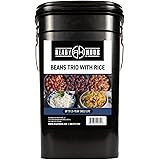
Ready Hour 120 Serving Entree Bucket-Freeze Dried Emergency Food Supply-Survival Meals with Long Shelf Life-Prepper Essentials for Disaster, Camping, Hiking, or Outdoor Use
$139.99 (as of March 24, 2026 23:04 GMT -04:00 - More infoProduct prices and availability are accurate as of the date/time indicated and are subject to change. Any price and availability information displayed on [relevant Amazon Site(s), as applicable] at the time of purchase will apply to the purchase of this product.)
4Patriots 72-Hour Survival Food Kit: Emergency Food Supply Designed to Last 25 Years, 20 Servings
$29.00 (as of March 24, 2026 23:04 GMT -04:00 - More infoProduct prices and availability are accurate as of the date/time indicated and are subject to change. Any price and availability information displayed on [relevant Amazon Site(s), as applicable] at the time of purchase will apply to the purchase of this product.)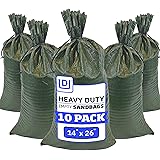
DURASACK Heavy Duty Sand Bags with Tie Strings Empty Woven Polypropylene Sand-Bags for Flood Control with 1600 Hours of UV Protection, 50 lbs Capacity, 14x26 inches, Green, Pack of 10
$10.99 (as of March 24, 2026 23:04 GMT -04:00 - More infoProduct prices and availability are accurate as of the date/time indicated and are subject to change. Any price and availability information displayed on [relevant Amazon Site(s), as applicable] at the time of purchase will apply to the purchase of this product.)
Borogo 4/6/12 Pack Disposable Rain Ponchos Family Pack for Adults - Emergency Rain Ponchos for Women and Men
$6.99 (as of March 24, 2026 23:04 GMT -04:00 - More infoProduct prices and availability are accurate as of the date/time indicated and are subject to change. Any price and availability information displayed on [relevant Amazon Site(s), as applicable] at the time of purchase will apply to the purchase of this product.)