Building a bug out bag for beginners requires careful selection of essential supplies to ensure safety and preparedness during emergencies. Start with a sturdy backpack and include vital items such as non-perishable food, water purification methods, a first aid kit, and multi-tools.
When assembling your bug out bag, prioritize lightweight and durable items. Many beginners overlook the importance of weight and end up with an overpacked bag that is difficult to carry. Consider the scenarios you might encounter and tailor your supplies accordingly. For example, if you live in an area prone to wildfires, include protective gear and a fire starter. Always think about the balance between quantity and quality, as well as the trade-offs of carrying multiple items versus the necessity of each.
Choosing the Right Backpack
Selecting a suitable backpack is the first step in building a bug out bag. Look for one that is comfortable, durable, and has ample storage space. A bag with multiple compartments can help keep your items organized and accessible. Consider the size based on how long you might need to be away from home; typically, a 50-70 liter pack is sufficient for a short-term evacuation.
Ensure the backpack has features like padded shoulder straps and a hip belt for better weight distribution. Many beginners underestimate the importance of comfort, which can lead to fatigue during an emergency situation. Test the pack with weight before finalizing your choice to ensure it meets your needs.

Essential Supplies for Your Bug Out Bag
Beyond the backpack, the contents of your bug out bag are crucial for survival. Common essentials include food, water, first aid supplies, and tools. Each item should be selected based on its utility and your personal circumstances. For instance, if you have specific medical needs, be sure to include necessary medications.
When considering tools, a multi-tool is invaluable for a variety of tasks, from opening cans to making repairs. Fire starters, flashlights, and a whistle for signaling are also recommended. Avoid packing unnecessary items that may add weight without providing significant value in an emergency.
Food and Water Options
Food and water are vital components of any bug out bag. Pack non-perishable food items that are lightweight and easy to prepare, such as energy bars, dried fruits, or freeze-dried meals. Ensure that your food choices are calorie-dense to sustain energy levels during high-stress situations.
Water is equally important. Include a portable water purifier or purification tablets, as well as a collapsible water container. Many beginners make the mistake of underestimating their water needs, so plan for at least one gallon per person per day if possible.

Get Preparedness and Self-Reliance Tips. Subscribe Now!
First Aid and Safety Items
A first aid kit is an essential part of your bug out bag. It should include basic supplies like bandages, antiseptics, and any personal medications. Additionally, consider including personal safety items such as pepper spray or a tactical flashlight for protection.
Regularly check and update your first aid supplies to ensure they are not expired and are ready for use. Understanding basic first aid techniques can also enhance your preparedness, as knowing how to treat injuries can be just as crucial as having the supplies on hand.
Further Reading
Authoritative Sources
- Ready.gov
ready.govOfficial U.S. preparedness guidance, checklists, and planning resources for households and emergencies.
- FEMA
fema.govFederal emergency management resources, disaster planning information, and recovery guidance.
- American Red Cross Emergency Preparedness
redcross.orgPractical emergency preparation steps, supply lists, and safety guidance for families.
- National Weather Service
weather.govOfficial forecasts, hazard alerts, and weather safety information.
- CDC Emergency Preparedness and Response
cdc.govPublic health guidance for emergencies, disasters, and recovery situations.
Frequently Asked Questions
What should be the first item in a bug out bag?
The first item should be a reliable backpack that is durable and comfortable to carry, as it will hold all your essential supplies.
How much water should I pack in my bug out bag?
Plan for at least one gallon of water per person per day, but include purification methods to ensure access to safe drinking water.
Can I use regular food in my bug out bag?
While you can use regular food, it’s best to pack non-perishable options that are lightweight and require minimal preparation.
How often should I check my bug out bag supplies?
Check your supplies every six months to ensure nothing is expired and that your needs have not changed.
What is the most important item in a bug out bag?
While all items are important, many consider water purification methods to be the most critical, as access to clean water can be a matter of survival.
Conclusion
Building a bug out bag for beginners is an essential step towards preparedness for emergencies. Focus on selecting quality items that meet your specific needs and consider scenarios that may arise. Regularly review and update your supplies to ensure you are always ready. Prioritize comfort and utility to enhance your chances of successfully navigating any crisis.
Get Preparedness and Self-Reliance Tips. Subscribe Now!
Related Content

Ready Hour, Fruit & Veggie Mix, Non-Perishable Freeze-Dried Food, 30-Year Shelf Life, Portable Emergency and Adventure Food Supply, Durable Flood Safe Container, 56 Servings
$54.95 (as of March 24, 2026 23:04 GMT -04:00 - More infoProduct prices and availability are accurate as of the date/time indicated and are subject to change. Any price and availability information displayed on [relevant Amazon Site(s), as applicable] at the time of purchase will apply to the purchase of this product.)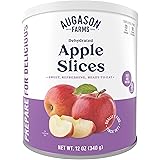
Dehydrated Apple Slices Emergency Food Supply, 20 Servings, 25 Year Shelf Life, Great for Cooking, Baking, and Snacks - Dehydrated Meals, Survival Food Camping Essentials Can
$21.99 (as of March 24, 2026 23:04 GMT -04:00 - More infoProduct prices and availability are accurate as of the date/time indicated and are subject to change. Any price and availability information displayed on [relevant Amazon Site(s), as applicable] at the time of purchase will apply to the purchase of this product.)
3 Pack 40 Gallon Water Storage Bladder, Heavy Duty Food-Grade Plastic Bag, BPA-Free, Foldable and Resuable. Ideal for Emergency Water Bank, Camping, Gardening & Agricultural Irrigation
$29.99 (as of March 24, 2026 23:04 GMT -04:00 - More infoProduct prices and availability are accurate as of the date/time indicated and are subject to change. Any price and availability information displayed on [relevant Amazon Site(s), as applicable] at the time of purchase will apply to the purchase of this product.)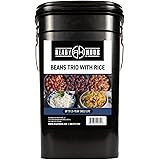
Ready Hour Beans Trio with Rice Kit Bucket (100 Servings) Survival Beans and Rice, Survival Food Storage, Emergency Preparedness Food, Prepper, Easy Prep, 30-Year Shelf Life
$64.95 (as of March 24, 2026 23:04 GMT -04:00 - More infoProduct prices and availability are accurate as of the date/time indicated and are subject to change. Any price and availability information displayed on [relevant Amazon Site(s), as applicable] at the time of purchase will apply to the purchase of this product.)