
In emergency situations, the best ways to purify water include boiling, using water purification tablets, and employing filtration systems. Each method has its advantages and limitations, and understanding these can ensure access to safe drinking water when traditional supplies are compromised.
Boiling is the most reliable method, killing pathogens effectively. However, it requires fuel and time, which may not be available in all scenarios. Water purification tablets, while convenient, can vary in effectiveness against certain contaminants. Filtration systems can remove particulates and some pathogens, but not all filters are created equal, and their effectiveness depends on the water source and filter type.
Boiling Water for Purification
Boiling water is one of the most effective methods for killing bacteria, viruses, and parasites. It requires bringing the water to a rolling boil for at least one minute, or three minutes at higher altitudes. This method is straightforward and does not require any special equipment beyond a heat source.
However, boiling water does not remove chemical contaminants or improve taste. Additionally, it requires fuel, which may not be available in all emergency situations. Therefore, it’s essential to have alternative methods available alongside boiling.
Using Water Purification Tablets
Water purification tablets are a convenient option for treating water in emergencies. They typically contain chlorine or iodine, which can effectively kill most pathogens. It’s crucial to follow the instructions carefully regarding dosage and wait time for maximum effectiveness.
While tablets are easy to use, they can leave an unpleasant taste and may not work against all contaminants, particularly those that are chemical in nature. Always check the expiration date, as expired tablets may lose their effectiveness.
Filtration Systems Overview
Filtration systems come in various forms, including portable filters and larger units. These systems can effectively remove particulates and some pathogens, depending on the filter’s specifications. Most portable filters can handle a range of contaminants, making them a versatile choice.
However, not all filters are created equal. It’s essential to choose a filter that meets the specific needs of your situation, considering factors like flow rate and the types of contaminants present in the water source. Regular maintenance and replacement of filter elements are also critical to ensure continued effectiveness.

Chemical Purification Methods
Chemical purification methods, such as using bleach or iodine, can be effective when boiling or filtration methods aren’t practical. For bleach, a few drops can disinfect water, but it must be done cautiously to avoid toxicity. Iodine can also be used similarly to purification tablets but should be avoided by pregnant women or those with thyroid issues.
These methods can be quick and effective, but they also require careful handling and knowledge about safe concentrations. Moreover, they do not remove chemical contaminants, so awareness of water sources is crucial.
Get Preparedness and Self-Reliance Tips. Subscribe Now!
Further Reading
Authoritative Sources
- CDC Emergency Water Treatment
cdc.govThis resource provides comprehensive guidelines on treating water in emergencies, including various purification methods and safety tips
- Red Cross Water Safety
redcross.orgOffers practical advice on water safety and purification methods during emergencies
- EPA Safe Drinking Water
epa.govDetails regulations and guidelines for safe drinking water, including information on contaminants and treatment options
Frequently Asked Questions
What is the safest way to purify water in an emergency?
Boiling is considered the safest method as it kills most pathogens effectively, but it requires fuel and time.
Can I use bleach to purify water?
Yes, but only unscented household bleach. Use about 8 drops per gallon of water, mix, and let it sit for 30 minutes before use.
How long should I boil water to purify it?
Boil water for at least one minute, or three minutes at elevations above 6,500 feet to effectively kill pathogens.
Are water purification tablets effective against all contaminants?
No, they are primarily effective against bacteria and viruses but may not remove chemical contaminants.
What should I consider when choosing a water filter?
Look for filters that specify the types of contaminants they remove, their flow rate, and maintenance requirements.
Conclusion
In emergency situations, knowing the best ways to purify water can make a critical difference in health and safety. Boiling is the most effective method, but alternatives like purification tablets and filtration systems are valuable tools as well. It’s essential to understand the strengths and limitations of each method to ensure access to safe drinking water. Always prepare ahead, stock necessary supplies, and stay informed about your options for purifying water in emergencies.
Get Preparedness and Self-Reliance Tips. Subscribe Now!
Related Content
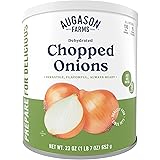
Dehydrated Chopped Onions Emergency Food Supply, 130 Servings, 25 Year Shelf Life, Great for Cooking and Baking - Dehydrated Meals, Survival Food Camping Essentials Can
$11.47 (as of March 25, 2026 23:21 GMT -04:00 - More infoProduct prices and availability are accurate as of the date/time indicated and are subject to change. Any price and availability information displayed on [relevant Amazon Site(s), as applicable] at the time of purchase will apply to the purchase of this product.)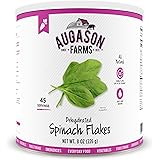
Dehydrated Spinach Flakes Emergency Food Supply, 45 Servings, 25 Year Shelf Life, 15 Calories per Serving - Dehydrated Meals, Survival Food Camping Essentials Can
$14.28 (as of March 25, 2026 23:21 GMT -04:00 - More infoProduct prices and availability are accurate as of the date/time indicated and are subject to change. Any price and availability information displayed on [relevant Amazon Site(s), as applicable] at the time of purchase will apply to the purchase of this product.)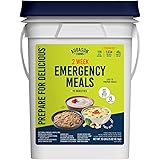
Augason Farms 2 Week 1 Person Emergency Food Supply
Now retrieving the price.
(as of March 25, 2026 23:21 GMT -04:00 - More infoProduct prices and availability are accurate as of the date/time indicated and are subject to change. Any price and availability information displayed on [relevant Amazon Site(s), as applicable] at the time of purchase will apply to the purchase of this product.)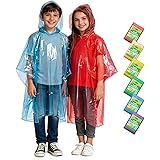
Hitituto Rain Ponchos Family Pack Kids– 6/12/24 Pack Disposable Poncho with Hood, Clear & Assorted Colors, Home Survival Kits
$9.99 (as of March 25, 2026 23:21 GMT -04:00 - More infoProduct prices and availability are accurate as of the date/time indicated and are subject to change. Any price and availability information displayed on [relevant Amazon Site(s), as applicable] at the time of purchase will apply to the purchase of this product.)