Preparing for a blackout in a major city requires proactive measures to ensure safety and comfort during an extended power outage. This entails not only gathering necessary supplies but also devising a plan for communication and resource management.
Understanding the potential impact of a blackout in a densely populated area is crucial. Urban environments often face unique challenges during power outages, such as increased traffic congestion due to non-functioning traffic lights, risks to food safety in refrigerators, and difficulties in accessing emergency services. Prioritizing critical needs like food, water, and medical supplies can significantly enhance resilience during such events.
One common mistake people make is underestimating the duration of a blackout. Many assume that outages will be brief, but major disruptions can last several hours or even days. Therefore, preparing for a blackout with sufficient supplies and a well-structured plan is vital to ensure that you and your family remain safe and comfortable.
Gathering Essential Supplies
The first step in preparing for a blackout is to gather essential supplies that will sustain you and your family. A well-stocked emergency kit should include non-perishable food items, bottled water, flashlights, batteries, a first aid kit, and any necessary medications. Consider how many days you may need to survive without power and stock accordingly.

In urban areas, it’s also wise to include items that address specific needs during a blackout, such as portable phone chargers and a battery-operated radio for updates. A common oversight is failing to account for the needs of pets or family members with special requirements, such as infants or the elderly. Always ensure your kit is tailored to your household’s unique needs.
Additionally, regularly check and refresh your supplies. Items like food and batteries have expiration dates, and it’s important to rotate them to ensure they remain usable when needed. Taking inventory every few months can help maintain a reliable emergency kit.
Communication Plans and Safety Measures
Establishing a communication plan is vital in the event of a blackout. Ensure every family member knows how to reach one another and has access to important contact information. Designate a meeting place in case you become separated, especially in a chaotic urban environment.
Safety measures should also be a priority. During a blackout, traffic lights may not function, leading to increased risks on the roads. Educate family members about safe practices, such as staying indoors when possible and avoiding unnecessary travel. It’s also important to have a flashlight or glow sticks readily available to navigate safely in the dark.

Moreover, consider investing in a whistle or personal alarm for added safety. These devices can alert others to your presence or location if you find yourself in danger. Remember, the aim is to stay safe while managing the uncertainties of a blackout.
Managing Food and Water Resources
Food safety is a pressing concern during a blackout, especially in urban areas with limited access to fresh supplies. Refrigerated food can spoil quickly without power, so it’s crucial to have a plan for food storage. Stock up on canned goods, dried fruits, and other non-perishables that do not require refrigeration.
Water is another essential resource. The general recommendation is to have at least one gallon of water per person per day for at least three days. If you live in a high-rise building, be aware that water supply may be affected by power outages, so consider storing additional bottled water.
Keep in mind that during a blackout, it’s not just about having food and water but also knowing how to ration these resources effectively. Create a meal plan that allows you to utilize perishable items first while conserving non-perishables for later. This strategy can prevent waste and ensure your family has enough sustenance until power is restored.
Staying Informed and Connected
Staying informed during a blackout is essential for safety and preparedness. Have a battery-operated or hand-crank radio on hand to receive updates from local authorities about the situation and estimated restoration times. This information can help you make informed decisions about your next steps.
In addition to radio updates, consider using SMS alerts from local emergency services or utility companies. These systems can provide real-time information about power restoration efforts and other emergency notifications. However, keep in mind that mobile networks may be strained during large-scale outages, so have alternative communication methods ready.
Lastly, build a network with neighbors to share information and resources. Establishing a community support system can be invaluable during a blackout, allowing you to pool resources and keep each other informed of developments in your area.
Further Reading
Authoritative Sources
- Ready.gov
ready.govOfficial U.S. preparedness guidance, checklists, and planning resources for households and emergencies.
- FEMA
fema.govFederal emergency management resources, disaster planning information, and recovery guidance.
- American Red Cross Emergency Preparedness
redcross.orgPractical emergency preparation steps, supply lists, and safety guidance for families.
- National Weather Service
weather.govOfficial forecasts, hazard alerts, and weather safety information.
- CDC Emergency Preparedness and Response
cdc.govPublic health guidance for emergencies, disasters, and recovery situations.
Frequently Asked Questions
What should I include in my emergency kit for a blackout?
Your emergency kit should include non-perishable food, bottled water, flashlights, batteries, a first aid kit, medications, and important documents.
How long can food stay safe in the fridge during a blackout?
Food in the fridge can stay safe for about 4 hours without power. After that, it’s best to discard perishable items to avoid foodborne illnesses.
How can I stay informed during a blackout?
Use a battery-operated radio for updates or sign up for SMS alerts from local emergency services and utility companies to stay informed about the situation.
What are the best practices for managing water resources during a blackout?
Store at least one gallon of water per person per day for at least three days. Ration water when necessary, and prioritize drinking and hygiene needs.
What safety measures should I take during a blackout?
Stay indoors if possible, use flashlights instead of candles to avoid fire hazards, and educate family members on safe practices when navigating in the dark.
Conclusion
Preparing for a blackout in a major city is about more than just gathering supplies; it involves strategic planning and a keen understanding of potential challenges. By assembling an emergency kit, creating a communication plan, and managing food and water resources effectively, you can navigate a blackout with confidence. Remember to stay informed and connected with your community to enhance safety and resilience in the face of power outages. Proactive preparation is key to ensuring you and your family remain safe and well-equipped during such emergencies.
Related Content
- Crafting Your Safety Net: A Step-by-Step Guide on How to Create Emergency Binders for Every Situation
- Who can help me improve my self-reliant living skills?
- Is it necessary to have a plan for economic uncertainty?
- How to Secure Your Family’s Safety During Civil Unrest
- The Top Survival Gear You Need in 2024

S.O.S. Rations Emergency 3600 Calorie Food Bar (Cinnamon + Coconut, 2 Pack)
$18.05 (as of March 31, 2026 03:01 GMT -04:00 - More infoProduct prices and availability are accurate as of the date/time indicated and are subject to change. Any price and availability information displayed on [relevant Amazon Site(s), as applicable] at the time of purchase will apply to the purchase of this product.)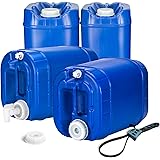
Legacy Food Storage Emergency Water Storage Containers, Long Term 5 Gallon Water Tank - 4 Stackable Food Grade Tanks Included, for Camping, Prepping, Survival - 20 Gallon Total Capacity
$117.00 (as of March 31, 2026 03:01 GMT -04:00 - More infoProduct prices and availability are accurate as of the date/time indicated and are subject to change. Any price and availability information displayed on [relevant Amazon Site(s), as applicable] at the time of purchase will apply to the purchase of this product.)
Dehydrated Chopped Onions Emergency Food Supply, 130 Servings, 25 Year Shelf Life, Great for Cooking and Baking - Dehydrated Meals, Survival Food Camping Essentials Can
$21.99 (as of March 31, 2026 03:01 GMT -04:00 - More infoProduct prices and availability are accurate as of the date/time indicated and are subject to change. Any price and availability information displayed on [relevant Amazon Site(s), as applicable] at the time of purchase will apply to the purchase of this product.)
Cheese Sauce Mix Can Emergency Food Supply, 87 Servings, 10 Year Shelf Life - Shelf Stable Cheddar Cheese Powder Canned Food
$23.35 (as of March 31, 2026 03:01 GMT -04:00 - More infoProduct prices and availability are accurate as of the date/time indicated and are subject to change. Any price and availability information displayed on [relevant Amazon Site(s), as applicable] at the time of purchase will apply to the purchase of this product.)