
The most common myths about emergency preparedness can significantly hinder effective planning and response during crises. One prevalent misconception is that emergency preparedness is only essential for individuals living in high-risk areas, such as those prone to natural disasters.
Misunderstanding the importance of emergency preparedness can have dire consequences. For instance, those who believe they are safe because they live in a low-risk area might neglect to create a plan, leaving them vulnerable during unexpected events. Furthermore, waiting until the last minute to gather supplies can result in shortages or the inability to acquire necessary items, leading to heightened stress and risk during an actual emergency. Personalizing emergency kits based on family needs, medical conditions, and local hazards is critical for effective preparedness.
Common mistakes often arise from these myths. For example, many individuals think that one emergency kit can serve all family members, which can lead to inadequate supplies in critical moments. A well-rounded approach to emergency preparedness includes assessing unique needs, such as dietary restrictions, medical supplies, and even pet care. Prioritizing these factors ensures that families are truly ready to face emergencies.
Myth 1: Emergency Preparedness Is Only for High-Risk Areas
A common misconception is that emergency preparedness is only necessary for those living in areas prone to natural disasters such as hurricanes, earthquakes, or floods. This belief is misleading and can lead to a lack of preparedness among individuals who may face other types of emergencies, such as fires, chemical spills, or civil unrest. Emergencies can occur anywhere and at any time, making preparedness essential for everyone.
In reality, even urban environments face unique risks that can necessitate emergency planning. For instance, power outages, transportation disruptions, and public health crises can affect any community, regardless of its perceived risk level. Therefore, individuals should understand that preparedness is not solely about geographic risk but also about personal and community vulnerabilities.
Furthermore, the assumption that one does not need to prepare unless they live in a high-risk area can lead to complacency. By developing a comprehensive emergency plan, individuals can ensure they are ready for a variety of scenarios, thus enhancing their overall safety and resilience.
Myth 2: Supplies Can Be Gathered Last Minute
Another prevalent myth is the belief that emergency supplies can be quickly gathered at the last moment. This notion can lead to panic and chaos, especially during an actual emergency when stores may be overwhelmed or supplies may be depleted. In reality, effective preparedness requires advance planning and the accumulation of necessary resources over time.
Waiting until a crisis occurs to gather supplies often results in inadequate resources. For example, individuals may find themselves unable to purchase essential items like water, food, or medical supplies during a disaster. To avoid this pitfall, it is advisable to create a comprehensive emergency kit well in advance, including non-perishable food, water, first aid supplies, and any other necessary items tailored to family needs.

Moreover, having a plan for regular inventory checks and replenishing supplies can ensure that kits remain up-to-date and ready for use. This proactive approach not only alleviates stress during emergencies but also enhances overall preparedness.
Myth 3: One-Size-Fits-All Emergency Kits
Many people assume that a standard emergency kit will suffice for all family members, which is a significant oversight. Each individual has unique needs, including dietary restrictions, medical conditions, and personal preferences, which must be considered when assembling an emergency kit.
For instance, a family member with specific health conditions may require medications or medical supplies that should be included in the kit. Additionally, families with pets should ensure they have food, water, and other supplies for their animals. Personalizing emergency kits based on these factors ensures that everyone is adequately prepared and can respond effectively during a crisis.
Furthermore, individuals should regularly review and update their kits to reflect any changes in family circumstances, such as new medical needs or changes in dietary preferences. This attention to detail can make a critical difference in emergency situations.
Myth 4: Emergency Plans Are Only Necessary for Natural Disasters
Another misconception is that emergency plans are only necessary for natural disasters. In reality, emergencies can arise from various sources, including technological failures, civil disturbances, and health crises. Therefore, having a comprehensive emergency plan that addresses multiple scenarios is crucial for effective preparedness.
For example, during a public health crisis, such as a pandemic, individuals may need to implement different strategies compared to a natural disaster. These strategies could involve social distancing, quarantining, or accessing medical care, all of which require well-thought-out plans. Therefore, a one-size-fits-all approach to emergency planning is ineffective.
By considering a wide range of potential emergencies and developing tailored response plans, individuals can enhance their resilience and adaptability, making them better prepared for whatever challenges may arise.
Further Reading
Authoritative Sources
- Ready.gov
ready.govOffers comprehensive resources for emergency preparedness for families and individuals
- American Red Cross
redcross.orgProvides essential guidance on creating emergency plans and kits tailored to individual needs
- FEMA Preparedness
fema.govA government resource offering tools and information for effective emergency planning
- CDC Emergency Preparedness
cdc.govFocuses on health-related emergency preparedness and response strategies
Frequently Asked Questions
What should I include in my emergency kit?
Your emergency kit should include water, non-perishable food, a flashlight, batteries, a first aid kit, medications, important documents, and personal items tailored to your family’s needs.
How often should I update my emergency plan?
It’s advisable to review and update your emergency plan at least once a year or whenever there are significant changes in your family’s circumstances.
What is the most common mistake in emergency preparedness?
One of the most common mistakes is assuming that emergency kits are one-size-fits-all, leading to inadequate supplies for individual family members’ needs.
How can I prepare for a pandemic?
To prepare for a pandemic, stock up on essential supplies, stay informed about health guidelines, and develop a plan for social distancing and remote communication.
Is it necessary to have a family communication plan?
Yes, having a family communication plan is crucial to ensure all members know how to reach each other during an emergency.
Conclusion
Understanding the most common myths about emergency preparedness is vital for developing effective safety plans. By recognizing that preparedness is necessary for everyone, that supplies should be gathered ahead of time, and that emergency kits must be personalized, individuals can significantly enhance their readiness for various emergencies. Moreover, acknowledging that emergencies extend beyond natural disasters allows for a more comprehensive approach to planning. Ultimately, prioritizing these factors will lead to better outcomes during crises and ensure that families are equipped to face unexpected challenges.
Related Content

Grizzly Gear Emergency Food Rations- 3600 Calorie Blueberry Bar - 3 Day, 72 Hour Supply For Disaster, Hurricane, Flood Preparedness - Less Sugar, More Nutrients Than Leading Brands - 5 Year Shelf Life
$19.99 (as of March 31, 2026 03:01 GMT -04:00 - More infoProduct prices and availability are accurate as of the date/time indicated and are subject to change. Any price and availability information displayed on [relevant Amazon Site(s), as applicable] at the time of purchase will apply to the purchase of this product.)
Grizzly Gear Emergency Food Rations- 3600 Calorie Bar (Vanilla Poundcake) - 3 Day, 72 Hour Ready To Eat Supply For Disaster, Hurricane, Flood Preparedness - Non Thirst Provoking - 5 Year Shelf Life
$19.99 (as of March 31, 2026 03:01 GMT -04:00 - More infoProduct prices and availability are accurate as of the date/time indicated and are subject to change. Any price and availability information displayed on [relevant Amazon Site(s), as applicable] at the time of purchase will apply to the purchase of this product.)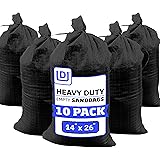
DURASACK Heavy Duty Sand Bags with Tie Strings Empty Woven Polypropylene Sand-Bags for Flood Control with 1600 Hours of UV Protection, 50 lbs Capacity, 14x26 inches, Black, Pack of 10
$9.85 (as of March 31, 2026 03:01 GMT -04:00 - More infoProduct prices and availability are accurate as of the date/time indicated and are subject to change. Any price and availability information displayed on [relevant Amazon Site(s), as applicable] at the time of purchase will apply to the purchase of this product.)
4Patriots Emergency Food Bars: Non-Perishable S.O.S Ration Designed to Last 5 Years, 9 Servings
$16.95 (as of March 31, 2026 03:01 GMT -04:00 - More infoProduct prices and availability are accurate as of the date/time indicated and are subject to change. Any price and availability information displayed on [relevant Amazon Site(s), as applicable] at the time of purchase will apply to the purchase of this product.)