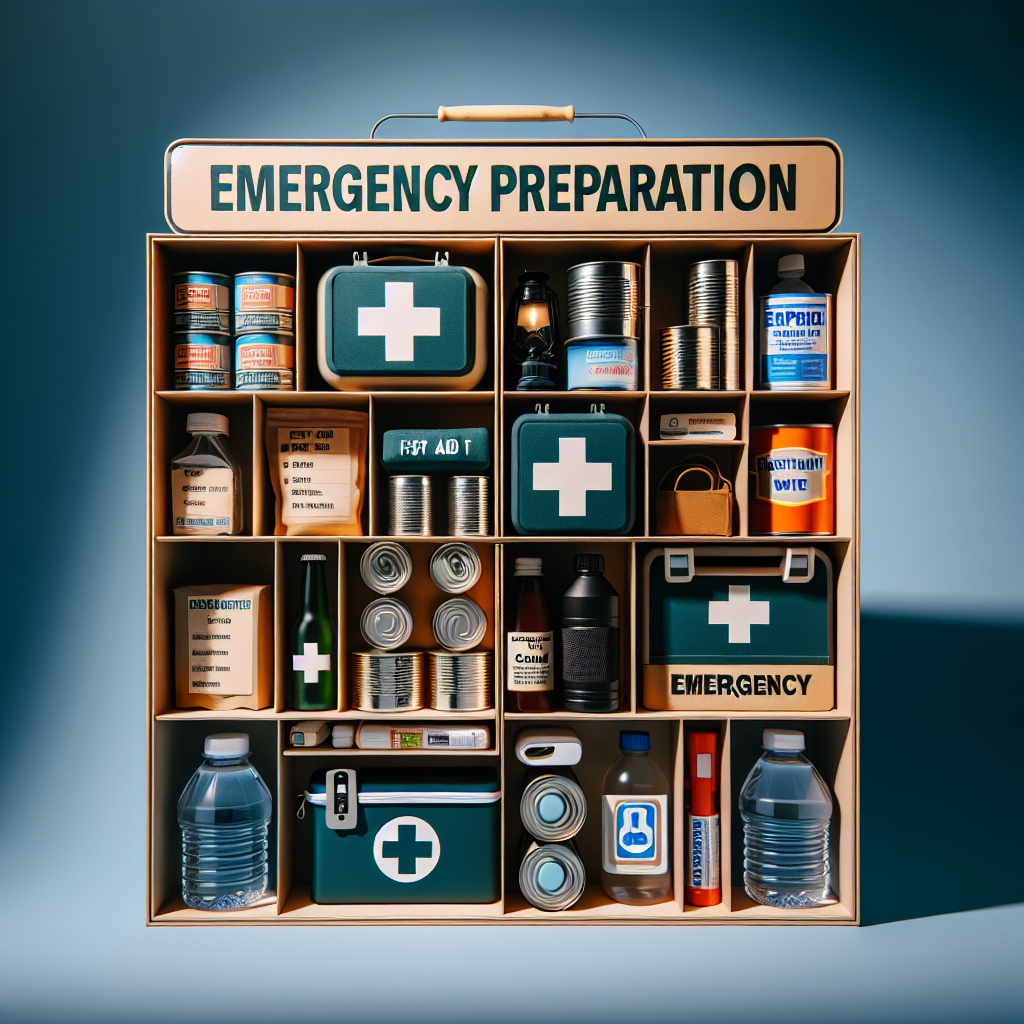
Staying informed when internet access is unavailable requires a strategic approach to utilize offline resources effectively. Methods such as utilizing emergency radios, printed newspapers, community bulletin boards, and even word of mouth can ensure you receive essential updates.
Understanding the limitations of your local infrastructure is vital. Many communities have established protocols for disseminating information during outages, ensuring that critical updates reach residents. Relying solely on one source, like a radio or a single community bulletin, may lead you to miss important information. Having a diversified strategy ensures comprehensive coverage.
It’s important to be aware of common pitfalls. Many individuals overlook the value of local news outlets or community-driven initiatives that provide information during outages. Additionally, not having a battery-operated radio or a stockpile of printed resources can leave you unprepared. Assess your immediate environment and consider your options for staying informed.
The Importance of Offline Information Sources
Maintaining access to information without internet connectivity is crucial, especially in emergencies. Offline sources can provide updates on weather conditions, emergency alerts, and local news. These resources often have the advantage of being immediate and accessible, especially in rural areas where internet access may be limited.

Investing in reliable offline sources ensures that you can remain informed even when digital channels are unavailable. This can include subscribing to local newspapers, keeping a list of emergency contacts, and having a battery-powered radio. By preparing ahead of time, you can mitigate the risks associated with information blackouts.
Moreover, understanding how to access these resources can make a significant difference. For instance, knowing the schedule for local radio broadcasts or where to find community bulletin boards can help you stay ahead of the curve. Prioritizing these sources before an emergency occurs is essential.
Practical Methods for Staying Updated
There are several practical methods to ensure you stay updated without internet access. Utilizing a battery-operated or hand-crank radio can provide real-time emergency updates and alerts from local authorities. Additionally, printed newspapers can be a valuable resource for daily news and community events.
Creating a personal emergency information kit can also be beneficial. This kit should include a list of essential contacts, printed maps, and instructions for accessing public services. By having these materials organized, you can quickly reference them when needed, ensuring you don’t waste time searching for information during a crisis.

It’s also wise to establish a communication plan with family and friends. Agree on meeting points and methods of communication that do not rely on the internet, such as using walkie-talkies or designated locations where you can gather for updates.
Community Resources for Information
Community resources play a pivotal role in keeping residents informed. Local libraries, community centers, and schools often serve as hubs for information dissemination. They may provide printed materials or host meetings where local leaders share important updates.
Additionally, local government offices typically have protocols in place for sharing information during emergencies. It can be beneficial to familiarize yourself with these resources ahead of time. Knowing where to turn for information can save valuable time and ensure you receive accurate updates.
Engaging with community groups can also enhance your information network. Joining local organizations or neighborhood watch groups can provide access to a wider array of information sources, ensuring you are well-informed about local issues and updates.
Potential Challenges and Solutions
While staying informed offline is essential, there are challenges to consider. Limited access to resources, such as outdated newspapers or unreliable radio broadcasts, can lead to misinformation. To counter this, it is important to diversify your sources and verify information whenever possible.
Another challenge is the tendency to rely too heavily on a single source for updates. For instance, if you only listen to one radio station, you may miss critical information broadcasted elsewhere. To overcome this, keep a list of alternative sources and ensure you check multiple channels regularly.
Finally, maintaining a proactive mindset is vital. Regularly review your emergency preparedness plan and update your resources to reflect current events and local conditions. This will help you stay informed and ready, even when internet access is unavailable.
Further Reading
Authoritative Sources
- Ready.gov
ready.govThis government resource provides essential information on emergency preparedness and staying informed during crises
- American Red Cross
redcross.orgOffers resources on disaster preparedness and access to emergency information
- National Weather Service
nws.noaa.govnoaa.govA reliable source for weather updates and alerts, especially during severe weather conditions
Frequently Asked Questions
What should I include in my emergency information kit?
Your kit should include a list of emergency contacts, printed maps, battery-operated radio, flashlight, and basic supplies.
How can I verify information received from offline sources?
Cross-check information with multiple offline sources, such as different radio stations or community bulletin boards.
Are there specific local resources I should be aware of?
Yes, local libraries, community centers, and government offices often provide valuable information during outages.
What types of radios are best for emergencies?
Battery-operated or hand-crank radios are recommended as they do not rely on electricity or internet access.
How can I stay connected with family during an emergency?
Establish a communication plan that includes designated meeting points and alternative communication methods like walkie-talkies.
Conclusion
Staying informed without internet access is not only possible but essential during emergencies. By utilizing offline resources like radios, newspapers, and community connections, you can ensure you receive critical updates. Prioritize creating an emergency information kit and diversifying your sources to mitigate the risks associated with information gaps. Regularly review and adapt your strategies to remain prepared, ensuring you are ready for any situation that may arise.
Related Content
- Transform Your Home: The Ultimate Guide to Prepping Home Water Supply for Any Crisis
- Can I be fully self-reliant while living in an urban area?
- How to Build a Comprehensive Emergency Preparedness Plan in 10 Easy Steps
- The Ultimate 2025 Guide to an Effective Emergency Plan for Families (10 Proven Strategies)
- Where can I find affordable tools for emergency preparation?

DURASACK Heavy Duty Sand Bags with Tie Strings Empty Woven Polypropylene Sand-Bags for Flood Control with 1600 Hours of UV Protection, 50 lbs Capacity, 14x26 inches, Black, Pack of 10
$9.85 (as of March 31, 2026 03:01 GMT -04:00 - More infoProduct prices and availability are accurate as of the date/time indicated and are subject to change. Any price and availability information displayed on [relevant Amazon Site(s), as applicable] at the time of purchase will apply to the purchase of this product.)
ReadyWise 30 Day Emergency Food Supply - 296 Servings, 2 Buckets, Freeze Dried Protein Meals, Survival Food Storage, Ready to Eat, up to 25 Year Shelf Life
$186.99 (as of March 31, 2026 03:01 GMT -04:00 - More infoProduct prices and availability are accurate as of the date/time indicated and are subject to change. Any price and availability information displayed on [relevant Amazon Site(s), as applicable] at the time of purchase will apply to the purchase of this product.)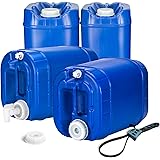
Legacy Food Storage Emergency Water Storage Containers, Long Term 5 Gallon Water Tank - 4 Stackable Food Grade Tanks Included, for Camping, Prepping, Survival - 20 Gallon Total Capacity
$117.00 (as of March 31, 2026 03:01 GMT -04:00 - More infoProduct prices and availability are accurate as of the date/time indicated and are subject to change. Any price and availability information displayed on [relevant Amazon Site(s), as applicable] at the time of purchase will apply to the purchase of this product.)
Emergency Food Supply - Chocolate Survival Ration - 20 Years Shelf Life - 1 Day
$9.95 (as of March 31, 2026 03:01 GMT -04:00 - More infoProduct prices and availability are accurate as of the date/time indicated and are subject to change. Any price and availability information displayed on [relevant Amazon Site(s), as applicable] at the time of purchase will apply to the purchase of this product.)