Supply chain disruptions can significantly impact grocery availability, making it crucial to proactively prepare. Begin by evaluating your current food supplies and identifying essential items that your household requires.
Consider the factors that contribute to supply chain disruptions, including transportation issues, natural disasters, or global events. These can affect the delivery of goods to your local stores, leading to empty shelves. Prioritizing your grocery needs and understanding which items are most likely to be affected can help you make informed decisions about what to purchase and when.
Another common mistake is underestimating the importance of rotation in your food stock. Regularly check expiration dates and consume older items first to minimize waste. A well-structured inventory not only ensures you have what you need but also helps you avoid unnecessary trips to the store during a crisis.
Identifying Essential Food Items
Identifying what food items are essential for your household is the first step in preparing for supply chain disruptions. Focus on staples that offer nutritional value and can last for extended periods. Items like rice, pasta, canned vegetables, and legumes are excellent choices as they are versatile and have long shelf lives.

When selecting items, consider dietary restrictions and preferences within your family. This ensures that everyone has access to the foods they need, which can be crucial during prolonged shortages. Keep a list of these items handy to refer to when shopping or restocking.
Additionally, do not overlook the importance of snacks and comfort foods. While they may not be essential for survival, having familiar items can provide psychological comfort during stressful times. Balancing nutritious foods with occasional treats can help maintain morale.
Creating a Stocking Plan
A stocking plan is vital to ensure you have adequate supplies without over-purchasing. Start by assessing how much food your household consumes weekly and multiply that by the number of weeks you want to prepare for shortages. This helps you understand the quantity of each essential item to stock.
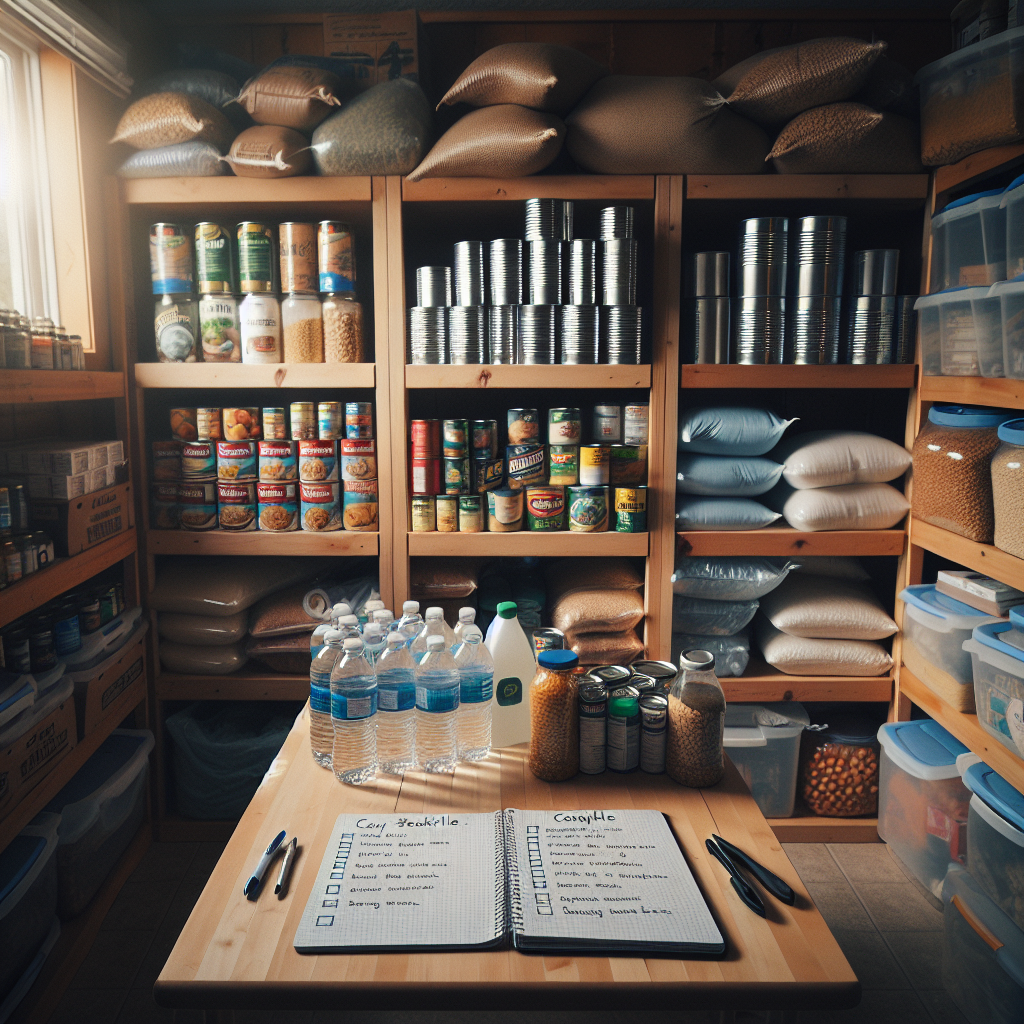
Consider creating a chart that outlines your inventory and tracks expiration dates. This method allows you to visualize what you have and what needs to be consumed first. Regularly updating this chart can save time and prevent panic buying when disruptions occur.

Moreover, engage family members in your stocking plan. By discussing what items are important to everyone, you can make informed decisions that cater to the entire household. This collaborative approach can also make the process more enjoyable.
Understanding Supply Chain Risks
Understanding the risks associated with supply chain disruptions is crucial for effective preparation. Factors such as geopolitical tensions, natural disasters, and economic fluctuations can all contribute to food shortages. Being aware of these risks can help you adapt your stocking strategy accordingly.
For instance, if a natural disaster is forecasted, it may be wise to stock up on water and non-perishable foods in advance. Similarly, during times of political unrest or economic downturns, certain foods may become scarce. Staying informed through reliable news sources can provide insights into potential disruptions.
Additionally, consider diversifying your food sources. Local farmers’ markets or community-supported agriculture (CSA) programs can provide alternatives to traditional grocery stores, often with fresher produce. This not only supports local economies but also helps reduce reliance on broader supply chains.
Maintaining Food Freshness and Safety
Maintaining the freshness and safety of your food inventory is paramount, especially during disruptions. Ensure that your storage areas are cool, dry, and dark to prolong the shelf life of your items. Proper organization can also help you quickly access what you need.
Implement a rotation system where you use older items first. This practice minimizes spoilage and waste, ensuring that your food supply remains viable. Additionally, be mindful of how you store different types of food. For example, canned goods should be stored in a cool area, while dried goods should be kept in airtight containers to prevent moisture damage.
Regularly assess your inventory for any signs of spoilage or pests. Taking proactive measures can prevent larger issues and ensure that your food supply remains safe and healthy.
Further Reading
Authoritative Sources
- Food Safety Modernization Act (FSMA)
fda.govThis resource provides guidelines on food safety and storage, helping you keep your food supply safe during disruptions
Frequently Asked Questions
What are the best foods to stock for emergencies?
Stock non-perishable items like canned goods, grains, pasta, and dried fruits, which have long shelf lives and provide essential nutrients.
How long should my food supply last during a disruption?
Aim for at least two weeks’ worth of food to ensure you can manage during short-term disruptions.
How do I prevent food spoilage in my inventory?
Store food in cool, dry places, use airtight containers, and implement a first-in, first-out system to minimize spoilage.
What should I do if I run out of essential items?
Consider alternative sources such as local farmers’ markets or community food banks to find essential items when grocery stores are low.
How can I stay informed about potential supply chain disruptions?
Follow reliable news sources and government updates to stay informed about events that could impact food supply chains.
Conclusion
Preparing for supply chain disruptions affecting groceries requires a proactive approach. Assess your food inventory, identify essential items, and create a stocking plan that meets your household’s needs. Stay informed about potential risks and maintain your food supply’s freshness and safety. By taking these steps, you can ensure that you are well-equipped to handle any disruptions that may arise.
Related Content
- What Emergency Gear Works Best in Rural Environments: Essential Items for Safety and Preparedness
- Who should be involved in creating a family disaster plan?
- Transform Your Space: Innovative Strategies for Preparing Home for Crisis
- Can I practice preparedness without sacrificing comfort?
- Top Skills Every Prepper Needs to Learn

S.O.S. Rations Emergency 3600 Calorie Food Bar (Cinnamon + Coconut, 2 Pack)
$18.05 (as of March 31, 2026 03:01 GMT -04:00 - More infoProduct prices and availability are accurate as of the date/time indicated and are subject to change. Any price and availability information displayed on [relevant Amazon Site(s), as applicable] at the time of purchase will apply to the purchase of this product.)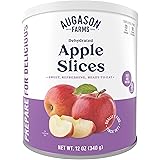
Dehydrated Apple Slices Emergency Food Supply, 20 Servings, 25 Year Shelf Life, Great for Cooking, Baking, and Snacks - Dehydrated Meals, Survival Food Camping Essentials Can
$44.49 (as of March 31, 2026 03:01 GMT -04:00 - More infoProduct prices and availability are accurate as of the date/time indicated and are subject to change. Any price and availability information displayed on [relevant Amazon Site(s), as applicable] at the time of purchase will apply to the purchase of this product.)
Cheese Sauce Mix Can Emergency Food Supply, 87 Servings, 10 Year Shelf Life - Shelf Stable Cheddar Cheese Powder Canned Food
$23.35 (as of March 31, 2026 03:01 GMT -04:00 - More infoProduct prices and availability are accurate as of the date/time indicated and are subject to change. Any price and availability information displayed on [relevant Amazon Site(s), as applicable] at the time of purchase will apply to the purchase of this product.)
4Patriots 4-Week Survival Food Kit: Emergency Food Supply Designed to Last 25 Years, 192 Servings
$247.00 (as of March 31, 2026 03:01 GMT -04:00 - More infoProduct prices and availability are accurate as of the date/time indicated and are subject to change. Any price and availability information displayed on [relevant Amazon Site(s), as applicable] at the time of purchase will apply to the purchase of this product.)