It’s important to understand that preparedness does not have to be expensive. Many effective strategies can be implemented at minimal cost. For instance, you can utilize community resources, such as local food banks or emergency management programs, which often provide free or low-cost supplies. Prioritizing items that offer the most utility and exploring DIY options can help stretch your budget further.
Identify Your Essential Needs
Start by assessing what you need based on your household’s unique circumstances. Consider factors like the number of family members, pets, and any special needs that may require additional resources. Having a clear understanding of your essential requirements will help streamline your purchasing decisions.
Many individuals overlook the importance of tailoring their preparedness plans to fit their specific situations. For example, families with young children may prioritize baby supplies, while those in rural areas might focus on food storage and water purification methods. By identifying these needs early, you can avoid wasting money on unnecessary items.
Budgeting for Preparedness Supplies
Establish a budget for your preparedness plan that fits comfortably within your financial means. Start by setting aside a small amount each month, which can accumulate over time to fund essential supplies. This method allows you to build your stockpile gradually without straining your finances.
Common mistakes include overspending on fancy gear or supplies that are not truly necessary. Focus on acquiring versatile items that can serve multiple purposes, such as a multi-tool or a first aid kit. Prioritize purchasing non-perishable food items and water purification supplies, as these are foundational for any preparedness plan.
Utilizing Community Resources
Many communities offer resources that can aid in building your preparedness plan without significant expense. Local organizations, such as Red Cross chapters, often provide free workshops and resources to help families prepare for emergencies. Additionally, local governments may have programs to assist residents in obtaining essential supplies.
Engaging with your community can also provide opportunities to share resources. For example, consider joining a preparedness group or forum where members can trade or share surplus supplies. This not only helps you save money but also fosters a sense of community and support during tough times.
DIY Solutions for Emergency Preparedness
Creating your own preparedness supplies can significantly reduce costs. For instance, you can make homemade cleaning supplies, first aid kits, or even food preservation methods such as canning. Researching DIY solutions can provide valuable knowledge and skills that enhance your preparedness without breaking the bank.

People often underestimate the effectiveness of DIY projects. Simple items like a solar oven made from a cardboard box can be a cost-effective alternative for cooking during power outages. Prioritize learning these skills ahead of time to ensure you are prepared when an emergency arises.
Further Reading
Authoritative Sources
- Ready.gov
ready.govOfficial U.S. preparedness guidance, checklists, and planning resources for households and emergencies.
- FEMA
fema.govFederal emergency management resources, disaster planning information, and recovery guidance.
- American Red Cross Emergency Preparedness
redcross.orgPractical emergency preparation steps, supply lists, and safety guidance for families.
- National Weather Service
weather.govOfficial forecasts, hazard alerts, and weather safety information.
- CDC Emergency Preparedness and Response
cdc.govPublic health guidance for emergencies, disasters, and recovery situations.
Frequently Asked Questions
What are the most essential items for a preparedness plan?
The most essential items include water, non-perishable food, a first aid kit, flashlights, batteries, and basic hygiene supplies.
How can I prepare for emergencies on a low income?
Start by budgeting a small amount each month for essential supplies, utilize community resources, and consider DIY solutions to save money.
Are there free resources available for emergency preparedness?
Yes, many local organizations, such as the Red Cross, offer free workshops and resources to help families prepare for emergencies.
What should I prioritize first in my preparedness plan?
Prioritize water, a reliable food supply, and a first aid kit as these are foundational for survival during emergencies.
Can I make my own emergency supplies?
Absolutely! Many emergency supplies, such as cleaning products and first aid kits, can be made at home using common ingredients and materials.
Conclusion
Building a preparedness plan on a tight budget is achievable with thoughtful planning and resourcefulness. Focus on identifying your essential needs, budgeting for supplies, utilizing community resources, and exploring DIY solutions. By taking these steps, you can create a robust preparedness plan that ensures safety without financial strain. Start today by assessing your needs and allocating funds wisely to build your emergency supplies gradually.
Related Content
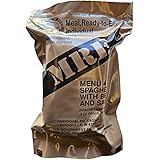
Genuine USGI Individual MRE [Meal, Ready to Eat] Inspection Date 01/2024 or Newer - You Choose Menu - Complete Ration with Entree, Snacks, Dessert, Drink Mix, Utensils, Condiments and FRH. (#4 Spaghetti)
$13.85 (as of April 1, 2026 03:28 GMT -04:00 - More infoProduct prices and availability are accurate as of the date/time indicated and are subject to change. Any price and availability information displayed on [relevant Amazon Site(s), as applicable] at the time of purchase will apply to the purchase of this product.)
Wornick Sopacko, Ameriqual MRE Meals Ready to Eat Inspection dates 2025 or 2026 or Better , Emergency Food Supply, Survival Camping Outdoor (INSPECTION DATE IS NOT EXPIRATION DATE) 12 Pack(A & B Case Bundle, 2, Count)
$84.00 (as of April 1, 2026 03:28 GMT -04:00 - More infoProduct prices and availability are accurate as of the date/time indicated and are subject to change. Any price and availability information displayed on [relevant Amazon Site(s), as applicable] at the time of purchase will apply to the purchase of this product.)
3 Pack 40 Gallon Water Storage Bladder, Heavy Duty Food-Grade Plastic Bag, BPA-Free, Foldable and Resuable. Ideal for Emergency Water Bank, Camping, Gardening & Agricultural Irrigation
$30.99 (as of April 1, 2026 03:28 GMT -04:00 - More infoProduct prices and availability are accurate as of the date/time indicated and are subject to change. Any price and availability information displayed on [relevant Amazon Site(s), as applicable] at the time of purchase will apply to the purchase of this product.)
Hitituto Rain Ponchos for Adults - Extra Long Emergency Poncho with Hood, 6/12/24 Family Pack Raincoat, Home Survival Kits
$9.99 (as of April 1, 2026 03:28 GMT -04:00 - More infoProduct prices and availability are accurate as of the date/time indicated and are subject to change. Any price and availability information displayed on [relevant Amazon Site(s), as applicable] at the time of purchase will apply to the purchase of this product.)