When comparing solar generators vs gas generators for emergencies, understand their distinct advantages and limitations. Solar generators harness sunlight to produce electricity, making them a clean and sustainable option. In contrast, gas generators rely on fossil fuels, offering higher power output and faster refueling options. The choice between these two types often hinges on specific emergency scenarios, budget, and personal preferences.
Solar generators excel in silent operation and low maintenance, making them ideal for situations where noise is a concern or when prolonged use is necessary. However, their reliance on sunlight for recharging can be a drawback during prolonged cloudy weather or at night. Gas generators, while noisier and requiring more maintenance, provide a rapid power solution, especially in situations demanding immediate energy supply. Understanding these nuances is crucial for effective emergency preparedness.
Common mistakes include underestimating the power requirements for essential devices, leading to inadequate performance from the chosen generator. Additionally, many users overlook the importance of fuel storage for gas generators, which can result in operational failures during critical times. Prioritizing a generator that meets specific energy needs, while also considering factors such as portability and environmental impact, is vital for effective emergency preparedness.

Understanding Solar Generators
Solar generators are portable power systems that convert sunlight into electricity through photovoltaic cells. These systems typically include batteries for energy storage, allowing them to provide power even when sunlight is not available. The primary advantage of solar generators is their environmentally friendly operation, as they produce no emissions during use. They are also quiet, making them suitable for residential areas or during camping trips.
Despite their advantages, solar generators come with certain limitations. Their power output is often lower than gas generators, which means they may struggle to run high-demand devices simultaneously. Additionally, the initial investment can be steep, although long-term savings on fuel and maintenance can offset this cost. Users should assess their energy needs carefully, ensuring that the solar generator they choose can handle their essential devices.
Many users make the mistake of underestimating the amount of sunlight needed to keep their solar generators charged. It’s crucial to consider geographical location and seasonal variations in sunlight when determining the viability of solar generators for emergency situations. Prioritizing solar generators for low-power needs or as a supplementary power source can enhance their effectiveness.

Gas Generators: Capabilities and Limitations
Gas generators operate on gasoline, diesel, or propane, allowing them to produce electricity rapidly. They are often more powerful than solar generators, making them suitable for running multiple high-demand appliances during emergencies. The convenience of quick refueling is another significant benefit, as users can easily replenish fuel supplies to maintain ongoing power.
However, gas generators come with notable drawbacks, including noise pollution and emissions, which can pose health risks in confined spaces. Additionally, they require regular maintenance, such as oil changes and fuel stabilization, to ensure optimal performance. Users must also consider the storage of fuel, which can become a logistical challenge during prolonged emergencies.
A common oversight is the failure to account for the generator’s fuel consumption rate. Users should calculate how much fuel will be needed based on the expected load and duration of operation. This helps in planning ahead and ensures that sufficient fuel is available when needed most.
Comparative Analysis: Cost and Efficiency
When evaluating the cost of solar vs. gas generators, initial purchase prices often favor gas generators, which can be found at lower price points. However, the long-term costs of ownership differ significantly. Solar generators, while more expensive upfront, can offer substantial savings on fuel and maintenance over time, especially in areas with abundant sunlight.
Efficiency also varies between the two types. Solar generators convert sunlight into electricity with minimal waste, while gas generators have an efficiency rate influenced by fuel type and engine design. Users should weigh these factors against their specific needs and budget constraints when making a decision.
Another consideration is the total energy output over time. Solar generators may not provide enough power for extended periods without sunlight, whereas gas generators can operate continuously as long as fuel is available. This can be a critical deciding factor in emergency scenarios where prolonged power is necessary.
Real-World Use Cases and Recommendations
In emergency situations, the choice between solar and gas generators often depends on the context of the power outage. For instance, solar generators are ideal for short-term outages where minimal power is required for devices like lights, phone chargers, and small appliances. They are also beneficial for outdoor activities and camping where portability is key.
Conversely, gas generators are more suitable for extended outages or when running multiple large appliances, such as refrigerators, heaters, or power tools. Their ability to provide immediate power is invaluable in scenarios where time is of the essence. Users should assess their immediate needs and long-term plans to determine the most appropriate generator type.
a hybrid approach can offer the best of both worlds. Using a solar generator for daily needs and a gas generator for emergency backups can provide flexibility and ensure preparedness for various situations. This dual strategy allows users to benefit from the advantages of both technologies while mitigating their respective downsides.
Further Reading
Authoritative Sources
- Ready.gov
ready.govOfficial U.S. preparedness guidance, checklists, and planning resources for households and emergencies. - FEMA
fema.govFederal emergency management resources, disaster planning information, and recovery guidance. - American Red Cross Emergency Preparedness
redcross.orgPractical emergency preparation steps, supply lists, and safety guidance for families. - National Weather Service
weather.govOfficial forecasts, hazard alerts, and weather safety information. - CDC Emergency Preparedness and Response
cdc.govPublic health guidance for emergencies, disasters, and recovery situations.
Frequently Asked Questions
Are solar generators worth the investment?
Yes, especially for users in sunny regions. They offer long-term savings on fuel and maintenance costs, making them a sustainable choice.
How much power can a typical gas generator produce?
Gas generators can vary widely, but many produce between 2,000 to 10,000 watts, sufficient for most household appliances during emergencies.
Can I use both types of generators together?
Absolutely! Many users benefit from having both solar and gas generators for flexibility and preparedness in different situations.
What maintenance is required for each generator type?
Solar generators require minimal maintenance, primarily keeping solar panels clean, while gas generators need regular oil changes and fuel checks.
Conclusion
the choice between solar generators and gas generators for emergencies depends on individual needs, preferences, and specific scenarios. Solar generators provide a sustainable and quiet solution for short-term power needs, while gas generators offer rapid and robust power capabilities for extended outages. Evaluating the pros and cons of each, understanding your energy requirements, and considering potential use cases are vital steps in making an informed decision. a hybrid approach may provide the best balance, ensuring preparedness for a range of emergency situations.
Related Content
- 5 Quick Tips for Power Outage Preparation
- The Ultimate Guide to 2025 Preparedness Kit for Family: 10 Effective Tips
- How to Build Community Support Networks for Preparedness
- What’s in Your Survival Kit? The Critical Items You Might Be Missing
- “Think Ahead: Ingenious Emergency Shelter Setup Ideas for Unforeseen Crises”

Ready Hour, Black Bean Burger Mix, Real Non-Perishable Recipe, 25-Year Shelf Life, Emergency and Adventure Food Supply, Includes 10 Resealable Pouches, 60 Servings
$59.95 (as of March 30, 2026 02:34 GMT -04:00 - More infoProduct prices and availability are accurate as of the date/time indicated and are subject to change. Any price and availability information displayed on [relevant Amazon Site(s), as applicable] at the time of purchase will apply to the purchase of this product.)
Cheese Sauce Mix Can Emergency Food Supply, 87 Servings, 10 Year Shelf Life - Shelf Stable Cheddar Cheese Powder Canned Food
$23.35 (as of March 30, 2026 02:34 GMT -04:00 - More infoProduct prices and availability are accurate as of the date/time indicated and are subject to change. Any price and availability information displayed on [relevant Amazon Site(s), as applicable] at the time of purchase will apply to the purchase of this product.)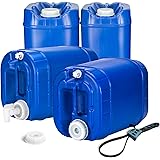
Legacy Food Storage Emergency Water Storage Containers, Long Term 5 Gallon Water Tank - 4 Stackable Food Grade Tanks Included, for Camping, Prepping, Survival - 20 Gallon Total Capacity
$117.00 (as of March 30, 2026 02:34 GMT -04:00 - More infoProduct prices and availability are accurate as of the date/time indicated and are subject to change. Any price and availability information displayed on [relevant Amazon Site(s), as applicable] at the time of purchase will apply to the purchase of this product.)
Hitituto Rain Ponchos Family Pack Kids– 6/12/24 Pack Disposable Poncho with Hood, Clear & Assorted Colors, Home Survival Kits
$9.99 (as of March 30, 2026 02:34 GMT -04:00 - More infoProduct prices and availability are accurate as of the date/time indicated and are subject to change. Any price and availability information displayed on [relevant Amazon Site(s), as applicable] at the time of purchase will apply to the purchase of this product.)