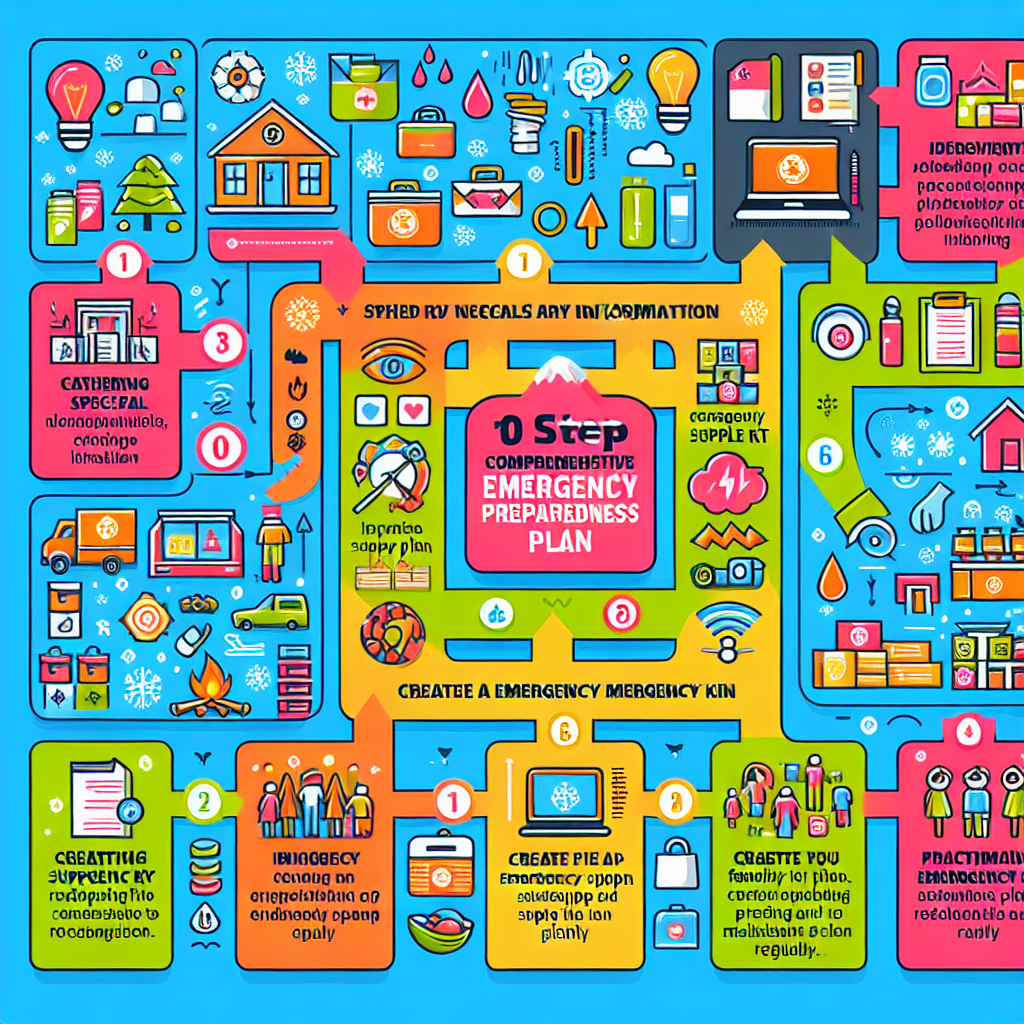
Securing your home during civil unrest situations requires proactive measures to protect yourself and your family. Start by reinforcing entry points such as doors and windows, which can deter potential intruders.
Understanding the dynamics of civil unrest is crucial. Situations can escalate quickly, and maintaining situational awareness is key. Monitor local news and social media for updates, and establish a communication plan with family members to ensure everyone knows how to reach each other. Prioritize securing valuables, as looting may occur during unrest.
Common mistakes include underestimating the seriousness of the situation and failing to prepare. Start preparing before unrest occurs; having a plan in place can make all the difference. Also, avoid confrontational behaviors and focus on safe evacuation routes in case you need to leave your home. Assess your neighborhood for potential risks and collaborate with neighbors to establish a community safety network.
Reinforcing Your Home’s Security
To effectively secure your home, start by reinforcing entry points. This includes installing deadbolts and security systems that can deter unauthorized access. Use window locks and consider adding security film to windows to make them harder to break. Additionally, outdoor lighting can enhance visibility and deter potential threats.
Many homeowners overlook the importance of securing their garage and back doors. These points of entry can be vulnerable, especially if they are not regularly monitored. Ensure all doors have sturdy locks and consider using a security bar for added protection. Regularly check and maintain these security measures to ensure they function properly.
It’s also wise to conduct a security audit of your home. Walk around your property and identify any weak spots or areas that could be improved. For instance, overgrown bushes can provide cover for intruders. Trim these back and ensure your property is well-lit at night. Engaging neighbors in this audit can foster a sense of community and shared responsibility for safety.

Establishing a Communication Plan
A well-thought-out communication plan is essential during civil unrest. Designate a meeting place for family members in case of an emergency, and ensure everyone knows how to reach it. Use group messaging apps to keep in touch during chaotic situations, especially if cell service is disrupted.
Consider creating a contact list with emergency numbers, including local authorities and trusted neighbors. This list should be easily accessible, both digitally and in printed form. Regularly review and update this list to ensure it remains current. Teach family members how to use these resources effectively, especially children.
In times of unrest, emotions can run high, and panic may ensue. Encourage calm communication among family members and establish protocols for checking in with each other. Practice drills to ensure everyone knows what to do in case of an emergency, helping to reduce confusion and anxiety.
Creating a Safe Room
A safe room is a designated area within your home where you can retreat during civil unrest. This space should be secure, stocked with essential supplies, and away from windows. Ideally, it should have a sturdy door that locks and can be barricaded if necessary.
Stock your safe room with food, water, first-aid supplies, flashlights, and a means of communication, such as a charged phone or a radio. Ensure that everyone in your household knows the location of the safe room and how to access it quickly. Practice using this space as part of your emergency drills.
Consider the psychological aspect of having a safe room. It can provide a sense of security and control during uncertain times. Make this space comfortable and familiar, as it may be needed for an extended period. Regularly check supplies and ensure that items are rotated and remain usable.
Staying Informed During Civil Unrest
Staying informed about local developments is crucial during civil unrest. Utilize reliable news sources, social media, and community alerts to gather information. Be cautious of misinformation, as it can lead to panic and poor decision-making.
Establish a routine for checking updates, but avoid becoming overwhelmed by constant news cycles. Focus on actionable information that can directly impact your safety. Local government websites often provide real-time updates and resources that can be invaluable during unrest.
Engage with your community by joining local groups or forums where residents share information and resources. This can foster a sense of solidarity and preparedness among neighbors. Remember that staying informed is not just about safety; it also involves understanding the broader context of the unrest, which can help in making informed decisions.
Further Reading
Authoritative Sources
- Ready.gov
ready.govThis source provides comprehensive guidance on emergency preparedness, including securing your home and family during civil unrest - American Red Cross
redcross.orgThe Red Cross offers resources on creating emergency plans and securing your home in various situations
Frequently Asked Questions
How can I stay informed during civil unrest?
Stay informed by following reliable news sources, monitoring social media, and subscribing to local alerts that provide real-time updates on the situation.
What mistakes should I avoid during civil unrest?
Common mistakes include underestimating the situation, failing to prepare in advance, and engaging in confrontations rather than prioritizing safety and evacuation.
How can I secure my valuables during unrest?
Secure valuables by storing them in a safe place, using security systems, and ensuring your home is well-lit to deter potential intruders.
Is it necessary to have a safe room?
How do I create a safe room?
A safe room is advisable for added security during unrest. To create one, choose a secure area in your home, stock it with supplies, and ensure it has a sturdy lock.
Related Content

AquaPodKit Made in USA - Emergency Bathtub Water Storage Bladder 65-100 Gallon Capacity - BPA Free- Food Grade Materials - Hurricane Disaster Preparedness Supply - Family Survival Supply (Bag)
$32.95 (as of March 30, 2026 02:34 GMT -04:00 - More infoProduct prices and availability are accurate as of the date/time indicated and are subject to change. Any price and availability information displayed on [relevant Amazon Site(s), as applicable] at the time of purchase will apply to the purchase of this product.)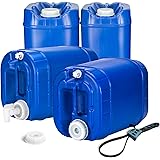
Legacy Food Storage Emergency Water Storage Containers, Long Term 5 Gallon Water Tank - 4 Stackable Food Grade Tanks Included, for Camping, Prepping, Survival - 20 Gallon Total Capacity
$117.00 (as of March 30, 2026 02:34 GMT -04:00 - More infoProduct prices and availability are accurate as of the date/time indicated and are subject to change. Any price and availability information displayed on [relevant Amazon Site(s), as applicable] at the time of purchase will apply to the purchase of this product.)
ReadyWise 30 Day Emergency Food Supply - 296 Servings, 2 Buckets, Freeze Dried Protein Meals, Survival Food Storage, Ready to Eat, up to 25 Year Shelf Life
$186.99 (as of March 30, 2026 02:34 GMT -04:00 - More infoProduct prices and availability are accurate as of the date/time indicated and are subject to change. Any price and availability information displayed on [relevant Amazon Site(s), as applicable] at the time of purchase will apply to the purchase of this product.)
3 Pack 40 Gallon Water Storage Bladder, Heavy Duty Food-Grade Plastic Bag, BPA-Free, Foldable and Resuable. Ideal for Emergency Water Bank, Camping, Gardening & Agricultural Irrigation
$29.99 (as of March 30, 2026 02:34 GMT -04:00 - More infoProduct prices and availability are accurate as of the date/time indicated and are subject to change. Any price and availability information displayed on [relevant Amazon Site(s), as applicable] at the time of purchase will apply to the purchase of this product.)