The most overlooked items in disaster kits often include personal hygiene products, multi-tools, cash, maps, and important documents. These supplies are crucial for maintaining health, safety, and functionality during emergencies, yet they are frequently neglected in standard preparations.
Understanding the importance of these overlooked items can make a significant difference in your ability to cope with emergencies. For instance, personal hygiene products like soap, toothpaste, and sanitary supplies are essential for preventing illness when access to clean facilities is limited. Multi-tools can help with a variety of tasks, from making repairs to preparing food, while cash can be vital in situations where electronic payment systems are down. Maps are critical for navigation if GPS systems fail, and having copies of important documents ensures you can access necessary services and information.
Moreover, neglecting these items often stems from assumptions about what is necessary in a disaster. Many people prioritize food and water, which is understandable, but they may overlook how essential comfort and functionality are during stressful situations. Therefore, reevaluating your disaster kit to include these overlooked items can create a more comprehensive and effective emergency plan.
Personal Hygiene Products
Personal hygiene products are often overlooked in disaster kits, yet they play a critical role in maintaining health and morale. Items such as soap, toothpaste, and sanitary supplies help prevent infections and illnesses that can arise in unsanitary conditions.

Without access to basic hygiene items, individuals may face health risks that complicate recovery efforts. Including these products in your kit can help you stay healthy and comfortable during an emergency. Consider packing travel-sized toiletries to save space while ensuring you have what you need to maintain hygiene.
Multi-tools: Versatility in a Pinch
Multi-tools are invaluable in emergencies for their versatility. These compact devices can serve multiple functions, from cutting to screwing and even opening cans. In a survival situation, having a tool that can perform various tasks is crucial.
Many disaster kits include basic tools, but a multi-tool can consolidate several functions into one item, saving space and weight. When choosing a multi-tool, consider the specific features you may need, such as pliers or a knife, to ensure it meets your requirements.
Cash and Financial Preparedness
Having cash on hand is often overlooked in disaster planning, yet it can be crucial when electronic payment systems fail. In many emergencies, ATMs and credit card systems may not function, leaving individuals without a means to purchase necessary supplies.

Storing small denominations of cash ensures you can buy food, water, and other essentials when traditional payment methods are unavailable. It’s wise to keep this cash in a waterproof container within your disaster kit to protect it from the elements.
Navigating with Maps
In the digital age, reliance on GPS has made physical maps seem obsolete. However, in the event of a disaster, power outages or communication failures can render GPS useless. Having a physical map of your local area and evacuation routes is essential for navigating safely.
Get Preparedness and Self-Reliance Tips. Subscribe Now!
Ensure your maps are up-to-date and include key locations such as hospitals, shelters, and emergency services. Familiarizing yourself with these routes ahead of time prepares you for quick action during a crisis.
Important Documents
Keeping copies of important documents in your disaster kit is often neglected but can be a lifesaver during emergencies. Documents like identification, insurance policies, and medical records are vital for accessing services and resources.
Store these documents in a waterproof pouch to protect them from damage. Consider also including a list of important contacts and medical information to ensure you have everything you need at your fingertips.
Further Reading
For more information on disaster preparedness, consider reviewing resources from organizations such as the FEMA and the American Red Cross. These sites offer comprehensive guidelines on what to include in your disaster kit and how to prepare effectively.
Further Reading
Authoritative Sources
- Ready.gov
ready.govOfficial U.S. preparedness guidance, checklists, and planning resources for households and emergencies.
- FEMA
fema.govFederal emergency management resources, disaster planning information, and recovery guidance.
- American Red Cross Emergency Preparedness
redcross.orgPractical emergency preparation steps, supply lists, and safety guidance for families.
- National Weather Service
weather.govOfficial forecasts, hazard alerts, and weather safety information.
- CDC Emergency Preparedness and Response
cdc.govPublic health guidance for emergencies, disasters, and recovery situations.
Frequently Asked Questions
What should I include in my disaster kit?
Your disaster kit should include water, non-perishable food, a first aid kit, personal hygiene items, multi-tools, cash, maps, and important documents.
Why are personal hygiene products important in a disaster?
Maintaining hygiene during a disaster is crucial to prevent illness and infections, especially in unsanitary conditions.
How can a multi-tool help in an emergency?
A multi-tool can perform various functions, making it versatile for tasks like repairs, food preparation, and first aid.
Why should I carry cash in my disaster kit?
Cash is essential in case electronic payment systems fail, allowing you to buy necessary supplies when needed.
What types of maps should I include in my kit?
Include physical maps of your local area and evacuation routes, ensuring they are up-to-date and detailed.
Conclusion
To effectively prepare for emergencies, it’s essential to look beyond the standard supplies and include often-overlooked items in your disaster kit. Personal hygiene products, multi-tools, cash, maps, and important documents can significantly enhance your readiness and resilience. By reevaluating your kit and ensuring these items are included, you can better navigate the challenges of a disaster and maintain your health and safety. Regularly check and update your kit to ensure you are always prepared for unexpected situations.
Get Preparedness and Self-Reliance Tips. Subscribe Now!
Related Content

Borogo 4/6/12 Pack Disposable Rain Ponchos Family Pack for Adults - Emergency Rain Ponchos for Women and Men
$6.99 (as of March 30, 2026 02:34 GMT -04:00 - More infoProduct prices and availability are accurate as of the date/time indicated and are subject to change. Any price and availability information displayed on [relevant Amazon Site(s), as applicable] at the time of purchase will apply to the purchase of this product.)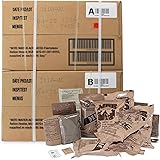
Wornick Sopacko, Ameriqual MRE Meals Ready to Eat Inspection dates 2025 or 2026 or Better , Emergency Food Supply, Survival Camping Outdoor (INSPECTION DATE IS NOT EXPIRATION DATE) 12 Pack(A & B Case Bundle, 2, Count)
$84.00 (as of March 30, 2026 02:34 GMT -04:00 - More infoProduct prices and availability are accurate as of the date/time indicated and are subject to change. Any price and availability information displayed on [relevant Amazon Site(s), as applicable] at the time of purchase will apply to the purchase of this product.)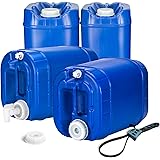
Legacy Food Storage Emergency Water Storage Containers, Long Term 5 Gallon Water Tank - 4 Stackable Food Grade Tanks Included, for Camping, Prepping, Survival - 20 Gallon Total Capacity
$117.00 (as of March 30, 2026 02:34 GMT -04:00 - More infoProduct prices and availability are accurate as of the date/time indicated and are subject to change. Any price and availability information displayed on [relevant Amazon Site(s), as applicable] at the time of purchase will apply to the purchase of this product.)
3 Pack 40 Gallon Water Storage Bladder, Heavy Duty Food-Grade Plastic Bag, BPA-Free, Foldable and Resuable. Ideal for Emergency Water Bank, Camping, Gardening & Agricultural Irrigation
$29.99 (as of March 30, 2026 02:34 GMT -04:00 - More infoProduct prices and availability are accurate as of the date/time indicated and are subject to change. Any price and availability information displayed on [relevant Amazon Site(s), as applicable] at the time of purchase will apply to the purchase of this product.)