
Preparing for power outages in extreme winter conditions requires proactive measures to ensure safety and comfort. Essential steps include stockpiling non-perishable food, water, and essential supplies such as batteries and blankets.
Understanding the specific risks associated with winter storms can significantly impact your preparedness strategy. Common mistakes include underestimating the duration of outages and not having a communication plan. It’s crucial to assess your household’s needs, including any medical requirements, and to involve all family members in preparedness discussions. Additionally, consider your location—areas prone to heavy snowfall or ice may require more extensive preparations.
Assessing Your Risk and Needs
To effectively prepare for power outages, begin by assessing your household’s specific risks and needs. This includes evaluating your home’s vulnerability to winter storms, such as its insulation quality and the reliability of local utilities. Identify family members who may have specific needs, such as infants, elderly individuals, or those with medical conditions requiring electricity.
Understanding these factors allows you to prioritize your preparations. For instance, if you rely on electric medical equipment, a generator becomes a necessity rather than a luxury. Take time to inspect your home for drafts or leaks that could exacerbate cold conditions during an outage.

Building an Emergency Supply Kit
An effective emergency supply kit is vital for any household in winter-prone areas. Essential items should include non-perishable food, bottled water, a flashlight, batteries, a first-aid kit, and blankets. Also, consider adding items like a battery-powered radio for weather updates and a multi-tool for various needs.
When assembling your kit, think about the specific duration of outages you might face. It’s wise to stock at least three days’ worth of supplies for each family member. Regularly check the expiration dates of food and replace batteries to ensure everything is functional when needed. Don’t forget to include pet supplies if you have animals.
Creating a Communication Plan
Establishing a communication plan is crucial for staying informed during power outages. Designate a family member or friend as the primary point of contact and ensure everyone knows how to reach them, especially if cell service is disrupted. Utilize text messaging to communicate when voice calls might be difficult.
Additionally, ensure that everyone in your household understands the plan and knows where to find emergency supplies. Regularly review and practice the plan, so it becomes second nature during an actual emergency. This preparation can alleviate stress and confusion when power outages occur.

Staying Warm and Safe During Outages
Maintaining warmth during a power outage is critical, especially in extreme winter conditions. If you have alternative heating sources, such as a fireplace or wood stove, ensure they are ready for use. Always follow safety guidelines to prevent carbon monoxide poisoning, particularly when using generators or fuel-burning devices indoors.
Get Preparedness and Self-Reliance Tips. Subscribe Now!
Layering clothing and using blankets can also help retain body heat. Encourage family members to stay in one room to minimize heat loss and use thermal curtains to reduce drafts. Keep in mind that if temperatures drop too low, it may be necessary to evacuate to a warming center, so stay informed about local resources and services.
Further Reading
Authoritative Sources
- Winter Weather Preparedness
ready.govThis resource provides comprehensive guidelines on preparing for winter weather emergencies, including power outages
- American Red Cross: Winter Storms
redcross.orgOffers valuable tips on winter storm preparedness, focusing on safety and emergency supplies
Frequently Asked Questions
What should I include in an emergency supply kit for winter?
Your kit should contain non-perishable food, bottled water, a flashlight, batteries, a first-aid kit, blankets, and a battery-powered radio.
How can I stay warm during a power outage in winter?
Use alternative heating sources safely, layer clothing, and stay in one room with blankets to conserve body heat.
How long should I prepare for a power outage?
It’s advisable to prepare for at least three days, ensuring you have enough supplies for each family member.
What are the risks of using a generator indoors?
Using a generator indoors can lead to carbon monoxide poisoning, which is fatal. Always operate generators outdoors, away from windows and doors.
How can I stay informed during a winter power outage?
Establish a communication plan with family members and use battery-powered radios or text messaging to stay updated on weather and safety information.
Get Preparedness and Self-Reliance Tips. Subscribe Now!
Related Content

Cheese Sauce Mix Can Emergency Food Supply, 87 Servings, 10 Year Shelf Life - Shelf Stable Cheddar Cheese Powder Canned Food
$23.35 (as of March 29, 2026 01:40 GMT -04:00 - More infoProduct prices and availability are accurate as of the date/time indicated and are subject to change. Any price and availability information displayed on [relevant Amazon Site(s), as applicable] at the time of purchase will apply to the purchase of this product.)
Grizzly Gear Emergency Food Rations- 3600 Calorie Blueberry Bar - 3 Day, 72 Hour Supply For Disaster, Hurricane, Flood Preparedness - Less Sugar, More Nutrients Than Leading Brands - 5 Year Shelf Life
$19.99 (as of March 29, 2026 01:40 GMT -04:00 - More infoProduct prices and availability are accurate as of the date/time indicated and are subject to change. Any price and availability information displayed on [relevant Amazon Site(s), as applicable] at the time of purchase will apply to the purchase of this product.)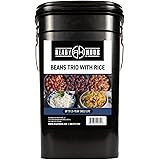
Ready Hour Beans Trio with Rice Kit Bucket (100 Servings) Survival Beans and Rice, Survival Food Storage, Emergency Preparedness Food, Prepper, Easy Prep, 30-Year Shelf Life
$64.95 (as of March 29, 2026 01:40 GMT -04:00 - More infoProduct prices and availability are accurate as of the date/time indicated and are subject to change. Any price and availability information displayed on [relevant Amazon Site(s), as applicable] at the time of purchase will apply to the purchase of this product.)
Dehydrated Spinach Flakes Emergency Food Supply, 45 Servings, 25 Year Shelf Life, 15 Calories per Serving - Dehydrated Meals, Survival Food Camping Essentials Can
$18.29 (as of March 29, 2026 01:40 GMT -04:00 - More infoProduct prices and availability are accurate as of the date/time indicated and are subject to change. Any price and availability information displayed on [relevant Amazon Site(s), as applicable] at the time of purchase will apply to the purchase of this product.)