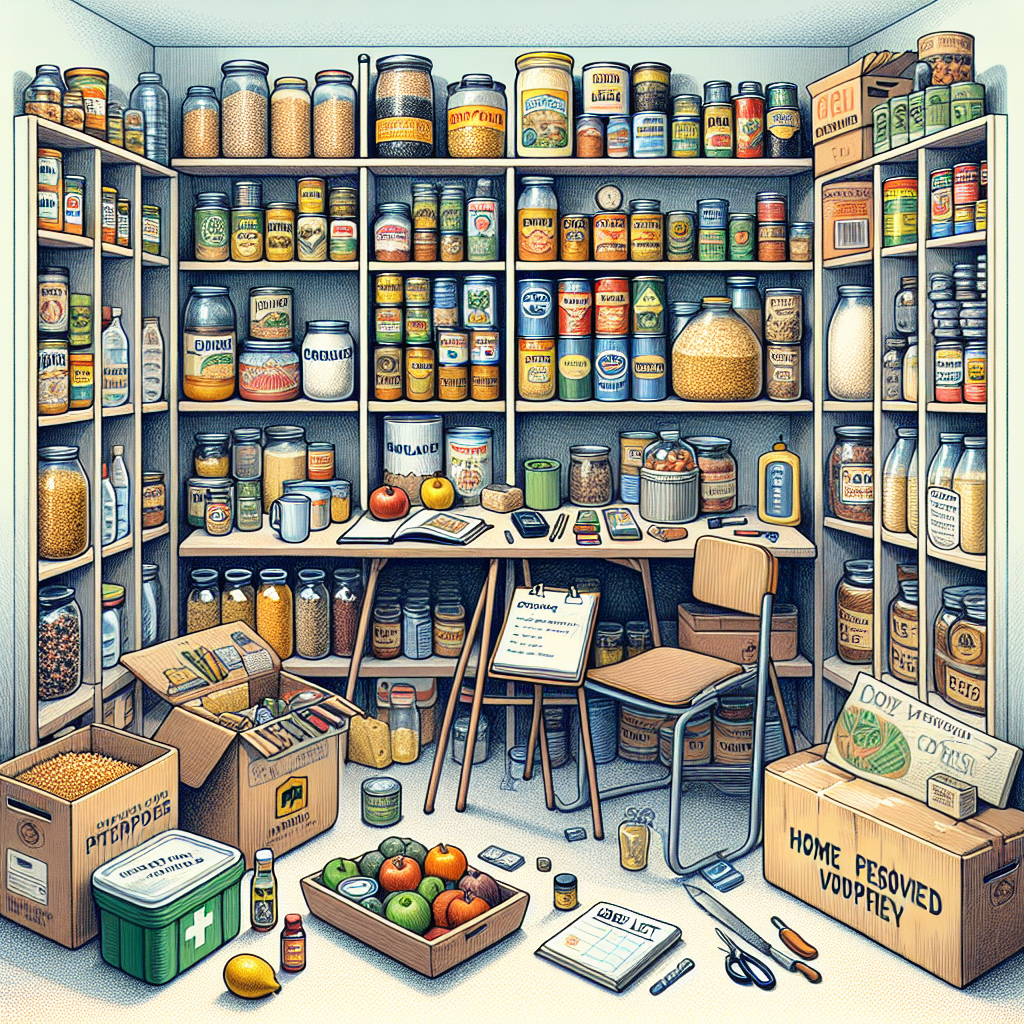
Emergency food supplies can realistically last anywhere from 6 months to several years, depending on factors like the type of food, storage conditions, and packaging. Freeze-dried meals, for example, can last 25 years or more, while canned goods may last 1-5 years.
Understanding these variables is crucial for effective preparedness. Many people underestimate the importance of storage conditions; exposure to heat, moisture, and light can drastically reduce food longevity. It’s also essential to check expiration dates and rotate supplies to ensure that older items are used first. Regularly assessing your food stock can prevent waste and ensure you’re always ready.
Factors Affecting Shelf Life
Several factors influence how long emergency food supplies can last. These include the type of food, packaging, and environmental conditions. Foods with high moisture content, like fresh produce, spoil quickly, while dehydrated or freeze-dried foods can last much longer. Packaging plays a significant role; vacuum-sealed or mylar bags can protect food from oxygen and moisture, extending shelf life.
Environmental conditions are equally critical. Storing food in a cool, dry place away from direct sunlight can significantly improve longevity. Fluctuations in temperature and humidity can lead to spoilage, so maintaining consistent conditions is vital. For instance, keeping supplies in a basement or pantry can be more effective than storing them in a garage or attic.

Types of Emergency Food Supplies
Emergency food supplies come in various types, each with distinct shelf lives. Freeze-dried meals are popular for their long shelf life, often exceeding 25 years. Canned goods, another staple, typically last between 1 to 5 years depending on the contents and storage conditions. MREs (Meals Ready-to-Eat) are designed for military use and usually last about 12-24 months.
Understanding the specific properties of each food type helps in planning. For instance, while canned vegetables may last a few years, they might not provide sufficient nutrition over a long-term emergency. Diversifying your food supply with grains, legumes, and dried fruits can ensure a balanced diet, even in challenging circumstances.
Best Storage Practices
To maximize the longevity of emergency food supplies, proper storage practices are essential. Store food in airtight containers to minimize exposure to air and moisture. Keep supplies in a dark, cool place, ideally between 50°F and 70°F. Regularly check for signs of spoilage, such as bulging cans or off smells.
Additionally, implementing a first-in, first-out (FIFO) system can help manage food rotation effectively. Label items with purchase dates and expiration dates to track freshness. Investing in a climate-controlled storage solution can further enhance the longevity of your supplies.

Common Mistakes to Avoid
Many people make critical mistakes when it comes to emergency food supplies. One common error is neglecting to check expiration dates, leading to the consumption of spoiled food during emergencies. Another mistake is over-relying on one type of food, which can lead to nutritional deficiencies.
Additionally, storing food in inappropriate locations, such as basements prone to flooding or garages that experience temperature extremes, can significantly shorten shelf life. Regularly updating your food supply and being aware of proper storage techniques can help avoid these pitfalls.
Get Preparedness and Self-Reliance Tips. Subscribe Now!
Further Reading
Authoritative Sources
- Emergency Food Supply Guidelines
ready.govThis resource provides comprehensive guidelines for preparing and storing emergency food supplies effectively
- USDA Food Safety and Inspection Service
fsis.usda.govThe USDA offers insights into food safety, including storage practices and shelf-life information
- FDA Food Labeling
fda.govExplore food labeling regulations to understand expiration dates and storage guidelines
Frequently Asked Questions
How can I tell if my emergency food supplies are still good?
Check for signs of spoilage, such as bulging cans, off smells, or discoloration. Always refer to expiration dates on packaging.
What is the best way to store emergency food supplies?
Store food in a cool, dry place in airtight containers, away from direct sunlight and moisture.
Can I freeze emergency food supplies?
Freezing can extend the life of certain foods, but not all items freeze well. Always check specific guidelines for each food type.
How often should I check my emergency food supplies?
Regularly check your supplies at least every 6 months to ensure freshness and rotate older items to the front.
Is it necessary to buy specialized emergency food?
While specialized emergency food can be convenient and long-lasting, a diverse supply of regular foods can also be effective.
Conclusion
Understanding how long emergency food supplies can realistically last is crucial for effective preparedness. By considering factors such as food types, storage conditions, and proper management, you can ensure your supplies remain viable. Regularly assessing your stock and avoiding common mistakes will help you maintain a reliable emergency food supply. Stay informed and proactive to keep your family safe in any situation.
Get Preparedness and Self-Reliance Tips. Subscribe Now!
Related Content
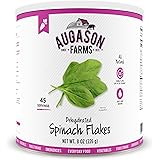
Dehydrated Spinach Flakes Emergency Food Supply, 45 Servings, 25 Year Shelf Life, 15 Calories per Serving - Dehydrated Meals, Survival Food Camping Essentials Can
$18.29 (as of March 29, 2026 01:40 GMT -04:00 - More infoProduct prices and availability are accurate as of the date/time indicated and are subject to change. Any price and availability information displayed on [relevant Amazon Site(s), as applicable] at the time of purchase will apply to the purchase of this product.)
4Patriots 72-Hour Survival Food Kit: Emergency Food Supply Designed to Last 25 Years, 20 Servings
$29.00 (as of March 29, 2026 01:40 GMT -04:00 - More infoProduct prices and availability are accurate as of the date/time indicated and are subject to change. Any price and availability information displayed on [relevant Amazon Site(s), as applicable] at the time of purchase will apply to the purchase of this product.)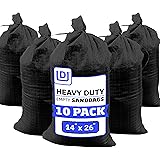
DURASACK Heavy Duty Sand Bags with Tie Strings Empty Woven Polypropylene Sand-Bags for Flood Control with 1600 Hours of UV Protection, 50 lbs Capacity, 14x26 inches, Black, Pack of 10
$9.85 (as of March 29, 2026 01:40 GMT -04:00 - More infoProduct prices and availability are accurate as of the date/time indicated and are subject to change. Any price and availability information displayed on [relevant Amazon Site(s), as applicable] at the time of purchase will apply to the purchase of this product.)
Emergency Food Ration Bars, Chocolate Flavor Survival Tabs Supply for Outdoor Camping Emergency Snowstorm Earthquake Disaster Preparedness Kit With Long Self Life 12 Count
$26.04 (as of March 29, 2026 01:40 GMT -04:00 - More infoProduct prices and availability are accurate as of the date/time indicated and are subject to change. Any price and availability information displayed on [relevant Amazon Site(s), as applicable] at the time of purchase will apply to the purchase of this product.)