
Storing water safely for long-term emergencies is vital for ensuring access to clean drinking water during crises. The best practices involve using appropriate containers, maintaining optimal storage conditions, and ensuring regular maintenance of supplies.
Proper water storage also requires attention to environmental factors. Water should be stored in cool, dark areas to prevent algae growth and degradation of the container. Regularly checking your water supply for leaks or contamination is essential. It’s also advisable to rotate your water supply every six months to ensure freshness. Additionally, using water purification tablets can enhance safety and prolong usability.
Choosing the Right Storage Containers
For effective water storage, selecting the right containers is crucial. Food-grade plastic containers, glass bottles, or stainless steel tanks are recommended due to their durability and non-reactive properties. Avoid containers previously used for chemicals or non-food substances, as they may leach harmful substances into the water.
When choosing containers, consider the size and accessibility. Smaller containers are easier to handle but may require more frequent rotation, while larger ones may be cumbersome. Ensure that the containers are clean and sanitized before filling. Using a solution of unscented bleach can effectively sanitize containers before use.

Optimal Storage Conditions
Storing water in optimal conditions significantly affects its quality. Keep containers in a cool, dark place to prevent the growth of algae and bacteria. Exposure to sunlight can also degrade the container material over time, leading to potential contamination.
Temperature control is essential; ideally, water should be stored at temperatures below 70°F (21°C). If possible, keep the storage area away from chemicals, gasoline, or other pollutants that could compromise the water supply. Regularly inspect the storage environment for any changes that could affect the water quality.
Maintenance and Rotation of Supplies
Regular maintenance and rotation of stored water are key to ensuring its safety and quality. It’s advisable to rotate your water supply every six months. This practice helps prevent stagnation and ensures that you always have fresh water available.
Inspect containers for signs of leaks or damage periodically. If any container shows signs of deterioration, replace it immediately. Additionally, consider labeling containers with the fill date to keep track of when each was last checked or replaced.

Emergency Water Purification Techniques
In emergency situations, having a plan for purifying water can be as important as storage. Boiling water for at least one minute is one of the most effective methods for killing bacteria and viruses. Alternatively, using water purification tablets can provide an easy solution when boiling is not possible.
Get Preparedness and Self-Reliance Tips. Subscribe Now!
For those with access to additional resources, filtration systems can also be effective. Ensure that any purification method used is appropriate for the specific contaminants present in the water. Always follow manufacturer instructions for any purification products to ensure effectiveness.
Further Reading
Authoritative Sources
- Water Storage for Emergencies
cdc.govThis CDC resource provides essential information on safely storing water for emergencies and guidelines on maintaining water quality
- Emergency Preparedness Kit
redcross.orgThe Red Cross outlines crucial components for emergency preparedness, including water storage tips and best practices
Frequently Asked Questions
How long can I store water safely?
Water can be stored safely for up to six months, after which it should be rotated for freshness.
What type of containers are best for water storage?
Food-grade plastic containers, glass bottles, and stainless steel tanks are ideal as they do not leach harmful chemicals.
Should I add anything to stored water?
Adding water purification tablets can enhance safety, especially if the water is stored for an extended period.
How can I tell if stored water is contaminated?
Look for any unusual odors, discoloration, or floating particles in the water, which may indicate contamination.
What is the best way to purify water in an emergency?
Boiling water for at least one minute is the most effective method to purify water in emergencies.
Get Preparedness and Self-Reliance Tips. Subscribe Now!
Related Content

ReadyWise Emergency Food Supply - 72 Hour Survival Kit, 30 Servings of Protein Meals, Freeze Dried Food for Backpacking, Camping Essentials & Disaster Prepping Supplies, up to 25 Year Shelf Life
$27.99 (as of March 29, 2026 01:40 GMT -04:00 - More infoProduct prices and availability are accurate as of the date/time indicated and are subject to change. Any price and availability information displayed on [relevant Amazon Site(s), as applicable] at the time of purchase will apply to the purchase of this product.)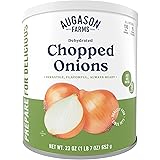
Dehydrated Chopped Onions Emergency Food Supply, 130 Servings, 25 Year Shelf Life, Great for Cooking and Baking - Dehydrated Meals, Survival Food Camping Essentials Can
$11.47 (as of March 29, 2026 01:40 GMT -04:00 - More infoProduct prices and availability are accurate as of the date/time indicated and are subject to change. Any price and availability information displayed on [relevant Amazon Site(s), as applicable] at the time of purchase will apply to the purchase of this product.)
Sterno 100-Hour Emergency Candles - Long Burning Unscented Candles for Emergencies and Power Outages - Burns Up to 100 Hours - Set of 6 - Clean Burning Liquid Paraffin
$36.99 (as of March 29, 2026 01:40 GMT -04:00 - More infoProduct prices and availability are accurate as of the date/time indicated and are subject to change. Any price and availability information displayed on [relevant Amazon Site(s), as applicable] at the time of purchase will apply to the purchase of this product.)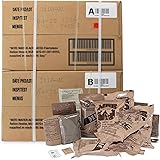
Wornick Sopacko, Ameriqual MRE Meals Ready to Eat Inspection dates 2025 or 2026 or Better , Emergency Food Supply, Survival Camping Outdoor (INSPECTION DATE IS NOT EXPIRATION DATE) 12 Pack(A & B Case Bundle, 2, Count)
$84.00 (as of March 29, 2026 01:40 GMT -04:00 - More infoProduct prices and availability are accurate as of the date/time indicated and are subject to change. Any price and availability information displayed on [relevant Amazon Site(s), as applicable] at the time of purchase will apply to the purchase of this product.)