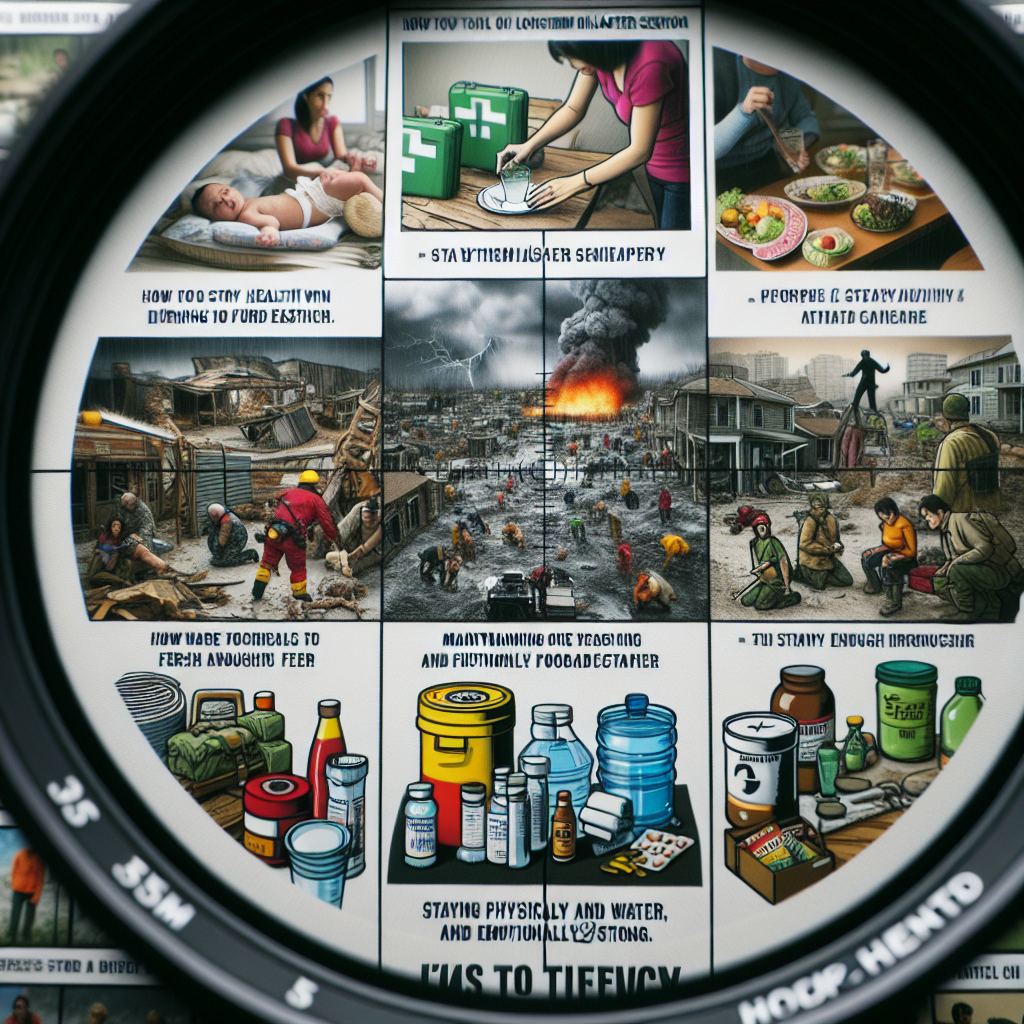
Staying warm during extended power outages requires proactive strategies such as using blankets, layering clothing, and utilizing safe heating sources. Preparing your home with insulation, blocking drafts, and ensuring proper ventilation for any heating methods are crucial steps to maintain warmth and safety.
During power outages, especially in cold weather, the risk of hypothermia and frostbite increases significantly. It’s essential to understand how to effectively retain heat in your living space. Common mistakes include relying solely on unventilated heating devices or neglecting to insulate windows and doors, which can lead to significant heat loss. Prioritizing these aspects can make a substantial difference in maintaining a comfortable temperature.
Insulating Your Home
Effective insulation is key to staying warm during power outages. This can be achieved by covering windows with thermal curtains or blankets, which help trap heat inside. Additionally, using towels or blankets to seal gaps around doors can prevent cold drafts from entering your living space.
Many people underestimate the importance of insulation, believing that they can simply rely on external heating sources. Without proper insulation, the heat generated will escape quickly, rendering heating efforts futile. Utilizing materials you already have at home can significantly enhance your insulation strategy without incurring extra costs.
Safe Heating Options
When power is out, traditional heating systems may not function, pushing you to consider alternative heating methods. Options include using propane heaters or wood stoves, but these must be used with caution. Always ensure proper ventilation to avoid carbon monoxide buildup.
Many individuals overlook the risks associated with indoor heating methods. Using unventilated gas heaters can lead to dangerous situations. Prioritizing safety involves keeping a battery-operated carbon monoxide detector nearby and ensuring that your heating source is approved for indoor use.
Layering for Warmth
Wearing multiple layers of clothing can trap body heat effectively. Start with moisture-wicking base layers, followed by insulating materials like fleece or wool. The outer layer should be windproof to shield against drafts.
People often make the mistake of wearing a single heavy layer, which can be counterproductive. Layering not only allows for better heat retention but also provides flexibility to adjust to varying temperatures as needed. Accessorizing with hats, gloves, and thermal socks further enhances warmth.

Get Preparedness and Self-Reliance Tips. Subscribe Now!
Food and Hydration Considerations
Maintaining proper nutrition and hydration plays a significant role in how your body regulates temperature. Consuming warm meals and staying hydrated can help keep your energy levels up during cold conditions.
It’s easy to overlook the impact of food on body heat. Relying solely on cold snacks may lead to decreased energy, making it harder for your body to maintain warmth. Focus on preparing easy-to-cook meals that can provide necessary calories and warmth, such as soups or stews, which can be heated on a camping stove or over a fire.
Further Reading
Authoritative Sources
- Ready.gov
ready.govOfficial U.S. preparedness guidance, checklists, and planning resources for households and emergencies.
- FEMA
fema.govFederal emergency management resources, disaster planning information, and recovery guidance.
- American Red Cross Emergency Preparedness
redcross.orgPractical emergency preparation steps, supply lists, and safety guidance for families.
- National Weather Service
weather.govOfficial forecasts, hazard alerts, and weather safety information.
- CDC Emergency Preparedness and Response
cdc.govPublic health guidance for emergencies, disasters, and recovery situations.
Frequently Asked Questions
What are the best ways to insulate my home during a power outage?
Use thermal curtains, blankets, and towels to cover windows and seal door gaps to minimize heat loss.
Can I use my gas stove as a heater?
While you can use a gas stove to generate heat, it’s crucial to ensure proper ventilation to prevent carbon monoxide buildup.
How can I stay warm without electricity?
Layer clothing, use safe heating options like propane heaters, and insulate your home to retain heat.
What foods are best to eat for warmth?
Warm, calorie-dense foods like soups and stews are ideal, as they provide both heat and energy.
How do I ensure safety when using alternative heating sources?
Always use approved heating devices for indoor use and keep a battery-operated carbon monoxide detector nearby.
Conclusion
Staying warm during extended power outages is essential for safety and comfort. Prioritize insulating your home and utilizing safe heating methods while being mindful of the risks involved. Layering clothing and maintaining proper nutrition can further enhance your body’s ability to retain heat. By employing these practical strategies, you can effectively navigate the challenges posed by cold weather during outages.
Get Preparedness and Self-Reliance Tips. Subscribe Now!
Related Content

Hitituto Rain Ponchos for Adults - Extra Long Emergency Poncho with Hood, 6/12/24 Family Pack Raincoat, Home Survival Kits
$9.49 (as of March 27, 2026 23:51 GMT -04:00 - More infoProduct prices and availability are accurate as of the date/time indicated and are subject to change. Any price and availability information displayed on [relevant Amazon Site(s), as applicable] at the time of purchase will apply to the purchase of this product.)
Ready Hour Beans Trio with Rice Kit Bucket (100 Servings) Survival Beans and Rice, Survival Food Storage, Emergency Preparedness Food, Prepper, Easy Prep, 30-Year Shelf Life
$64.95 (as of March 27, 2026 23:51 GMT -04:00 - More infoProduct prices and availability are accurate as of the date/time indicated and are subject to change. Any price and availability information displayed on [relevant Amazon Site(s), as applicable] at the time of purchase will apply to the purchase of this product.)
DURASACK Heavy Duty Sand Bags with Tie Strings Empty Woven Polypropylene Sand-Bags for Flood Control with 1600 Hours of UV Protection, 50 lbs Capacity, 14x26 inches, Black, Pack of 10
$9.85 (as of March 27, 2026 23:51 GMT -04:00 - More infoProduct prices and availability are accurate as of the date/time indicated and are subject to change. Any price and availability information displayed on [relevant Amazon Site(s), as applicable] at the time of purchase will apply to the purchase of this product.)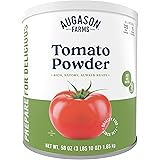
Tomato Powder Can Emergency Food Supply, 329 Servings, 25 Year Shelf Life, Made with Real Tomatoes - Dry Tomato Powder Blend, Ingredient for Cooking and Food Preparation
$33.44 (as of March 27, 2026 23:51 GMT -04:00 - More infoProduct prices and availability are accurate as of the date/time indicated and are subject to change. Any price and availability information displayed on [relevant Amazon Site(s), as applicable] at the time of purchase will apply to the purchase of this product.)