
During a sudden evacuation at night, it is crucial to act swiftly and methodically to ensure your safety and the safety of those around you. First, remain calm and focused, as panic can lead to poor decision-making.
Evacuating at night presents unique challenges, including reduced visibility and potential disorientation. Make sure to have a reliable light source, such as a flashlight or a headlamp, to navigate your surroundings safely. It is also important to know your evacuation route beforehand, as familiar pathways can help you move quickly and avoid hazards. Considerations like traffic conditions, road closures, and the presence of emergency services should shape your immediate actions.
Preparing for Night Evacuations
Preparation is key to effective evacuation, particularly at night. Create an emergency plan that includes a designated meeting point and communication methods. Familiarize yourself with your home layout, ensuring that escape routes are clear and accessible. Regularly practice your evacuation plan with family members to enhance readiness.
Consider the psychological impact of nighttime evacuations; darkness can create fear and confusion. By regularly discussing your evacuation plan, you can reduce anxiety and foster a sense of control during an emergency. Additionally, keep emergency supplies readily available in a designated area to facilitate a quick grab-and-go.

Essential Items to Bring
When evacuating at night, it’s vital to have a checklist of essential items. This includes personal identification, necessary medications, a first aid kit, and a portable charger for your phone. In addition, packing warm clothing and blankets can be beneficial if you find yourself in a cold environment.
Creating a dedicated emergency bag can streamline the evacuation process. Include non-perishable snacks, water bottles, and a whistle for signaling if needed. Ensure that your emergency bag is easy to carry and accessible, as you may have limited time to gather your belongings.
Navigating Safely in the Dark
Visibility is significantly reduced during nighttime evacuations, making it crucial to navigate safely. Use a flashlight or headlamp to illuminate your path, and avoid using your phone’s screen as a primary light source, as it can diminish your awareness of your surroundings.
Stay aware of potential hazards, such as uneven surfaces, obstacles, or low-hanging branches. If traveling with others, maintain communication to ensure everyone is accounted for and moving safely. If possible, stick to well-lit areas and follow designated evacuation routes to minimize risk.

Get Preparedness and Self-Reliance Tips. Subscribe Now!
Common Mistakes to Avoid
One common mistake during nighttime evacuations is underestimating the importance of preparation. Failing to have an emergency plan or checklist can lead to confusion and delays. Additionally, many individuals forget to charge their phones, which are essential for receiving updates and staying connected.
Another pitfall is not accounting for the psychological effects of darkness. Panic can lead to poor decision-making, so it’s essential to remain calm and focused. Ensure you have support from others, as shared decision-making can enhance safety and efficiency.
Further Reading
For more information on emergency preparedness and evacuation strategies, visit trusted sources such as the Federal Emergency Management Agency (FEMA) or the American Red Cross. These organizations provide resources and guidelines to help you effectively prepare for emergencies.
Further Reading
Authoritative Sources
- Ready.gov
ready.govOfficial U.S. preparedness guidance, checklists, and planning resources for households and emergencies.
- FEMA
fema.govFederal emergency management resources, disaster planning information, and recovery guidance.
- American Red Cross Emergency Preparedness
redcross.orgPractical emergency preparation steps, supply lists, and safety guidance for families.
- National Weather Service
weather.govOfficial forecasts, hazard alerts, and weather safety information.
- CDC Emergency Preparedness and Response
cdc.govPublic health guidance for emergencies, disasters, and recovery situations.
Frequently Asked Questions
What should I do first during a nighttime evacuation?
Stay calm and gather essential items like identification, medications, and a flashlight before following your evacuation plan.
How can I prepare my home for a sudden evacuation?
Create an emergency plan that includes escape routes, a designated meeting point, and regularly practice the plan with family members.
What items are essential for nighttime evacuations?
Key items include personal identification, medications, a first aid kit, a flashlight, warm clothing, and non-perishable food.
How can I navigate safely in the dark during an evacuation?
Use a flashlight or headlamp for visibility, stay aware of your surroundings, and stick to well-lit areas and designated evacuation routes.
What are common mistakes to avoid during a nighttime evacuation?
Common mistakes include failing to prepare an emergency plan, forgetting to charge your phone, and succumbing to panic.
Get Preparedness and Self-Reliance Tips. Subscribe Now!
Related Content
- How to Handle Emergency Situations in Cold Climates
- Essential Steps for Quick Prep for Disasters: Your Path to Unshakeable Safety
- The Ultimate Storm Preparedness Checklist 2025: 10 Effective Tips to Stay Safe
- Preparing for Long-Term Transportation Challenges
- Why Your Current Food Storage Strategy Is Putting You at Risk

4Patriots Emergency Food Bars: Non-Perishable S.O.S Ration Designed to Last 5 Years, 9 Servings
$16.95 (as of March 25, 2026 23:21 GMT -04:00 - More infoProduct prices and availability are accurate as of the date/time indicated and are subject to change. Any price and availability information displayed on [relevant Amazon Site(s), as applicable] at the time of purchase will apply to the purchase of this product.)
Grizzly Gear Emergency Food Rations- 3600 Calorie Bar (Vanilla Poundcake) - 3 Day, 72 Hour Ready To Eat Supply For Disaster, Hurricane, Flood Preparedness - Non Thirst Provoking - 5 Year Shelf Life
$19.99 (as of March 25, 2026 23:21 GMT -04:00 - More infoProduct prices and availability are accurate as of the date/time indicated and are subject to change. Any price and availability information displayed on [relevant Amazon Site(s), as applicable] at the time of purchase will apply to the purchase of this product.)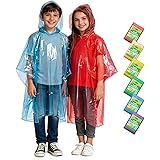
Hitituto Rain Ponchos Family Pack Kids– 6/12/24 Pack Disposable Poncho with Hood, Clear & Assorted Colors, Home Survival Kits
$9.99 (as of March 25, 2026 23:21 GMT -04:00 - More infoProduct prices and availability are accurate as of the date/time indicated and are subject to change. Any price and availability information displayed on [relevant Amazon Site(s), as applicable] at the time of purchase will apply to the purchase of this product.)
Hitituto Rain Ponchos for Adults - Extra Long Emergency Poncho with Hood, 6/12/24 Family Pack Raincoat, Home Survival Kits
$9.49 (as of March 25, 2026 23:21 GMT -04:00 - More infoProduct prices and availability are accurate as of the date/time indicated and are subject to change. Any price and availability information displayed on [relevant Amazon Site(s), as applicable] at the time of purchase will apply to the purchase of this product.)