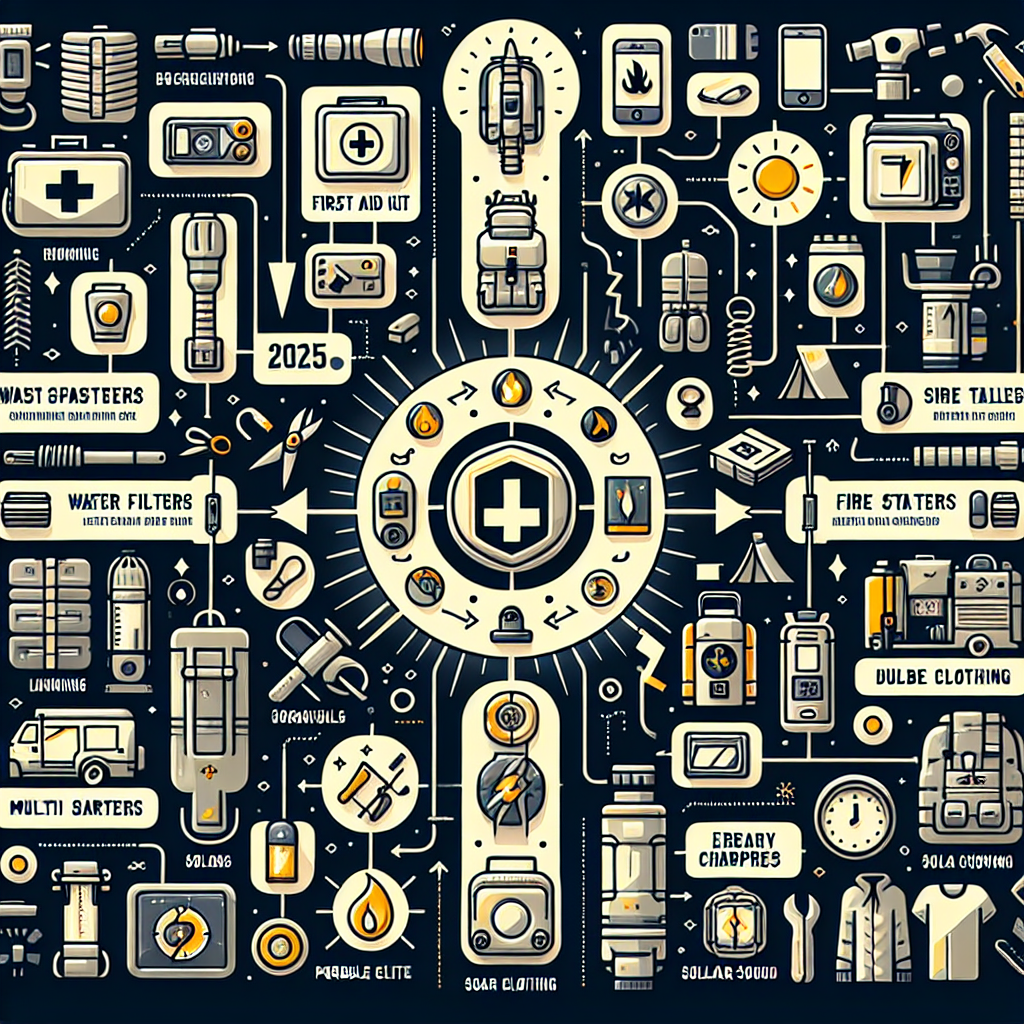
A 72-hour emergency supply kit is crucial for anyone looking to be prepared for unexpected situations, such as natural disasters or power outages. This kit should contain essential items that will support survival for at least three days without access to regular resources.
Understanding what should be in your kit is vital to avoid common mistakes such as overpacking or neglecting critical items. Many people assume they can easily access supplies during an emergency, but stores may be closed or shelves empty. Therefore, prioritizing items that provide hydration, nutrition, and safety is essential. Additionally, consider any specific needs for children, pets, or medical conditions.
Water and Food Supplies
Water is the most critical component of any emergency supply kit. It is generally recommended to have at least one gallon per person per day for at least three days. Non-perishable food items such as canned goods, energy bars, and dried fruits are also essential. Choose foods that do not require cooking or refrigeration, and check expiration dates regularly.

When packing food, consider dietary restrictions and preferences. High-calorie, nutrient-rich foods are ideal, and items like peanut butter or protein bars can provide energy without needing preparation. Always include a manual can opener if you choose canned goods. Having a variety of food options can help maintain morale during stressful situations.
Medical Supplies and First Aid
A well-stocked first aid kit is a must-have in your emergency supply kit. This should include bandages, antiseptic wipes, pain relievers, and any prescription medications you or family members may need. Ensure that your kit is tailored to specific health conditions, such as asthma inhalers or allergy medications.
Additionally, consider including tools for more serious injuries, such as splints or emergency blankets. Regularly review and restock your first aid kit to ensure all items are within their expiration dates and in usable condition. Being prepared with medical supplies can be crucial during emergencies when medical assistance may not be immediately available.
Tools and Safety Equipment
In emergencies, having the right tools can make a significant difference. Include a flashlight with extra batteries, a multi-tool, and a whistle to signal for help. Fire safety items, such as a small fire extinguisher and matches or a lighter in a waterproof container, can also be beneficial.

Consider including a portable phone charger or backup power supply for communication needs. If you live in an area prone to severe weather, a weather radio can help you stay informed about conditions. These tools not only enhance safety but also provide peace of mind during uncertain times.
Personal Items and Documentation
Personal hygiene items, such as toothbrushes, toothpaste, and wet wipes, contribute to comfort during emergencies. Don’t forget to include any necessary items for infants or elderly family members, such as diapers or adult incontinence products.
Documentation is also critical. Keep copies of important documents like identification, insurance policies, and medical records in a waterproof bag. This ensures that you have access to vital information when it’s needed most. Organizing these items can save time and stress during an emergency.
Get Preparedness and Self-Reliance Tips. Subscribe Now!
Further Reading
Authoritative Sources
- Ready.gov Emergency Kit
ready.govThis resource provides comprehensive guidelines on building a personalized emergency kit
- Red Cross Survival Kit Supplies
redcross.orgThe Red Cross offers detailed information on essential items for a survival kit
- FEMA 72 Hour Kit
fema.govFEMA outlines the necessary supplies and considerations for a 72-hour emergency kit
Frequently Asked Questions
What is the most important item in a 72-hour emergency supply kit?
Water is the most critical item, as it is essential for survival and hydration.
How often should I check my emergency supply kit?
It’s best to check your kit every six months to ensure all items are current and in good condition.
Can I include food that requires cooking in my kit?
It’s advisable to include only non-perishable foods that do not require cooking or refrigeration for ease of use.
Should I include items for pets in my emergency kit?
Yes, including pet food, water, and any necessary medications is important for pet owners.
What should I do with my emergency kit after an emergency?
After an emergency, restock your kit immediately and replace any used or expired items to ensure readiness for the future.
Conclusion
Preparing a 72-hour emergency supply kit is essential for ensuring your safety and well-being during unexpected situations. Focus on including critical items such as water, food, first aid supplies, and personal documents. Regularly reviewing and updating your kit will ensure it remains effective when you need it most. Take proactive steps now to create a kit tailored to your specific needs and those of your family.
Get Preparedness and Self-Reliance Tips. Subscribe Now!
Related Content
- The Ultimate Guide to Packing an Emergency Kit for Natural Disasters
- Budget-Friendly Bug Out Bag Essentials
- Who should I follow for expert advice on self-reliant living?
- Your Comprehensive Checklist for Emergency Planning: Safeguard Your Future
- Unlocking the Secrets of Safe Energy: Your Ultimate Emergency Fuel Storage Guide
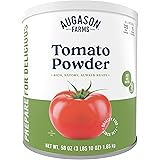
Tomato Powder Can Emergency Food Supply, 329 Servings, 25 Year Shelf Life, Made with Real Tomatoes - Dry Tomato Powder Blend, Ingredient for Cooking and Food Preparation
$33.44 (as of March 24, 2026 23:04 GMT -04:00 - More infoProduct prices and availability are accurate as of the date/time indicated and are subject to change. Any price and availability information displayed on [relevant Amazon Site(s), as applicable] at the time of purchase will apply to the purchase of this product.)
Hitituto Rain Ponchos for Adults - Extra Long Emergency Poncho with Hood, 6/12/24 Family Pack Raincoat, Home Survival Kits
$9.99 (as of March 24, 2026 23:04 GMT -04:00 - More infoProduct prices and availability are accurate as of the date/time indicated and are subject to change. Any price and availability information displayed on [relevant Amazon Site(s), as applicable] at the time of purchase will apply to the purchase of this product.)
4Patriots Emergency Food Bars: Non-Perishable S.O.S Ration Designed to Last 5 Years, 9 Servings
$16.95 (as of March 24, 2026 23:04 GMT -04:00 - More infoProduct prices and availability are accurate as of the date/time indicated and are subject to change. Any price and availability information displayed on [relevant Amazon Site(s), as applicable] at the time of purchase will apply to the purchase of this product.)
Emergency Food Supply - Chocolate Survival Ration - 20 Years Shelf Life - 1 Day
$9.95 (as of March 24, 2026 23:04 GMT -04:00 - More infoProduct prices and availability are accurate as of the date/time indicated and are subject to change. Any price and availability information displayed on [relevant Amazon Site(s), as applicable] at the time of purchase will apply to the purchase of this product.)