
Staying safe during a tornado at night requires proactive measures and preparedness. The darkness can make it challenging to assess storm conditions, so it's crucial to have a reliable method for receiving warnings. Seeking shelter in a sturdy building, preferably in a basement or an interior room away from windows, is essential for protection against flying debris and structural collapse.
Many people underestimate the dangers of nighttime tornadoes, leading to critical mistakes such as ignoring warnings or failing to seek adequate shelter. It’s vital to stay informed through weather radios, smartphone alerts, or local news updates. Having an emergency plan in place, including designated safe areas and an emergency kit, can significantly increase your chances of staying safe.
Understanding Tornadoes and Their Risks
Tornadoes can occur without much warning, especially at night when visibility is low. Understanding their formation and the conditions that create them can help you take timely action. Tornadoes are categorized by their wind speeds and damage potential, with higher ratings indicating more severe threats. Recognizing the signs of an impending tornado, such as a sudden drop in temperature or a loud roar, is critical for quick response.

Many people mistakenly believe that tornadoes are less likely to occur at night; however, this is not the case. In fact, nighttime tornadoes can be particularly dangerous because they can strike without warning. Prioritizing awareness and preparedness is essential, especially in areas prone to severe weather.
Preparing Your Home and Family
Preparation is key to staying safe during a tornado at night. Identify the safest areas in your home, such as basements or interior rooms, and ensure all family members know these locations. Regularly review your emergency plan, including communication methods and meeting points, to ensure everyone is on the same page.
In addition to physical preparedness, consider conducting tornado drills with your family. This practice can help everyone respond swiftly and calmly in the event of a real tornado. Ensure that children understand the importance of seeking shelter and staying quiet during a tornado warning.
Emergency Kits and Supplies
An emergency kit is vital for any tornado preparedness plan. This kit should include essentials such as water, non-perishable food, flashlights, batteries, a first aid kit, and any necessary medications. Additionally, consider including a whistle to signal for help, and cash in small denominations.

Regularly check the contents of your emergency kit to ensure everything is up to date and functional. In the chaos of a tornado, having a well-stocked and easily accessible emergency kit can make a significant difference in your safety and comfort.
Post-Tornado Safety Considerations
After a tornado has passed, it’s important to remain cautious. Check yourself and others for injuries and avoid entering damaged buildings until they have been declared safe by professionals. Be aware of potential hazards such as downed power lines and sharp debris.
Get Preparedness and Self-Reliance Tips. Subscribe Now!
Stay tuned to local news for updates and instructions from officials. If you need assistance, reach out to local emergency services or neighbors. Understanding the post-tornado landscape can help you navigate recovery more effectively.
Further Reading
Authoritative Sources
- Tornado Safety Tips
weather.govThis resource provides comprehensive safety information and guidelines for tornado preparedness and response
- Tornado Preparedness: American Red Cross
redcross.orgA detailed overview of tornado preparedness steps and emergency kit recommendations from the American Red Cross
- FEMA Tornado Information
fema.govFEMA offers resources on tornado safety, recovery, and community preparedness initiatives
Frequently Asked Questions
What should I do during a tornado warning?
Seek shelter immediately in a sturdy building, preferably in a basement or an interior room away from windows.
How can I prepare my family for a nighttime tornado?
Conduct tornado drills, create a family emergency plan, and ensure everyone knows where to seek shelter.
What items should be in my emergency kit?
Your emergency kit should include water, non-perishable food, a flashlight, batteries, a first aid kit, and any necessary medications.
How do I stay informed about tornado warnings?
Use a weather radio, smartphone alerts, or local news stations to receive real-time updates and warnings about tornadoes.
What should I do after a tornado passes?
Check for injuries, avoid damaged buildings, and stay informed through local news and emergency services for further instructions.
Get Preparedness and Self-Reliance Tips. Subscribe Now!
Related Content
- Who should be involved in creating a family disaster plan?
- Is it necessary to prepare for multiple types of disasters?
- Why Your Current Food Storage Strategy Is Putting You at Risk
- Unlock Your Peace of Mind: Essential Steps to Get Prepared Before Disaster Strikes
- How to Build a Multi-Purpose Survival Kit
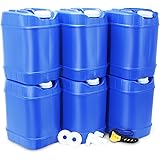
Legacy Food Storage Emergency Water Storage Containers, Long Term 5 Gallon Water Tank - 6 Stackable Food Grade Tanks Included, for Camping, Prepping, Survival - 30 Gallon Total Capacity
$169.99 (as of March 24, 2026 23:04 GMT -04:00 - More infoProduct prices and availability are accurate as of the date/time indicated and are subject to change. Any price and availability information displayed on [relevant Amazon Site(s), as applicable] at the time of purchase will apply to the purchase of this product.)
4Patriots Emergency Food Bars: Non-Perishable S.O.S Ration Designed to Last 5 Years, 9 Servings
$16.95 (as of March 24, 2026 23:04 GMT -04:00 - More infoProduct prices and availability are accurate as of the date/time indicated and are subject to change. Any price and availability information displayed on [relevant Amazon Site(s), as applicable] at the time of purchase will apply to the purchase of this product.)
Borogo 4/6/12 Pack Disposable Rain Ponchos Family Pack for Adults - Emergency Rain Ponchos for Women and Men
$6.99 (as of March 24, 2026 23:04 GMT -04:00 - More infoProduct prices and availability are accurate as of the date/time indicated and are subject to change. Any price and availability information displayed on [relevant Amazon Site(s), as applicable] at the time of purchase will apply to the purchase of this product.)
Dehydrated Chopped Onions Emergency Food Supply, 130 Servings, 25 Year Shelf Life, Great for Cooking and Baking - Dehydrated Meals, Survival Food Camping Essentials Can
$11.47 (as of March 24, 2026 23:04 GMT -04:00 - More infoProduct prices and availability are accurate as of the date/time indicated and are subject to change. Any price and availability information displayed on [relevant Amazon Site(s), as applicable] at the time of purchase will apply to the purchase of this product.)