Staying informed during a disaster involves accessing reliable information through various channels, including official alerts, social media, and news updates. Utilizing multiple sources ensures that you receive timely and accurate updates, helping you make informed decisions for your safety and the safety of others.
Many individuals make the mistake of relying on a single source of information, which can lead to misinformation or delayed responses. It’s essential to diversify your information sources to obtain a comprehensive view of the situation. Trade-offs may arise, such as the speed of information versus its accuracy; thus, prioritizing official channels, like local government or emergency services, should be your first step.
Understanding Reliable Information Sources
Reliable information sources are essential during a disaster. Government agencies and official organizations typically provide the most accurate updates. These sources include weather service alerts, emergency management organizations, and local news stations. Understanding which sources are credible and which are not can help you avoid misinformation.

It’s common for people to turn to social media during emergencies, but not all information shared online is trustworthy. Always cross-reference social media updates with official channels. The risk of following false information can lead to unnecessary panic or poor decision-making during critical times.
The Role of Social Media in Crisis Situations
Social media can act as a double-edged sword in disaster situations. It provides real-time updates and can connect individuals with firsthand accounts, but it also spreads misinformation rapidly. Understanding how to navigate social media effectively is crucial.
During a disaster, use social media to supplement information from official sources. Follow verified accounts of local authorities and emergency services. However, be cautious about sharing unverified information, as it can contribute to confusion and chaos.
Common Pitfalls in Information Gathering
One common pitfall is failing to verify information before acting on it. Many may see alarming posts online and react without checking their validity. This can lead to poor decisions that may compromise safety.

Another issue is the overwhelming amount of information available during a disaster. It can be challenging to discern what’s relevant. Focus on specific alerts from trusted sources, and avoid getting lost in the noise of social media chatter.
Get Preparedness and Self-Reliance Tips. Subscribe Now!
Best Practices for Staying Updated
To stay informed effectively, set up alerts from trusted sources like local news, weather services, and emergency management agencies. This proactive approach ensures that you receive important updates as they happen.
Additionally, consider creating a communication plan with family and friends. This can include sharing information about where to find updates and how to contact each other in case of an emergency.
Further Reading
Authoritative Sources
- Ready.gov
ready.govOfficial U.S. preparedness guidance, checklists, and planning resources for households and emergencies.
- FEMA
fema.govFederal emergency management resources, disaster planning information, and recovery guidance.
- American Red Cross Emergency Preparedness
redcross.orgPractical emergency preparation steps, supply lists, and safety guidance for families.
- National Weather Service
weather.govOfficial forecasts, hazard alerts, and weather safety information.
- CDC Emergency Preparedness and Response
cdc.govPublic health guidance for emergencies, disasters, and recovery situations.
Frequently Asked Questions
What should I do first during a disaster?
First, ensure your safety and then check official sources for updates on the situation.
How can I verify information during a disaster?
Cross-reference information with trusted sources like government alerts or reputable news organizations.
Is social media reliable during emergencies?
Social media can provide real-time updates but should be verified against official sources.
What are the best sources for disaster updates?
Government websites, local news stations, and emergency management agencies are the best sources.
How can I prepare for information overload?
Set up alerts from key sources and limit your information intake to avoid confusion.
Get Preparedness and Self-Reliance Tips. Subscribe Now!
Related Content
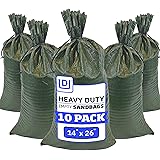
DURASACK Heavy Duty Sand Bags with Tie Strings Empty Woven Polypropylene Sand-Bags for Flood Control with 1600 Hours of UV Protection, 50 lbs Capacity, 14x26 inches, Green, Pack of 10
$10.99 (as of March 24, 2026 23:04 GMT -04:00 - More infoProduct prices and availability are accurate as of the date/time indicated and are subject to change. Any price and availability information displayed on [relevant Amazon Site(s), as applicable] at the time of purchase will apply to the purchase of this product.)
Country Fresh Instant Nonfat Dry Milk Powder, 39 Servings, 20 Year Shelf Life, Gluten Free - Canned Vitamin-Fortified Nonfat Milk Powder for Baking and Emergency Food Supplies
$12.99 (as of March 24, 2026 23:04 GMT -04:00 - More infoProduct prices and availability are accurate as of the date/time indicated and are subject to change. Any price and availability information displayed on [relevant Amazon Site(s), as applicable] at the time of purchase will apply to the purchase of this product.)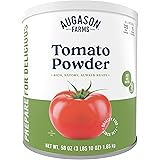
Tomato Powder Can Emergency Food Supply, 329 Servings, 25 Year Shelf Life, Made with Real Tomatoes - Dry Tomato Powder Blend, Ingredient for Cooking and Food Preparation
$33.44 (as of March 24, 2026 23:04 GMT -04:00 - More infoProduct prices and availability are accurate as of the date/time indicated and are subject to change. Any price and availability information displayed on [relevant Amazon Site(s), as applicable] at the time of purchase will apply to the purchase of this product.)
Hitituto Rain Ponchos for Adults - Extra Long Emergency Poncho with Hood, 6/12/24 Family Pack Raincoat, Home Survival Kits
$9.99 (as of March 24, 2026 23:04 GMT -04:00 - More infoProduct prices and availability are accurate as of the date/time indicated and are subject to change. Any price and availability information displayed on [relevant Amazon Site(s), as applicable] at the time of purchase will apply to the purchase of this product.)