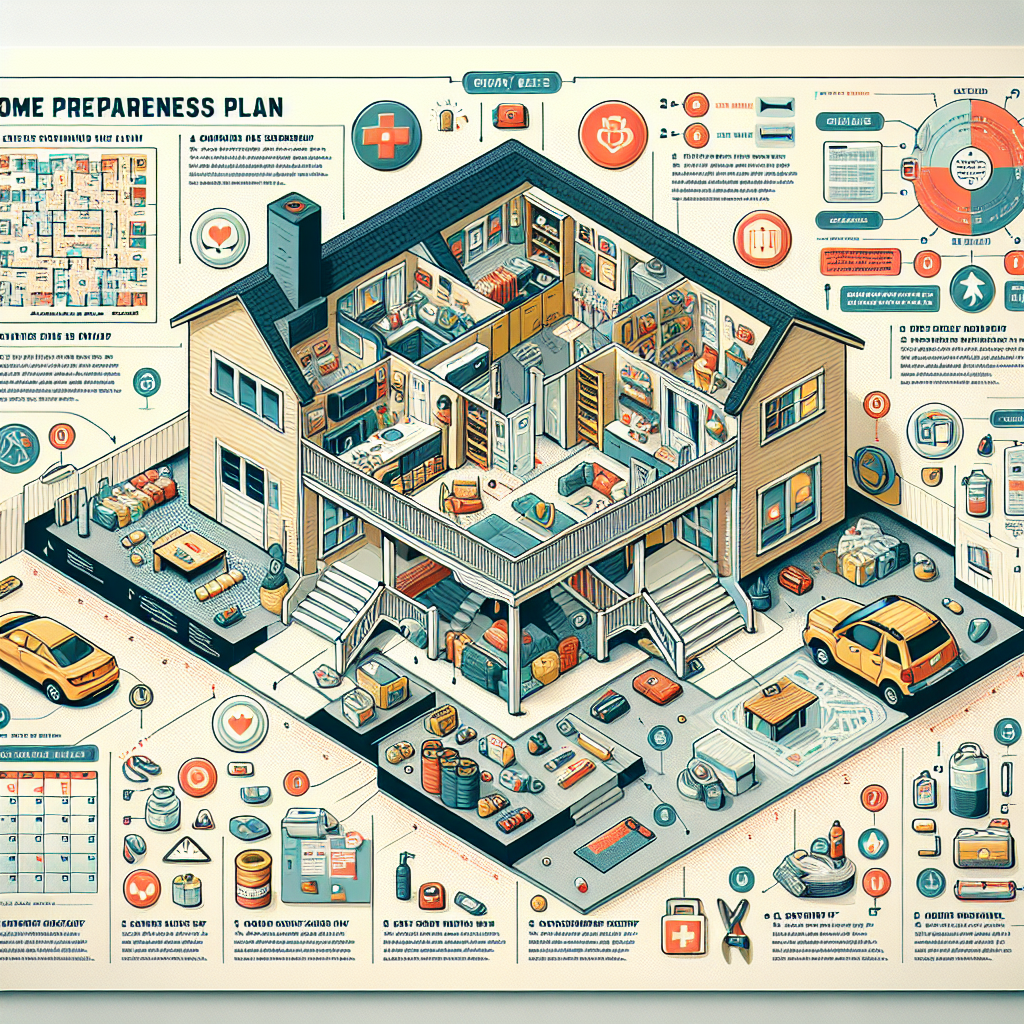
The real challenge isn't understanding navigating crisis prep for new families: essential steps for safety and security — it's what happens when small oversights, weak priorities, or real-world constraints start compounding.
Crisis prep for new families is crucial for ensuring safety and security when unexpected situations arise. New parents often find themselves overwhelmed with the joys and challenges of family life, but being prepared for crises can make a significant difference in managing stress and safeguarding loved ones. By understanding the essential steps for preparation, families can build resilience and confidence in facing any emergency.
One common mistake families make is underestimating the potential for emergencies. Whether it’s natural disasters, medical emergencies, or other unforeseen events, having a robust plan can prevent chaos when it matters most. It’s essential to recognize that preparation is not just about having supplies; it’s about creating a comprehensive approach that includes communication, education, and practice.
Understanding the Risks
This matters more than it seems because weak decisions here usually create bigger downstream problems. To effectively prepare for a crisis, families must first understand the risks they face. Each family’s situation is unique, influenced by location, lifestyle, and individual needs. Assessing local hazards—such as floods, earthquakes, or severe weather—will help prioritize the type of preparation necessary. Additionally, families should consider personal risks, including health issues or special needs, that could complicate crisis situations.

Awareness of these risks allows families to make informed decisions about their preparations. For instance, families in flood-prone areas might prioritize water evacuation plans, while those in urban settings may focus on emergency communication strategies. Failing to consider these factors can lead to inadequate preparation and increased vulnerability during crises.
Creating an Emergency Plan
This matters more than it seems because weak decisions here usually create bigger downstream problems. An effective emergency plan is the cornerstone of crisis preparedness. Families should outline specific actions to take during various emergencies, detailing roles and responsibilities for each family member. This plan should include contact information for local emergency services, meeting locations, and evacuation routes.
Moreover, practicing the plan is essential. Regular drills help ensure everyone knows their role and can act swiftly under pressure. Families often overlook this step, assuming that having a plan is sufficient. However, without practice, panic can lead to confusion and mistakes when it counts most.
Building Your Family’s Disaster Kit
This matters more than it seems because weak decisions here usually create bigger downstream problems. A well-stocked disaster kit is vital for surviving emergencies. It should include essential supplies such as food, water, medications, first aid items, and important documents. The kit should be tailored to the family’s specific needs, considering factors like dietary restrictions, infants, or pets.

It’s important to regularly review and update the kit, ensuring that items are not expired and that it remains relevant to the family’s changing needs. Many families make the mistake of creating a kit and forgetting about it, which can lead to critical shortages during an emergency.
Educating Your Family
This matters more than it seems because weak decisions here usually create bigger downstream problems. Education plays a crucial role in crisis preparedness. Families should engage in discussions about potential emergencies and how to respond. This includes teaching children about safety protocols, basic first aid, and how to contact emergency services.
Get Preparedness and Self-Reliance Tips. Subscribe Now!
Moreover, families can benefit from community resources, such as workshops or courses on emergency preparedness. This not only enhances individual knowledge but also fosters a sense of community support. Ignoring educational opportunities can leave families unprepared and more susceptible to panic during crises.
Staying Informed and Connected
This matters more than it seems because weak decisions here usually create bigger downstream problems. In times of crisis, staying informed is paramount. Families should have a reliable source of information regarding local emergencies, weather updates, and community resources. This could include apps, local news stations, or community alert systems.
Additionally, maintaining connections with neighbors and local organizations can provide vital support during emergencies. Families often overlook the power of community; having a support network can make a significant difference in managing crises effectively.
Further Reading
This matters more than it seems because weak decisions here usually create bigger downstream problems. For more comprehensive guidance, consider exploring resources from local emergency management agencies or reputable organizations specializing in crisis preparedness. These sources can offer tailored advice and tools to enhance your family’s readiness for any situation.
Further Reading
Authoritative Sources
- Ready.gov
ready.govOfficial U.S. preparedness guidance, checklists, and planning resources for households and emergencies.
- FEMA
fema.govFederal emergency management resources, disaster planning information, and recovery guidance.
- American Red Cross Emergency Preparedness
redcross.orgPractical emergency preparation steps, supply lists, and safety guidance for families.
- National Weather Service
weather.govOfficial forecasts, hazard alerts, and weather safety information.
- CDC Emergency Preparedness and Response
cdc.govPublic health guidance for emergencies, disasters, and recovery situations.
Frequently Asked Questions
What should be included in a family emergency plan?
Your plan should include emergency contacts, local evacuation routes, a designated meeting place, and roles for each family member.
How often should I update my disaster kit?
Review and update your disaster kit at least twice a year, or whenever there are significant changes in your family’s needs.
What are the key components of a disaster kit?
A disaster kit should include water, non-perishable food, first aid supplies, medications, flashlights, batteries, and important documents.
How can I educate my children about emergency preparedness?
Engage children in discussions about emergencies, conduct drills, and involve them in creating an emergency plan to foster understanding.
Why is community support important during a crisis?
Community support can provide resources, information, and assistance during emergencies, making it easier to cope with challenges.
Conclusion
This matters more than it seems because weak decisions here usually create bigger downstream problems. In conclusion, crisis prep for new families is essential for ensuring safety and security during emergencies. By understanding risks, creating a comprehensive emergency plan, building a disaster kit, educating family members, and staying informed, families can navigate unexpected situations with confidence. Prioritizing these steps will not only enhance preparedness but also foster a sense of security and resilience, empowering families to thrive even in challenging circumstances.
Get Preparedness and Self-Reliance Tips. Subscribe Now!
Related Content

Borogo 4/6/12 Pack Disposable Rain Ponchos Family Pack for Adults - Emergency Rain Ponchos for Women and Men
$6.99 (as of March 23, 2026 22:35 GMT -04:00 - More infoProduct prices and availability are accurate as of the date/time indicated and are subject to change. Any price and availability information displayed on [relevant Amazon Site(s), as applicable] at the time of purchase will apply to the purchase of this product.)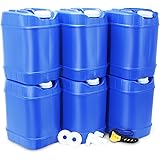
Legacy Food Storage Emergency Water Storage Containers, Long Term 5 Gallon Water Tank - 6 Stackable Food Grade Tanks Included, for Camping, Prepping, Survival - 30 Gallon Total Capacity
$169.99 (as of March 23, 2026 22:35 GMT -04:00 - More infoProduct prices and availability are accurate as of the date/time indicated and are subject to change. Any price and availability information displayed on [relevant Amazon Site(s), as applicable] at the time of purchase will apply to the purchase of this product.)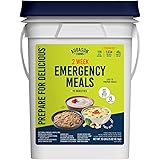
Augason Farms 2 Week 1 Person Emergency Food Supply
$74.38 (as of March 23, 2026 22:35 GMT -04:00 - More infoProduct prices and availability are accurate as of the date/time indicated and are subject to change. Any price and availability information displayed on [relevant Amazon Site(s), as applicable] at the time of purchase will apply to the purchase of this product.)
Country Fresh Instant Nonfat Dry Milk Powder, 39 Servings, 20 Year Shelf Life, Gluten Free - Canned Vitamin-Fortified Nonfat Milk Powder for Baking and Emergency Food Supplies
$12.99 (as of March 23, 2026 22:35 GMT -04:00 - More infoProduct prices and availability are accurate as of the date/time indicated and are subject to change. Any price and availability information displayed on [relevant Amazon Site(s), as applicable] at the time of purchase will apply to the purchase of this product.)