In an era where home security is paramount, having a well-structured home safety audit checklist can be a game changer. Did you know that according to the FBI, a burglary occurs every 26 seconds in the United States? This staggering statistic highlights the urgent need for homeowners to evaluate and enhance their security measures. A thorough home safety audit checklist empowers you to identify vulnerabilities within your property, ensuring that your home remains a safe haven.
The process of creating and implementing a home safety audit checklist is not only crucial for preventing crime but also beneficial for enhancing your overall peace of mind. By following a systematic approach, you can assess various aspects of your home, from entry points to emergency preparedness. This article will guide you through the essential elements of a home safety audit checklist, helping you elevate your home security effectively.

Understanding the Home Safety Audit Checklist
A home safety audit checklist serves as a comprehensive review tool for evaluating the security and safety measures of your residence. It typically includes various categories such as entry points, lighting, alarms, and environmental hazards. The goal is to create a clear picture of your home’s security status and identify areas for improvement.
### What is Included in a Home Safety Audit Checklist?
1. **Entry Points:** Doors, windows, and other access points.
2. **Lighting:** Adequate outdoor and indoor lighting.
3. **Security Systems:** Alarms, cameras, and monitoring systems.
4. **Environmental Safety:** Fire, carbon monoxide, and natural disaster preparedness.
By using a structured home safety audit checklist, homeowners can systematically address potential risks and create a safer living environment.
### Why Conduct a Home Safety Audit?
Consider this: over 30% of burglaries are executed through unlocked doors or windows. Conducting a safety audit allows you to pinpoint weaknesses and take corrective actions, significantly reducing the likelihood of a break-in. Furthermore, being proactive can also help in keeping your family safe from environmental hazards, such as fire or gas leaks.
Key Components of a Home Safety Audit Checklist
To make the most out of your home safety audit checklist, there are several key components to consider. Each element plays a vital role in ensuring that your home is not only secure but also prepared for emergencies.
### Essential Elements of a Home Safety Audit Checklist
– **Locks and Deadbolts:** Ensure all doors have sturdy locks. Deadbolts should be installed on external doors for added security.
– **Windows:** Check that all windows can be securely locked and are equipped with window sensors.
– **Lighting:** Install motion-activated lights around the perimeter and ensure all entryways are well-lit.
– **Alarm Systems:** Evaluate the effectiveness of your existing alarm system. Consider adding smart home technology for real-time alerts.
– **Fire Safety:** Verify that smoke detectors and carbon monoxide detectors are functional and installed in key areas.
== > What if ... Get a FREE Subscription to PREPARE

These components are fundamental in creating a robust home safety audit checklist. Regularly updating and maintaining these elements can significantly enhance your home’s safety profile.
How to Conduct a Home Safety Audit
Conducting a home safety audit might sound daunting, but breaking it down into manageable steps simplifies the process. Follow these steps to ensure a thorough evaluation of your home.
### Step-by-Step Guide to Completing Your Home Safety Audit Checklist
1. **Walkthrough:** Begin with a thorough inspection of both the interior and exterior of your home.
2. **Document Findings:** Use your home safety audit checklist to note any issues or areas of concern.
3. **Prioritize Issues:** Rank the issues based on urgency and potential risk.
4. **Implement Solutions:** Take immediate action on high-priority items—whether it’s upgrading locks, adding lighting, or installing security cameras.
5. **Schedule Regular Audits:** Make it a habit to conduct safety audits biannually to keep your home secure.
By following this straightforward guide, you can systematically address each concern and enhance your home’s safety.
Benefits of Using a Home Safety Audit Checklist
Utilizing a home safety audit checklist comes with numerous benefits. Here are some of the most significant advantages:
– **Increased Awareness:** Regular audits help you stay informed about your home’s security status.
– **Peace of Mind:** Knowing that you have taken steps to secure your home can alleviate anxiety regarding potential threats.
– **Cost Savings:** Preventing break-ins and accidents can save you from costly repairs and insurance claims.
– **Insurance Benefits:** Many insurance companies offer discounts for homes equipped with advanced security measures.
In essence, the proactive approach provided by a comprehensive home safety audit checklist not only fortifies your home but also enhances your quality of life.
References and Resources
These resources provide valuable information about home safety audit checklist. Check them out for additional insights:
Authoritative Sources on home safety audit checklist
-
Home and Recreational Safety
CDC.govOffers guidelines on home safety, including disaster preparedness and injury prevention.
-
Fire and Life Safety
NFPA.orgProvides comprehensive information on fire safety standards and practices for homes.
-
SafeWise
SafeWise.comOffers tips on home security and safety audits, along with product reviews.
-
USA.gov
USA.govA government resource for various safety tips and emergency preparedness information.
-
Consumer Reports
ConsumerReports.orgProvides reviews and safety ratings for home security products and systems.
-
Emergency Preparedness
RedCross.orgOffers resources for preparing for various emergencies, including home safety tips.
Get Preparedness and Self-Reliance Tips. Subscribe Now!
-
Social Security Administration
SSA.govResources on safety measures for seniors, including home safety audits.
-
Ahmadiyya Muslim Community
Ahmadiyya.usOffers tips and guidelines on home safety and community security initiatives.
Frequently Asked Questions
What is a home safety audit checklist?
A home safety audit checklist is a structured tool that helps homeowners evaluate their property for security vulnerabilities and safety hazards. It includes items such as door locks, window security, lighting conditions, and emergency preparedness measures.
How often should I perform a home safety audit?
It is recommended to conduct a home safety audit at least twice a year. However, after any significant changes to your home, such as renovations or after moving in, you should perform a new audit to ensure all safety measures are up to date.
What are the key benefits of using a home safety audit checklist?
The key benefits include increased awareness of security risks, enhanced peace of mind, potential cost savings from preventing incidents, and possible insurance discounts for improved safety features. Regular audits help maintain a secure environment for your family.
Can I create my own home safety audit checklist?
Absolutely! You can create a personalized home safety audit checklist tailored to your specific needs. Consider including aspects such as your neighborhood’s crime rate, unique entry points, and the specific needs of your family members.
What should I do if I find vulnerabilities during a home safety audit?
If you identify vulnerabilities during your audit, prioritize them based on risk. Take immediate action on critical issues, such as reinforcing locks or improving lighting. Consult with security professionals for more advanced solutions, especially for alarm and surveillance systems.
Conclusion
A comprehensive home safety audit checklist is an essential tool for every homeowner looking to enhance their security measures. By systematically evaluating your home, you can identify vulnerabilities, create a safer environment, and gain peace of mind. Remember, security is not a one-time effort; it requires ongoing assessment and improvement.
Take the first step today by using this guide to conduct your own home safety audit. Your family’s safety is worth the investment in time and effort.
Get Preparedness and Self-Reliance Tips. Subscribe Now!
Related Content

Hitituto Rain Ponchos for Adults - Extra Long Emergency Poncho with Hood, 6/12/24 Family Pack Raincoat, Home Survival Kits
$9.99 (as of March 18, 2026 19:03 GMT -04:00 - More infoProduct prices and availability are accurate as of the date/time indicated and are subject to change. Any price and availability information displayed on [relevant Amazon Site(s), as applicable] at the time of purchase will apply to the purchase of this product.)
Ready Hour 120 Serving Entree Bucket-Freeze Dried Emergency Food Supply-Survival Meals with Long Shelf Life-Prepper Essentials for Disaster, Camping, Hiking, or Outdoor Use
$119.95 (as of March 18, 2026 19:03 GMT -04:00 - More infoProduct prices and availability are accurate as of the date/time indicated and are subject to change. Any price and availability information displayed on [relevant Amazon Site(s), as applicable] at the time of purchase will apply to the purchase of this product.)
4Patriots 4-Week Survival Food Kit: Emergency Food Supply Designed to Last 25 Years, 192 Servings
$257.00 (as of March 18, 2026 19:03 GMT -04:00 - More infoProduct prices and availability are accurate as of the date/time indicated and are subject to change. Any price and availability information displayed on [relevant Amazon Site(s), as applicable] at the time of purchase will apply to the purchase of this product.)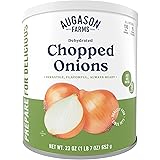
Dehydrated Chopped Onions Emergency Food Supply, 130 Servings, 25 Year Shelf Life, Great for Cooking and Baking - Dehydrated Meals, Survival Food Camping Essentials Can
$13.30 (as of March 18, 2026 19:03 GMT -04:00 - More infoProduct prices and availability are accurate as of the date/time indicated and are subject to change. Any price and availability information displayed on [relevant Amazon Site(s), as applicable] at the time of purchase will apply to the purchase of this product.)