Gas leaks can occur suddenly and without warning, posing significant risks to health and safety. Knowing the proper gas leak emergency procedure is crucial for anyone who may encounter such a situation. A swift and informed response can prevent accidents, injuries, or even fatalities. In this article, we’ll delve into essential steps that form the backbone of a reliable gas leak emergency procedure.
When a gas leak is suspected, understanding your immediate responsibilities is not just a good idea—it’s a necessity. Whether you’re at home, at work, or in a public space, familiarizing yourself with the appropriate gas leak emergency procedure can help ensure safety for everyone involved. Let’s explore these procedures in detail.

Understanding Gas Leak Emergency Procedures
Recognizing what constitutes a gas leak emergency is the first step in an effective response. Gas leaks can be silent and invisible, making them particularly dangerous. Here are some key indicators:
- Strong odor resembling rotten eggs.
- Hissing or whistling sounds near gas lines.
- Dead plants or vegetation near gas lines.
- Physical symptoms such as headaches, dizziness, or nausea.
Once a gas leak is identified, it’s imperative to follow a structured gas leak emergency procedure. This includes:
1. **Evacuate the area immediately**: Ensure all individuals leave the premises and move to a safe distance.
2. **Avoid ignition sources**: Do not turn on lights, operate machinery, or use mobile phones until you are safely away from the affected area.
3. **Notify authorities**: Call your local emergency services or gas company to report the leak.
Understanding these foundational elements equips individuals to act decisively in an emergency.
Immediate Steps to Take in a Gas Leak Emergency
In a gas leak scenario, your immediate actions can save lives. The following steps outline a comprehensive gas leak emergency procedure:
== > What if ... Get a FREE Subscription to PREPARE

Step-by-Step Guide to Responding to a Gas Leak
1. **Identify the leak**: If you suspect a leak, trust your instincts. Look for signs like unusual odors or sounds.
2. **Evacuate the area**: Ensure everyone is outside and at a safe distance from the property.
3. **Contact emergency services**: Call 911 or your local gas utility, providing clear information about the situation.
4. **Do not use electrical devices**: Avoid utilizing any electrical equipment that could create a spark.
5. **Wait for professionals**: Remain at a safe distance until emergency personnel arrive to assess the situation.
Following these steps ensures that you are adhering to the necessary gas leak emergency procedure effectively.
Examples of Effective Responses
Consider the following real-world scenario that illustrates the importance of prompt action:
In a recent incident at a local university, a gas leak was detected late at night. Students residing in the affected dormitory reported a strong odor of gas. Thanks to the swift implementation of the gas leak emergency procedure, students evacuated the building immediately, and the campus safety team was notified. The quick response not only ensured everyone’s safety but also allowed professionals to address the leak efficiently.
This incident underscores the value of training and awareness in emergency situations.
Long-term Safety Measures and Training
While knowing the immediate gas leak emergency procedure is vital, proactive measures can help prevent such emergencies from occurring in the first place. Here are essential long-term strategies:
- **Regular inspections**: Schedule routine checks of gas lines and appliances to ensure they are functioning safely.
- **Training programs**: Conduct regular training sessions for employees and family members on how to recognize and respond to gas leaks.
- **Install gas detectors**: Use high-quality gas detectors that can alert you to leaks before they become critical.
- **Emergency drills**: Regularly practice gas leak response drills to ensure everyone knows what to do in case of an emergency.
Implementing these measures fosters a culture of safety and preparedness, significantly reducing the likelihood of gas leak incidents.
References and Resources
These resources provide valuable information about gas leak emergency procedure. Check them out for additional insights:
Authoritative Sources on gas leak emergency procedure
-
NATURAL GAS EMERGENCY PROCEDURES AND …
www.colorado.eduThis document outlines clear steps to take when detecting a natural gas leak, emphasizing evacuation and alerting authorities.
-
Emergency Action Plans – Natural Gas Leaks
www.hamilton.eduThis resource provides essential emergency action steps specifically tailored for natural gas leaks.
-
Gas Leak | Emergency Management – Duke
prepare.duke.eduThis guide outlines critical steps for responding to gas leaks, ensuring safety and effective communication with emergency services.
-
Natural Gas Leak – Emergency Management
prepare.utk.eduDetailed response strategies for gas leaks, emphasizing immediate evacuation and safety protocols.
-
Gas Leak Response Procedure
www.emcinsurance.comThis technical sheet provides a step-by-step guide for responding to gas leaks in workplace settings.
-
Checklist: What To Do When A Gas Leak Is Known …
www.wisconsinpublicservice.comA practical checklist for first responders addressing gas leaks, focusing on immediate actions.
Get Preparedness and Self-Reliance Tips. Subscribe Now!
-
Report a Gas Emergency
www.nationalgridus.comInstructions for reporting gas emergencies, emphasizing the importance of communication and immediate action.
-
Emergency Procedures and Prevention for Workplace Gas …
www.buygasmonitors.comThis article discusses workplace safety measures, including prevention strategies for gas leaks.
-
How firefighters respond to a natural gas leak incident
www.firerescue1.comAn overview of how professional responders handle gas leaks, emphasizing the importance of proper training and equipment.
Frequently Asked Questions
What is the gas leak emergency procedure?
The gas leak emergency procedure includes immediate steps such as evacuating the area, avoiding ignition sources, and contacting emergency services. This systematic approach is vital for ensuring safety in the event of a gas leak.
How can I prepare for a gas leak emergency?
Preparation involves familiarizing yourself with the gas leak emergency procedure, conducting regular inspections, and ensuring that all family members or employees are trained to respond effectively. Preventative measures, such as installing gas detectors, can also significantly enhance safety.
What should I do if I smell gas?
If you smell gas, immediately evacuate the area and avoid any actions that could cause a spark, like turning on lights or using your phone. Follow the gas leak emergency procedure by notifying authorities as soon as you are in a safe location.
Why is it important to know the gas leak emergency procedure?
Knowing the gas leak emergency procedure is crucial because it can save lives. Quick and informed actions can prevent accidents, minimize damage, and ensure a coordinated response from emergency services.
Conclusion
Understanding the gas leak emergency procedure is essential for anyone exposed to potential gas leaks. By familiarizing yourself with the necessary steps and implementing preventative measures, you not only protect yourself but also those around you.
In summary, swift action during a gas leak emergency can make a significant difference. Equip yourself with knowledge, train effectively, and foster a culture of safety. The next time you smell gas, remember that knowing the right gas leak emergency procedure can save lives.
Get Preparedness and Self-Reliance Tips. Subscribe Now!
Related Content
- Creating an Emergency Business Continuity Plan
- The Top 5 Renewable Energy Sources for Preparedness
- Where can I find reliable emergency communication tools?
- Ultimate Guide To Pet Emergency Kits: Ensuring Your Furry Friend’s Safety
- Essential Wildfire Evacuation Checklist: Safeguard Your Loved Ones and Home

Ready Hour Beans Trio with Rice Kit Bucket (100 Servings) Survival Beans and Rice, Survival Food Storage, Emergency Preparedness Food, Prepper, Easy Prep, 30-Year Shelf Life
$64.95 (as of March 6, 2026 14:08 GMT -05:00 - More infoProduct prices and availability are accurate as of the date/time indicated and are subject to change. Any price and availability information displayed on [relevant Amazon Site(s), as applicable] at the time of purchase will apply to the purchase of this product.)
Sterno 100-Hour Emergency Candles - Long Burning Unscented Candles for Emergencies and Power Outages - Burns Up to 100 Hours - Set of 6 - Clean Burning Liquid Paraffin
$36.99 (as of March 6, 2026 14:08 GMT -05:00 - More infoProduct prices and availability are accurate as of the date/time indicated and are subject to change. Any price and availability information displayed on [relevant Amazon Site(s), as applicable] at the time of purchase will apply to the purchase of this product.)
4Patriots Emergency Entree Food Kit – 128 Tasty Freeze-Dried MRE Survival Meals, 25 Year Shelf Life
$125.95 (as of March 6, 2026 14:08 GMT -05:00 - More infoProduct prices and availability are accurate as of the date/time indicated and are subject to change. Any price and availability information displayed on [relevant Amazon Site(s), as applicable] at the time of purchase will apply to the purchase of this product.)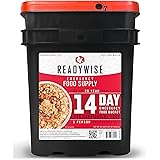
ReadyWise Emergency Food Supply - 14 Day, 150 Servings Emergency Freeze Dried Food Bucket, Protein Meals, Camping Essentials, Survival Kit, Disaster Prepping Supplies, up to 25 Year Shelf Life
$79.99 (as of March 6, 2026 14:08 GMT -05:00 - More infoProduct prices and availability are accurate as of the date/time indicated and are subject to change. Any price and availability information displayed on [relevant Amazon Site(s), as applicable] at the time of purchase will apply to the purchase of this product.)