Every organization, whether large or small, faces unexpected challenges that can disrupt operations. A well-structured disaster response plan template is essential for navigating these unforeseen circumstances. By establishing a clear framework, businesses can respond efficiently and mitigate potential damages. As we delve into the intricacies of crafting a disaster response plan template, you’ll discover how to prepare your organization for various crises, ensuring the safety of your personnel and the continuity of your operations.
Consider this: natural disasters, cyberattacks, or even public health emergencies can occur at any moment. Without a comprehensive disaster response plan template, organizations may struggle to coordinate their efforts effectively, leading to chaos and confusion. This article will guide you through the essential components and steps needed to develop your own disaster response plan template, equipping you with the knowledge to face any challenge head-on.

Understanding the Importance of a Disaster Response Plan Template
Creating a disaster response plan template is not merely a formality; it is a strategic necessity. With the increasing frequency and severity of disasters, organizations must prioritize preparedness. Here are several reasons why having a disaster response plan template is crucial:
- Protection of Employees: Ensuring the safety of your staff is paramount. A disaster response plan provides clear instructions on how to protect personnel during emergencies.
- Business Continuity: A well-prepared organization can quickly resume operations following a disaster, minimizing downtime and financial loss.
- Compliance Requirements: Many industries are mandated to have emergency response plans in place. A disaster response plan template helps meet these regulations.
- Reputation Management: Efficient crisis management can preserve organizational credibility and trust among stakeholders.
Real-World Impacts of Not Having a Plan
Lack of preparedness can have devastating consequences. For instance, a study by the National Oceanic and Atmospheric Administration (NOAA) found that businesses without a disaster response plan were 40% more likely to close after a disaster. This statistic underscores the vital role that a disaster response plan template plays in safeguarding an organization’s future.
Key Components of a Disaster Response Plan Template
To create an effective disaster response plan template, certain elements must be included. Each component plays a pivotal role in ensuring comprehensive preparedness:
== > What if ... Get a FREE Subscription to PREPARE

1. Risk Assessment
Begin your disaster response plan template with a thorough risk assessment. Identify potential threats specific to your organization, ranging from natural disasters to technological failures. Understanding these risks will help in tailoring your plan accordingly.
2. Communication Strategy
A robust communication strategy is essential during a disaster. Ensure your plan includes:
- Emergency contact information for key personnel
- A method for communicating with employees (e.g., text alerts, emails)
- Protocols for communicating with external stakeholders, including customers and vendors
3. Resource Management
Your disaster response plan template should outline how resources such as personnel, equipment, and finances will be allocated during a crisis. This includes:
- Identifying critical resources needed for recovery
- Assigning roles and responsibilities to team members
- Establishing a budget for emergency expenditures
4. Training and Drills
Regular training and simulation drills are vital for ensuring that employees understand their roles in the disaster response plan. Schedule routine exercises to test the effectiveness of your plan and make adjustments as necessary.
Steps to Create Your Disaster Response Plan Template
Creating a disaster response plan template may seem daunting, but breaking it down into manageable steps simplifies the process. Here’s how to get started:
- Gather a Team: Assemble a diverse group of individuals from different departments to contribute their insights and expertise.
- Conduct a Risk Assessment: Analyze potential risks and prioritize them based on likelihood and impact.
- Draft the Plan: Using the key components outlined earlier, draft your disaster response plan template.
- Review and Revise: Obtain feedback from stakeholders and make necessary revisions to ensure clarity and effectiveness.
- Implement and Train: Distribute the plan to all employees and conduct training sessions to familiarize them with the procedures.
- Test and Update: Regularly test the plan through drills and update it as needed to reflect changes in the organization or external environment.
Real-World Examples of Effective Disaster Response Plan Templates
Examining successful implementations of disaster response plan templates can provide valuable insights. Here are two notable examples:
1. The Red Cross
The American Red Cross has a comprehensive disaster response plan template that includes detailed protocols for various scenarios, such as natural disasters and humanitarian crises. Their approach emphasizes community involvement and education, ensuring that individuals are prepared to act in emergencies.
2. FEMA’s Guidelines
The Federal Emergency Management Agency (FEMA) offers resources and templates for organizations to develop their own plans. Their guidelines promote best practices and highlight the importance of collaboration between local, state, and federal agencies in disaster response.
References and Resources
These resources provide valuable information about disaster response plan template. Check them out for additional insights:
Authoritative Sources on disaster response plan template
-
Ready Business
ready.govOffers guidelines and templates for businesses to create their disaster response plans.
Get Preparedness and Self-Reliance Tips. Subscribe Now!
-
FEMA
fema.govProvides extensive resources and examples for disaster preparedness.
-
American Red Cross
redcross.orgFeatures resources for disaster preparedness and response.
-
National Institutes of Health
nih.govResearch and data on public health emergencies that can inform response planning.
-
Centers for Disease Control and Prevention
cdc.govGuidelines for health-related emergencies and crisis management.
-
ISO 22301
iso.orgInternational standard for business continuity management, providing frameworks for disaster response.
-
NI Business Info
nibusinessinfo.co.ukOffers advice on creating a business continuity plan to prepare for disasters.
-
National Institute of Standards and Technology
nist.govProvides guidelines on risk management and response planning.
Frequently Asked Questions
What is a disaster response plan template?
A disaster response plan template is a structured framework that outlines how an organization will respond to various emergencies. It includes risk assessments, communication strategies, and resource management plans to ensure effective action during crises.
Why is a disaster response plan template necessary for businesses?
A disaster response plan template is essential for businesses to safeguard employees, ensure business continuity, and comply with regulatory requirements. It helps organizations manage crises effectively and maintain their reputation.
How often should a disaster response plan template be updated?
Organizations should review and update their disaster response plan template at least once a year or whenever significant changes occur, such as new personnel, changes in operations, or after conducting drills.
Can a disaster response plan template be customized?
Yes, a disaster response plan template should be customized to fit the specific needs and risks of an organization. This personalization ensures that the plan is relevant and actionable during a crisis.
What resources are available to help create a disaster response plan template?
Numerous resources, including government websites, industry associations, and academic institutions, offer templates and guidelines for creating a disaster response plan template. Organizations like FEMA and the Red Cross provide valuable insights and tools for effective planning.
Conclusion
In summary, a comprehensive disaster response plan template is vital for organizations to navigate unforeseen challenges successfully. By understanding its importance, key components, and the steps to create one, businesses can enhance their resilience against various threats. Remember, preparedness is the key to minimizing disruption and ensuring the safety of employees and stakeholders. Take action today and start crafting your disaster response plan template to secure your organization’s future.
Get Preparedness and Self-Reliance Tips. Subscribe Now!
Find out more information about “disaster response plan template”
Search for more resources and information:
Related Content
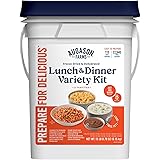
Lunch & Dinner Variety Kit Emergency Food Supply, 113 Servings, 25 Year Shelf Life - Dehydrated Meals, Survival Food Camping Essentials, 4 Gallon Bucket
$81.84 (as of February 11, 2026 04:56 GMT -05:00 - More infoProduct prices and availability are accurate as of the date/time indicated and are subject to change. Any price and availability information displayed on [relevant Amazon Site(s), as applicable] at the time of purchase will apply to the purchase of this product.)
Dehydrated Spinach Flakes Emergency Food Supply, 45 Servings, 25 Year Shelf Life, 15 Calories per Serving - Dehydrated Meals, Survival Food Camping Essentials Can
$14.86 (as of February 11, 2026 04:56 GMT -05:00 - More infoProduct prices and availability are accurate as of the date/time indicated and are subject to change. Any price and availability information displayed on [relevant Amazon Site(s), as applicable] at the time of purchase will apply to the purchase of this product.)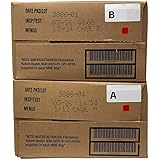
2026 Inspection U.S. Military Surplus MREs A and B Case – 2 Cases of 12 each Meals ready Eat | Genuine Military Rations with Flameless Heaters | Long Shelf-Life Emergency Food Supply
$93.95 (as of February 11, 2026 04:56 GMT -05:00 - More infoProduct prices and availability are accurate as of the date/time indicated and are subject to change. Any price and availability information displayed on [relevant Amazon Site(s), as applicable] at the time of purchase will apply to the purchase of this product.)
4Patriots 4-Week Survival Food Kit: Emergency Food Supply Designed to Last 25 Years, 192 Servings
$247.00 (as of February 11, 2026 04:56 GMT -05:00 - More infoProduct prices and availability are accurate as of the date/time indicated and are subject to change. Any price and availability information displayed on [relevant Amazon Site(s), as applicable] at the time of purchase will apply to the purchase of this product.)