When disaster strikes, every second counts. Whether it’s a natural calamity like a hurricane or an unexpected emergency such as a house fire, having quick disaster response tips at your disposal can mean the difference between chaos and safety. In moments of panic, knowing how to act swiftly can safeguard your family and your home. In this article, we will explore effective strategies, essential preparations, and practical advice that will empower you to respond quickly and efficiently in times of crisis.
Being prepared is crucial. Research indicates that families who have a disaster response plan in place are far more likely to avoid injury and damage during emergencies. These quick disaster response tips will not only help you react promptly but also instill a sense of control in potentially overwhelming situations. So, let’s dive into actionable strategies you can implement today to ensure your loved ones are safe and secure.

Understanding the Importance of Quick Disaster Response Tips
Understanding the significance of quick disaster response tips starts with recognizing the unpredictable nature of disasters. They can occur without warning, and the way you respond can significantly impact the outcome. Here are some key aspects to consider:
- Time Sensitivity: Disasters can escalate quickly. A prompt response can save lives.
- Knowledge is Power: Familiarity with emergency procedures can reduce panic.
- Community Awareness: Understanding local risks helps tailor your response strategies.
Moreover, awareness of these strategies empowers families to prepare for various scenarios. Consider it as equipping yourself with tools that will serve you when you need them the most. By investing time in understanding these quick disaster response tips, you are laying the groundwork for safety and resilience.
Essential Quick Disaster Response Tips for Your Family
1. Establish a Communication Plan
When disaster strikes, communication can become chaotic. Establishing a clear communication strategy is paramount. Here’s how to set one up:
- Designate an out-of-town contact person for family members to reach.
- Ensure all family members know how to contact each other.
- Use group messaging apps for instant updates.
== > What if ... Get a FREE Subscription to PREPARE

2. Conduct Regular Drills
Practicing your response to different disaster scenarios can significantly improve your family’s readiness. Schedule regular drills for fires, earthquakes, or other relevant disasters:
- Simulate escape routes from your home and community.
- Review safety protocols for various emergencies.
- Encourage feedback and adjust plans as needed.
Incorporating these quick disaster response tips into your family routine will ensure everyone feels confident and prepared when it matters most.
Quick Disaster Response Tips for Home Safety
1. Secure Your Home
Home safety is a critical component of disaster preparedness. Here are straightforward actions to enhance your home’s safety:
- Install smoke detectors and check batteries regularly.
- Secure heavy furniture to walls to prevent tipping during earthquakes.
- Keep a fire extinguisher accessible in key areas.
2. Create an Emergency Kit
An emergency kit is a must-have for every household. Here’s what to include:
- Non-perishable food and water (at least a three-day supply).
- First-aid supplies and necessary medications.
- Flashlights and batteries.
- Important documents stored in a waterproof bag.
These quick disaster response tips can significantly enhance your home’s resilience against various emergencies.
Creating Your Disaster Response Plan
A well-structured disaster response plan brings clarity and order during emergencies. Here’s a step-by-step guide to create your own:
1. Assess Risks
Identify potential disasters based on your location, such as floods, wildfires, or tornadoes. Understanding these risks will help tailor your response plan effectively.
2. Develop an Action Plan
Your action plan should outline specific responses for different emergencies. For example:
- For a fire: evacuate immediately, call 911, and meet at a predetermined location.
- For an earthquake: drop, cover, and hold on until the shaking stops.
3. Review and Revise
Regularly revisit and update your disaster response plan to ensure its effectiveness. Engage the entire family in discussions to keep everyone informed and involved.
Implementing these quick disaster response tips will help you create a comprehensive response plan that can be executed seamlessly in a crisis.
References and Resources
These resources provide valuable information about quick disaster response tips. Check them out for additional insights:
Get Preparedness and Self-Reliance Tips. Subscribe Now!
Authoritative Sources on quick disaster response tips
-
Ready.gov
ready.govA comprehensive resource from the Department of Homeland Security that provides essential tips for disaster preparedness.
-
American Red Cross
redcross.orgOffers disaster preparedness tips and resources to help families stay safe during emergencies.
-
FEMA
fema.govFederal Emergency Management Agency provides guidelines and resources for disaster response planning.
-
National Fire Protection Association
nfpa.orgA trusted source for fire safety tips and guidelines to prevent fire-related disasters.
-
CDC Disaster Preparedness
cdc.govThe Centers for Disease Control and Prevention offers health-related disaster response tips.
-
National Weather Service
weather.govProvides real-time weather alerts and information to help prepare for weather-related disasters.
-
American Public Health Association
apha.orgA resource for public health considerations during disasters and emergencies.
-
Safe Kids Worldwide
safekids.orgFocuses on child safety during disasters, offering specialized tips for families with children.
Frequently Asked Questions
What are quick disaster response tips for families?
Quick disaster response tips for families include establishing a communication plan, conducting regular emergency drills, and creating a comprehensive emergency kit. These strategies ensure everyone knows how to react in case of an emergency.
How can I prepare my home for disasters?
To prepare your home for disasters, secure heavy furniture, install smoke detectors, and keep an emergency kit on hand. Regularly review safety protocols and conduct drills to ensure everyone is familiar with emergency procedures.
Why are quick disaster response tips important?
Quick disaster response tips are vital because they help individuals and families act swiftly and effectively during emergencies, minimizing panic and injury. Understanding these tips can significantly enhance safety and preparedness.
What should I include in my emergency kit?
Your emergency kit should include non-perishable food, water, first-aid supplies, medications, flashlights, batteries, and important documents. Regularly check and update your kit to ensure all items are functional and within their expiration dates.
Conclusion
In summary, mastering quick disaster response tips can elevate your family’s safety and preparedness in the face of unforeseen emergencies. By establishing a comprehensive plan, securing your home, and regularly practicing these strategies, you can significantly reduce risks. Remember, the goal is not just to survive a disaster but to emerge resilient. Take the time to implement these practical tips today, and empower your family to face any challenge that may come your way.
Ultimately, being proactive and informed will arm you with the tools necessary to act decisively. Don’t wait for a disaster to strike—start preparing now with these quick disaster response tips and ensure your family is safe and ready for whatever life throws at you.
Get Preparedness and Self-Reliance Tips. Subscribe Now!
Find out more information about “quick disaster response tips”
Search for more resources and information:
Related Content

Sterno 100-Hour Emergency Candles - Long Burning Unscented Candles for Emergencies and Power Outages - Burns Up to 100 Hours - Set of 6 - Clean Burning Liquid Paraffin
$36.99 (as of February 7, 2026 04:08 GMT -05:00 - More infoProduct prices and availability are accurate as of the date/time indicated and are subject to change. Any price and availability information displayed on [relevant Amazon Site(s), as applicable] at the time of purchase will apply to the purchase of this product.)
Augason Farms Dehydrated Apple Slices Can - Gluten Free Survival Food with Long Shelf Life - Emergency Food Supply for Camping, Prep & Everyday Meals - 20 Servings
$14.58 (as of February 7, 2026 04:08 GMT -05:00 - More infoProduct prices and availability are accurate as of the date/time indicated and are subject to change. Any price and availability information displayed on [relevant Amazon Site(s), as applicable] at the time of purchase will apply to the purchase of this product.)
Country Fresh Instant Nonfat Dry Milk Powder, 39 Servings, 20 Year Shelf Life, Gluten Free - Canned Vitamin-Fortified Nonfat Milk Powder for Baking and Emergency Food Supplies
$13.00 (as of February 7, 2026 04:08 GMT -05:00 - More infoProduct prices and availability are accurate as of the date/time indicated and are subject to change. Any price and availability information displayed on [relevant Amazon Site(s), as applicable] at the time of purchase will apply to the purchase of this product.)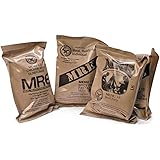
MRE Meals Ready to Eat, Emergency Food Supply, Survival Camping Outdoor 12 Pack Inspection 2025, 2026 (4 Meals (Random), 4 Count)
$33.99 (as of February 7, 2026 04:08 GMT -05:00 - More infoProduct prices and availability are accurate as of the date/time indicated and are subject to change. Any price and availability information displayed on [relevant Amazon Site(s), as applicable] at the time of purchase will apply to the purchase of this product.)